Federal Reserve Chair Kevin Warsh Faces Senate Scrutiny Over Economic Outlook
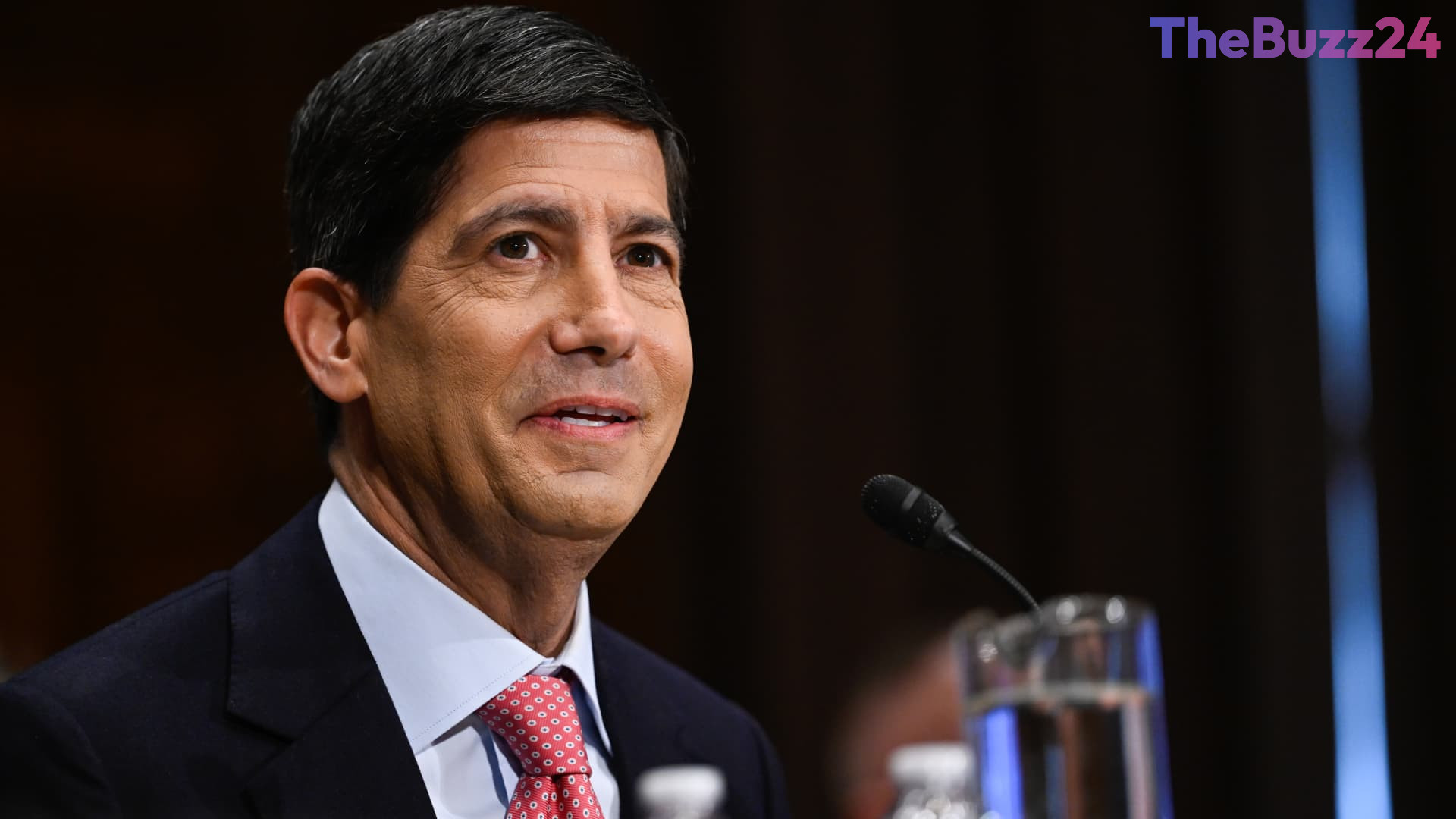
Federal Reserve Chairman Kevin Warsh appeared before the Senate Banking Committee on Wednesday to address pressing concerns regarding the current state of the national economy. The hearing, which serves as a key component of the central bank’s congressionally mandated oversight process, focused heavily on the potential trajectory of interest rates and the broader inflationary environment.
This appearance followed a similar testimony provided by Warsh to the House Financial Services Committee just one day prior. During both sessions, the Chairman maintained a consistent stance, emphasizing the Federal Reserve’s unwavering commitment to curbing inflation. Despite persistent questioning from lawmakers regarding specific monetary policy shifts, Warsh remained cautious, offering limited insight into future rate adjustments.
Throughout the proceedings, members of the Senate attempted to draw the Chairman into discussions concerning fiscal policy and broader political debates. Warsh successfully navigated these inquiries by maintaining a neutral position, repeatedly stressing that the Federal Reserve must remain insulated from political pressure to effectively fulfill its core mandate of price stability and maximum employment.
Key Takeaways
- Federal Reserve Chairman Kevin Warsh testified before the Senate Banking Committee regarding the current economic climate and interest rate policy.
- Warsh reaffirmed the central bank's primary focus on combating inflation while remaining tight-lipped on specific future monetary policy moves.
- The Chairman successfully deflected attempts by legislators to involve the Federal Reserve in fiscal and political debates, prioritizing the institution's independence.
Editor’s Analysis & Impact
The testimony of Kevin Warsh highlights the delicate balancing act currently facing the Federal Reserve. By maintaining a firm stance on inflation while avoiding political entanglements, the Fed is attempting to preserve its institutional credibility during a period of significant economic uncertainty. The market’s reaction to these hearings suggests a high level of sensitivity to any signals regarding interest rate pivots. Looking ahead, the Fed’s ability to remain data-dependent rather than politically reactive will be the primary driver of market stability. Investors should expect continued volatility as the central bank navigates the ‘higher for longer’ interest rate environment, with the broader implication being that the Fed will prioritize long-term price stability over short-term political or market pressures, potentially leading to a more restrictive monetary policy than some market participants currently anticipate.
Frequently Asked Questions
Q: Why does the Federal Reserve Chairman testify before Congress?
A: The Chairman is required to testify before the Senate Banking Committee and the House Financial Services Committee as part of a congressionally mandated oversight process to ensure transparency and accountability regarding the Fed's monetary policy.
Q: Did Kevin Warsh provide specific details on future interest rate changes?
A: No, Warsh largely avoided providing specific clues about the direction of monetary policy, choosing instead to emphasize the Fed's ongoing commitment to fighting inflation.
AI Disclosure: This article is based on verified data and official reports. Our Team and AI have cross-referenced every financial detail with primary sources to ensure total accuracy.
More from this Category