Google Powers Up Nation’s Largest Solar and Battery Storage Project Amidst Industry’s Energy Divide
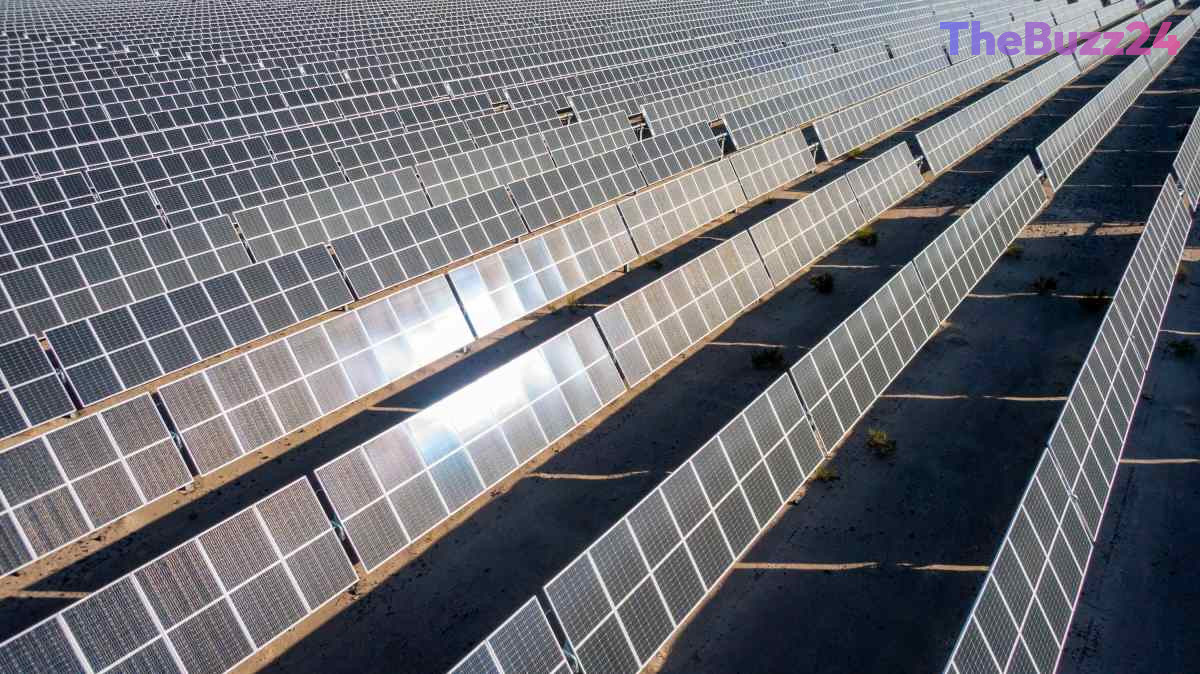
Google has announced its most substantial investment yet in solar power and battery storage, a massive undertaking in Arkansas set to become the largest solar facility in the United States upon its full completion. The initial two phases of the project, known as the Steel River Energy Center, are designed to generate enough electricity to meet approximately 6% of Arkansas’s peak demand. This clean energy will directly feed into the grid, effectively offsetting the significant energy needs of Google’s extensive data center operations.
Collaborating with developer Cypress Creek Energy, Google is not only investing in the Steel River Energy Center but also purchasing the entire output of its first two phases. This commitment adds a substantial 1 gigawatt of solar capacity and 1.9 gigawatt-hours of battery storage to Google’s clean energy portfolio. The project’s innovative design, pairing solar panels with large-scale batteries, ensures continuous power supply to the grid. With the third and final phase slated for grid connection in 2029, the facility’s total capacity will reach an impressive 1.8 gigawatts of solar and 2.9 gigawatt-hours of battery storage, bolstering Google’s ambitious goal of matching its electricity consumption with clean power on an hourly basis.
This monumental clean energy initiative by Google stands in stark contrast to the energy strategy employed by xAI, Elon Musk’s artificial intelligence venture. Located approximately 40 miles south of the Steel River Energy Center, xAI operates a natural gas power plant that has been running without the necessary federal clean air permits. Despite leading Tesla, a company renowned for its solar panels and grid-scale batteries, Musk has heavily invested in natural gas to fuel xAI’s Colossus data centers. Reports indicate that nearly 60 natural gas turbines are operating without proper authorization, with pollution from xAI’s Mississippi facility impacting predominantly Black neighborhoods. Musk’s recent acquisition of APR Energy, a specialist in modular natural gas power plants, suggests a continued reliance on this energy source.
While Google has previously engaged in a natural gas project with Crusoe in West Texas, that venture remains an outlier in its predominantly clean energy expansion strategy. The rapid deployment potential demonstrated by projects like Steel River, which can bring nearly 2 gigawatts of solar capacity online within three years, reinforces the likelihood of Google continuing its significant investments in renewable energy and battery storage solutions.
Key Takeaways
- Google is developing the Steel River Energy Center in Arkansas, which will become the largest solar and battery storage facility in the U.S. with 1.8 GW solar and 2.9 GWh battery capacity.
- The project aims to directly power Google's data centers and contribute to the grid, supporting the company's goal of matching its electricity use with clean power on an hourly basis.
- This initiative highlights a significant divergence from xAI's energy strategy, which relies on an unpermitted natural gas power plant for its data centers, raising environmental and regulatory concerns.
Editor’s Analysis & Impact
This news underscores a critical divergence in energy strategy among leading tech companies, particularly concerning the power demands of AI and data centers. Google’s massive investment in the Steel River Energy Center sets a precedent for large-scale renewable integration, potentially influencing other hyperscalers to accelerate their clean energy transitions. This move could drive innovation in hybrid power solutions and strengthen the market for utility-scale battery storage.
Conversely, xAI’s reliance on unpermitted natural gas plants, despite Elon Musk’s ties to Tesla’s clean energy ventures, presents a significant reputational and regulatory risk. This contrast highlights the tension between rapid infrastructure deployment and long-term environmental sustainability. The broader implication is a likely increase in scrutiny on data center energy sourcing, potentially leading to stricter environmental regulations and a stronger push for green data center certifications across the industry.
Frequently Asked Questions
Q: What is the Steel River Energy Center?
A: The Steel River Energy Center is Google's largest solar power and battery storage project to date, located in Arkansas. Upon full completion, it is projected to be the largest solar facility in the United States, providing clean energy to the grid and Google's data centers.
Q: How does xAI's energy strategy compare to Google's?
A: xAI, Elon Musk's AI venture, primarily powers its data centers using natural gas power plants, some of which operate without federal clean air permits. This contrasts sharply with Google's substantial investment in large-scale renewable energy projects like the Steel River Energy Center, aimed at achieving hourly clean power matching.
Q: What is Google's long-term goal with projects like the Steel River Energy Center?
A: Google aims to match its electricity consumption with clean power on an hourly basis, a stringent measure that encourages the development and deployment of more hybrid renewable power plants. This project is a significant step towards achieving that ambitious sustainability goal.
AI Disclosure: This article is based on verified data and official reports. Our Team and AI have cross-referenced every financial detail with primary sources to ensure total accuracy.
More from this Category