Jay Clayton Faces Intense Senate Scrutiny During Intelligence Director Confirmation Hearing
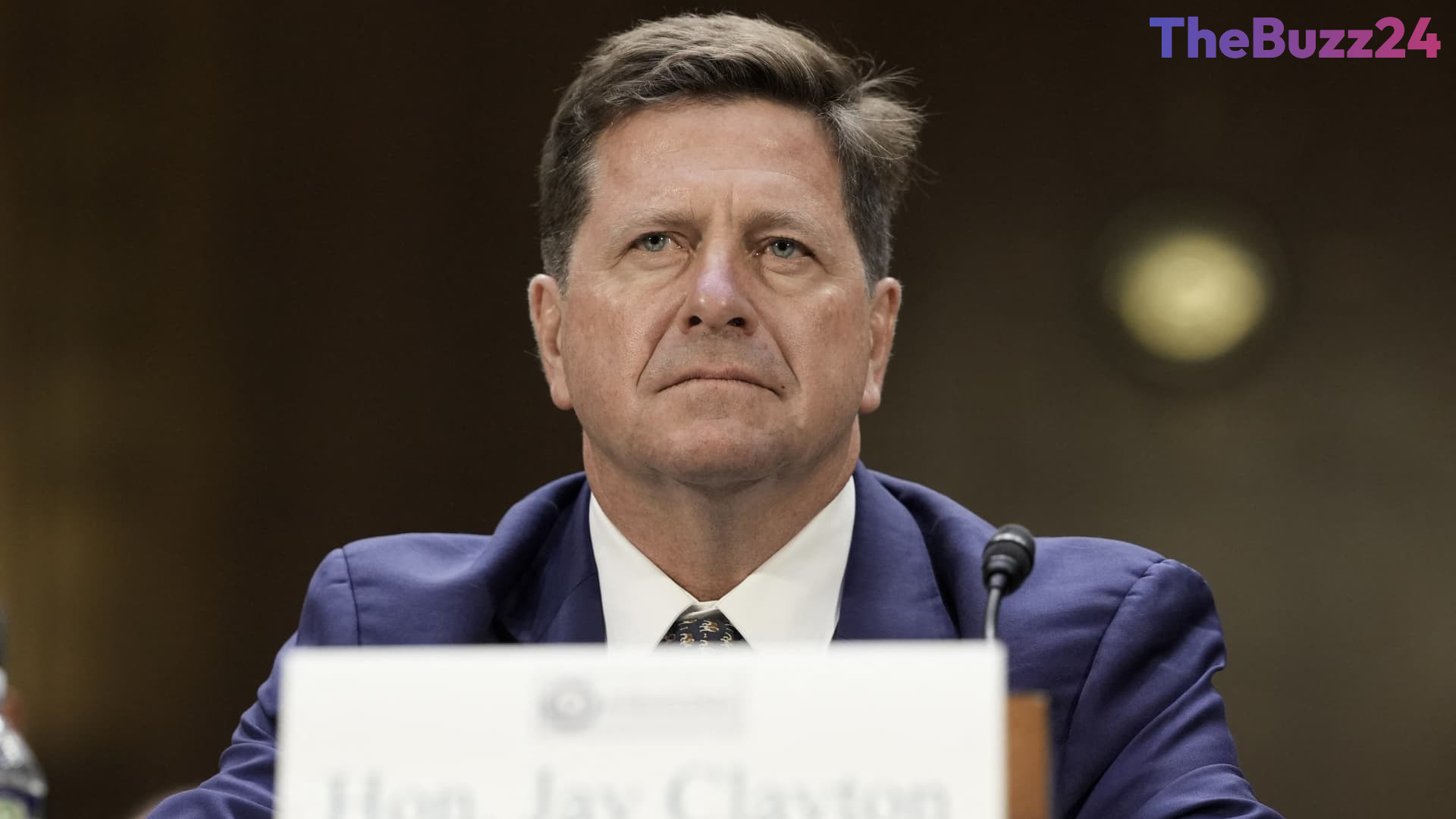
Jay Clayton, the nominee for Director of National Intelligence, faced a rigorous and contentious confirmation hearing before the Senate Select Committee on Intelligence this week. The session, which followed a period of significant political turbulence surrounding his nomination, saw Clayton pressed on his views regarding election integrity, his past professional conduct, and his stance on the 2020 presidential election results.
During the proceedings, Clayton declined to explicitly state that Joe Biden won the 2020 election, opting instead to describe himself as someone who acknowledges the certification of the results while stopping short of affirming the outcome in the manner requested by Democratic senators. This response, coupled with his previous public comments questioning the audit trails and integrity of American voting processes, drew sharp rebukes from committee members who labeled his testimony as lacking credibility.
Beyond election rhetoric, the hearing delved into Clayton’s tenure as a U.S. attorney, specifically regarding his decision to subpoena New York Times journalists. Senators questioned the appropriateness of these legal actions, which were linked to reporting on security concerns involving a gifted aircraft. Clayton defended the procedures as protective of both federal law and First Amendment rights, though he remained unable to discuss the specifics of the ongoing investigation.
The nomination process has been further complicated by the broader political climate, including the recent interim leadership of the intelligence community and the expiration of key foreign surveillance authorities. As the committee prepares for a vote on his confirmation, Clayton’s ability to navigate these partisan tensions remains a focal point for lawmakers concerned about the independence and stability of the nation’s intelligence apparatus.
Key Takeaways
- Jay Clayton refused to directly confirm the 2020 election outcome, instead citing the official certification process.
- Democratic senators challenged Clayton over his past comments questioning the integrity of U.S. election audit trails.
- The nominee faced intense questioning regarding his decision to subpoena journalists, raising concerns about press freedom and government overreach.
Editor’s Analysis & Impact
The confirmation hearing for Jay Clayton highlights the deepening politicization of the U.S. intelligence community. By refusing to provide definitive answers on the 2020 election, Clayton has signaled a potential alignment with the current administration’s skepticism toward institutional norms, which could lead to significant friction between the Office of the Director of National Intelligence (ODNI) and career intelligence professionals. The focus on his past legal actions against journalists suggests that, if confirmed, his tenure may be marked by a more aggressive stance on leaks and media relations. The broader implication is a shift toward a more partisan intelligence oversight model, which risks undermining public trust in the non-partisan nature of the intelligence community and could complicate international intelligence-sharing agreements that rely on the perceived stability and objectivity of U.S. agencies.
Frequently Asked Questions
Q: What is the role of the Director of National Intelligence?
A: The Director of National Intelligence serves as the head of the U.S. Intelligence Community, overseeing 18 intelligence agencies and acting as the principal intelligence advisor to the President.
Q: Why was Clayton's confirmation hearing delayed?
A: The hearing was initially delayed after the President directed Clayton not to appear, reportedly due to disagreements over legislative priorities, including demands to attach specific election-related requirements to foreign surveillance law renewals.
AI Disclosure: This article is based on verified data and official reports. Our Team and AI have cross-referenced every financial detail with primary sources to ensure total accuracy.
More from this Category