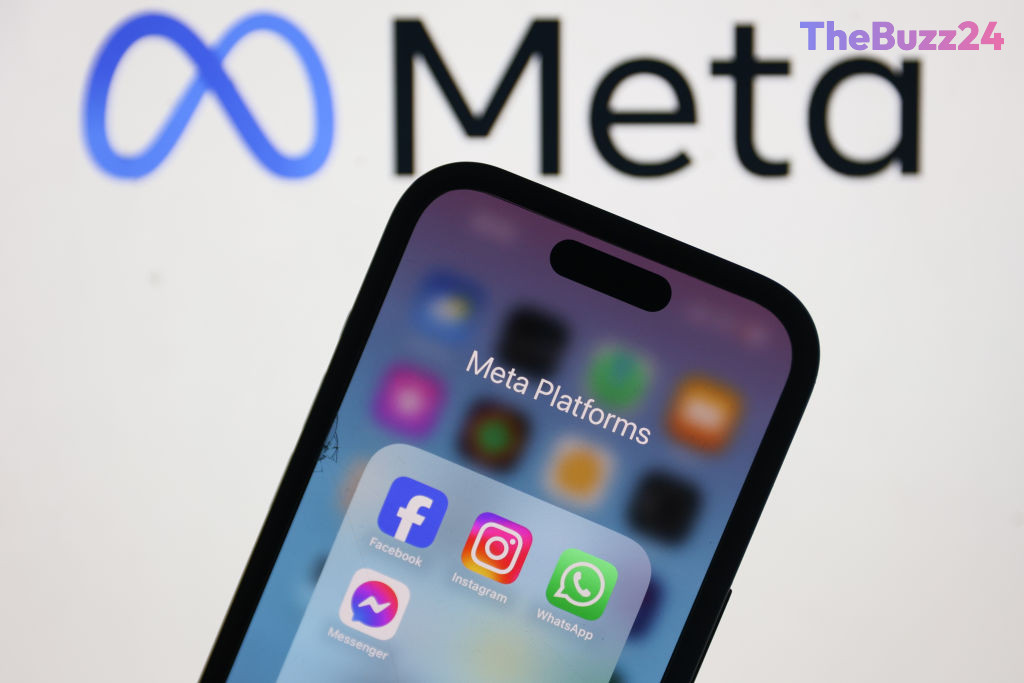
Meta to Alert Parents If Teens Discuss Self-Harm or Suicide with AI Chatbot
Social media giant Meta has introduced a new safety feature designed to protect younger users interacting with its artificial intelligence. Under the new protocol, parents will receive direct notifications if their teenagers discuss suicide or self-harm with the Meta AI chatbot. This move comes amid growing global scrutiny over how tech companies manage the mental health risks associated with conversational AI, particularly concerning vulnerable youth.
To implement this, Meta has deployed a specialized AI detection system trained to identify self-harm references. To minimize false alarms while prioritizing safety, flagged conversations will undergo manual human review before any parental alert is dispatched. The company acknowledged that while some alerts might be sent out of an abundance of caution, the proactive approach is necessary. The feature is currently active for users of Instagram Parental Supervision in the United States, United Kingdom, Australia, and Canada, with a global rollout planned by the end of the year.
In addition to parental alerts, Meta is expanding its “Limited Content” settings to its AI chatbot. This setting, which already restricts sensitive content on Instagram, will now force Meta AI to decline a wider array of inappropriate prompts, building on existing blocks against sexual, romantic, or alcohol-related discussions. Furthermore, the company is developing capabilities to contact emergency services directly if a chatbot conversation—whether with a teen or an adult—indicates an imminent threat of self-harm, mirroring safety measures already used on Facebook and Instagram feeds.
Key Takeaways
- Meta will notify parents via Instagram Parental Supervision if their teenager discusses self-harm or suicide with Meta AI.
- Flagged conversations will be manually reviewed by humans to verify intent before alerts are sent to parents.
- The safety update is currently live in the US, UK, Canada, and Australia, with a global rollout scheduled for late 2024.
Editor’s Analysis & Impact
The integration of generative AI into mainstream social platforms has opened a new frontier of liability for tech giants. Meta’s latest safety measures highlight the industry’s urgent need to address the psychological impact of AI companions on teenagers. By implementing human-in-the-loop verification for self-harm flags, Meta attempts to balance user privacy with critical safety interventions. However, this move also highlights a broader shift: AI developers can no longer treat chatbots as neutral tools. As regulatory pressure mounts globally, we expect to see competitors like OpenAI and Google implement similar proactive safety nets. Ultimately, these features represent a transition toward highly regulated, restricted AI experiences for minors, signaling that the era of unfettered chatbot interactions is rapidly drawing to a close.
Frequently Asked Questions
Q: How does Meta detect if a teen is discussing self-harm with the AI?
A: Meta uses a dedicated AI system trained to identify specific language and references to self-harm. To ensure accuracy, flagged chats are manually reviewed by human moderators before an alert is sent to parents.
Q: Where is this new parental alert feature currently available?
A: The feature is currently live for parents using Instagram Parental Supervision in the United States, United Kingdom, Australia, and Canada, with plans to expand globally by the end of the year.
Q: What other safety restrictions are being applied to Meta AI?
A: Meta has extended its 'Limited Content' setting to Meta AI, which restricts the chatbot from engaging in a wider range of sensitive topics. The AI is also programmed to decline discussions involving sexual, romantic, or alcohol-related themes with teenagers.
AI Disclosure: This article is based on verified data and official reports. Our Team and AI have cross-referenced every financial detail with primary sources to ensure total accuracy.
More from this Category