Lululemon Joins $30M Funding Round for Nylon-Recycling Innovator Syntetica
Activewear giant Lululemon has taken a significant step toward supply chain sustainability by participating in a $30 million Series A funding round for Syntetica, a French startup specializing in advanced nylon recycling. The company has developed a proprietary method to process Nylon 6 and Nylon 6,6, two materials that have historically been difficult to separate and recycle from consumer textile waste. By converting these materials into reusable pellets, Syntetica aims to provide a scalable, cost-competitive alternative to virgin, petroleum-based nylon.
The fashion industry has faced increasing pressure to address the massive volume of clothing ending up in landfills, driven by both consumer demand for sustainability and regulatory shifts. Recent volatility in the oil market has further highlighted the risks of relying on traditional synthetic materials, prompting brands to seek more stable, circular supply chains. Syntetica’s approach focuses on pragmatic industrial partnerships, working alongside major apparel manufacturers like MAS Holdings and retail brands including Victoria’s Secret and Etam to ensure their recycled output can be seamlessly integrated into existing production lines.
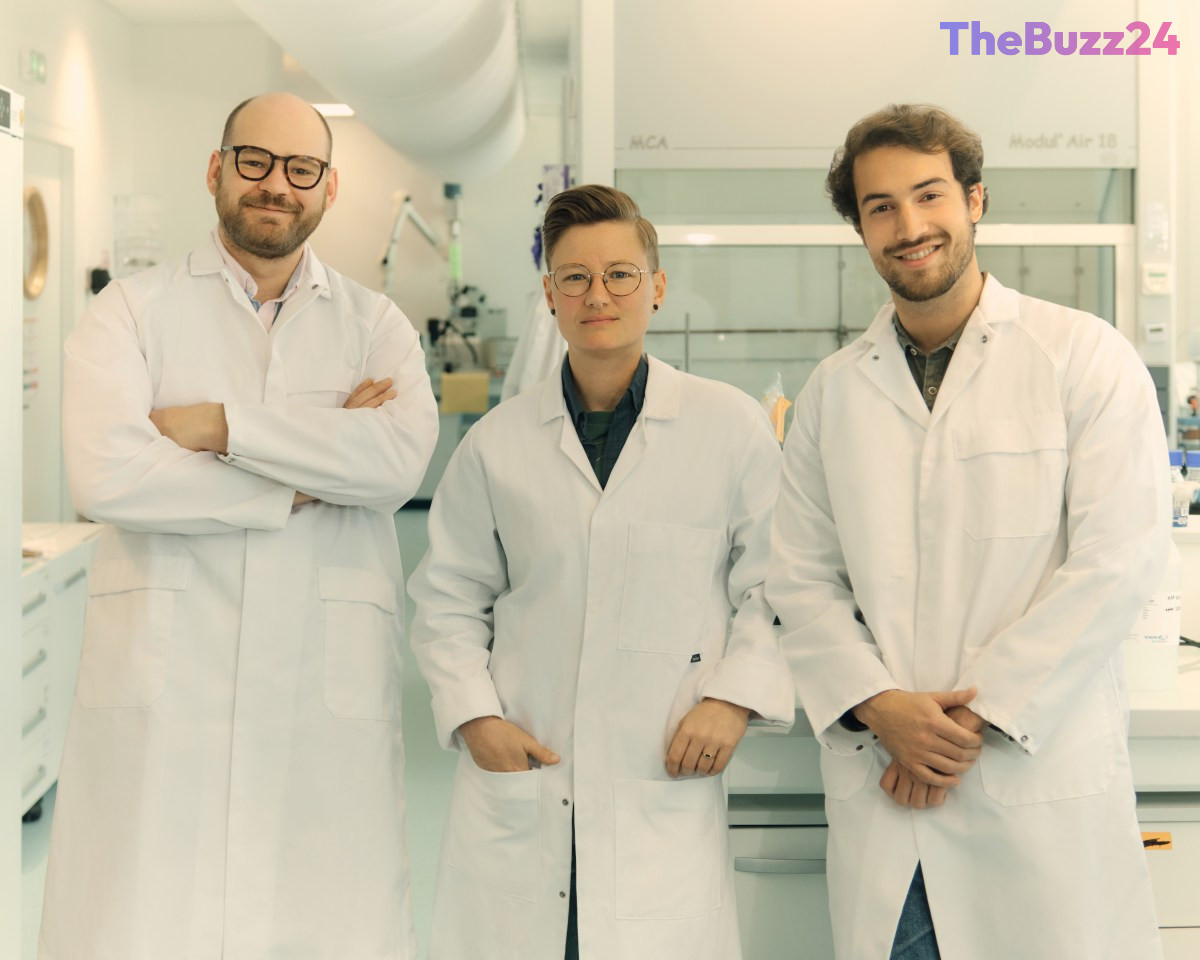
Syntetica’s leadership team, led by CEO Marco Bertone and researcher Louis Monsigny, has prioritized a focused growth strategy. Rather than attempting to manufacture textiles directly, the company is concentrating on the production of high-quality recycled pellets. This model is supported by a strategic partnership with Michelin’s Center for Sustainable Materials, which is helping the startup establish a commercial demonstration facility in France. With the new capital, the company plans to scale its production capacity to hundreds of tons annually, with long-term goals of establishing localized facilities near major waste sources and textile manufacturing hubs globally.
This investment aligns with Lululemon’s broader strategy of backing circular economy technologies, having previously supported other ventures like Samsara Eco and Epoch Biodesign. Supported by both private investors and public backing from entities like Bpifrance and the European Innovation Council, Syntetica is positioning itself as a key player in the effort to reduce the fashion industry’s dependence on fossil fuels while proving that sustainable material innovation can be commercially viable at scale.
Key Takeaways
- Lululemon invested in Syntetica’s $30 million Series A round to advance circularity in nylon production.
- Syntetica’s technology enables the recycling of Nylon 6 and 6,6, which are notoriously difficult to separate in textile waste.
- The startup plans to use the funding to scale production of recycled pellets, aiming to provide a cost-competitive alternative to petroleum-based synthetics.
Editor’s Analysis & Impact
The investment in Syntetica underscores a pivotal shift in the apparel industry: the transition from ‘green marketing’ to ‘green infrastructure.’ By backing a company that focuses on the chemical-industrial process of recycling rather than just consumer-facing products, Lululemon is attempting to secure its supply chain against the price volatility of fossil-fuel-derived materials. The broader implication is that the fashion industry is finally treating textile waste as a resource rather than a liability. If Syntetica succeeds in scaling its pellet production, it could set a new standard for material sourcing, forcing competitors to adopt similar circular models to remain cost-competitive. The involvement of industrial partners like Michelin and MAS Holdings suggests that the industry is moving toward a more integrated, collaborative approach to solving the global textile waste crisis.
Frequently Asked Questions
Q: What makes Syntetica's recycling process unique?
A: Syntetica has developed a method to effectively separate and recycle Nylon 6 and Nylon 6,6, two types of nylon that are typically difficult to distinguish and process from mixed textile waste.
Q: Does Syntetica manufacture clothing directly?
A: No, Syntetica does not produce textiles or clothing. Instead, they produce recycled nylon pellets that are sold to manufacturers to be spun into yarn for apparel brands.
AI Disclosure: This article is based on verified data and official reports. Our Team and AI have cross-referenced every financial detail with primary sources to ensure total accuracy.
More from this Category