Canadian Wildfires Send Thick Orange Haze Across Ontario and Northern United States
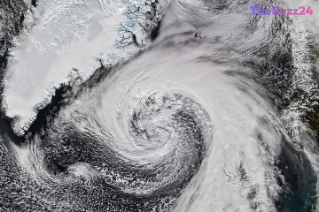
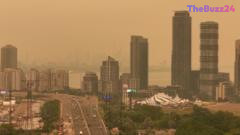
A massive blanket of smoke and a distinct orange haze have settled over parts of Ontario and the northern United States as hundreds of active wildfires continue to burn across Canada. The atmospheric disruption has prompted air quality concerns in affected regions, drawing visual comparisons to previous severe fire seasons.
Current environmental monitoring reports indicate that there are over 800 active wildfires burning across Canada. The vast scale of these blazes has generated massive plumes of smoke, which have been carried southward and eastward by prevailing wind patterns, casting an eerie glow over major metropolitan areas and rural communities alike.
Despite the dramatic visual impact, meteorological experts and environmental officials suggest that the current smoke levels are not expected to reach the extreme severity observed in 2023. During last year’s historic fire season, intense smoke originating from Quebec blanketed the U.S. East Coast, leading to unprecedented air quality alerts and grounding flights.
Local authorities are advising residents, particularly those with respiratory conditions, children, and the elderly, to monitor local air quality indexes and limit strenuous outdoor activities. Firefighting crews across Canada remain heavily engaged in containment efforts as seasonal weather patterns continue to influence the spread of the blazes.
Key Takeaways
- Over 800 active wildfires across Canada are generating significant smoke, creating an orange haze in Ontario and the northern U.S.
- Current projections suggest the air quality impact will be less severe than the historic wildfire smoke event of 2023.
- Health officials are urging vulnerable populations in affected areas to monitor air quality and limit outdoor exposure.
Editor’s Analysis & Impact
The recurrence of widespread wildfire smoke crossing international borders highlights the growing transboundary challenges of climate-induced weather events. While this year’s smoke is currently projected to be less severe than the disruptive events of 2023, the persistent threat of over 800 active fires underscores a systemic shift toward longer and more intense fire seasons in North America. For industries such as tourism, outdoor recreation, and aviation, these seasonal disruptions are transitioning from anomalies to predictable operational risks. Furthermore, the public health implications of chronic smoke exposure will likely drive stricter air quality regulations and increase demand for residential air filtration systems. Governments will need to enhance cross-border ecological cooperation and invest heavily in proactive forest management to mitigate the long-term economic and environmental toll of these annual crises.
Frequently Asked Questions
Q: Why is the sky turning orange in Ontario and the northern U.S.?
A: The orange haze is caused by tiny smoke particles from Canadian wildfires drifting through the atmosphere. These particles scatter shorter wavelengths of light (like blue and green) while allowing longer wavelengths (like red and orange) to pass through, creating a distinct colored glow.
Q: Is the current wildfire smoke as dangerous as the smoke in 2023?
A: While the smoke is causing noticeable haze and localized air quality drops, officials expect the overall impact to be less severe than the historic 2023 season, which heavily impacted the U.S. East Coast. However, vulnerable individuals should still take precautions.
Q: How many active wildfires are currently burning in Canada?
A: There are currently more than 800 active wildfires burning across various provinces in Canada, driven by seasonal dry conditions and lightning strikes.
AI Disclosure: This article is based on verified data and official reports. Our Team and AI have cross-referenced every financial detail with primary sources to ensure total accuracy.
More from this Category