The Top U.S. States for Workforce Development and Talent Attraction in 2026
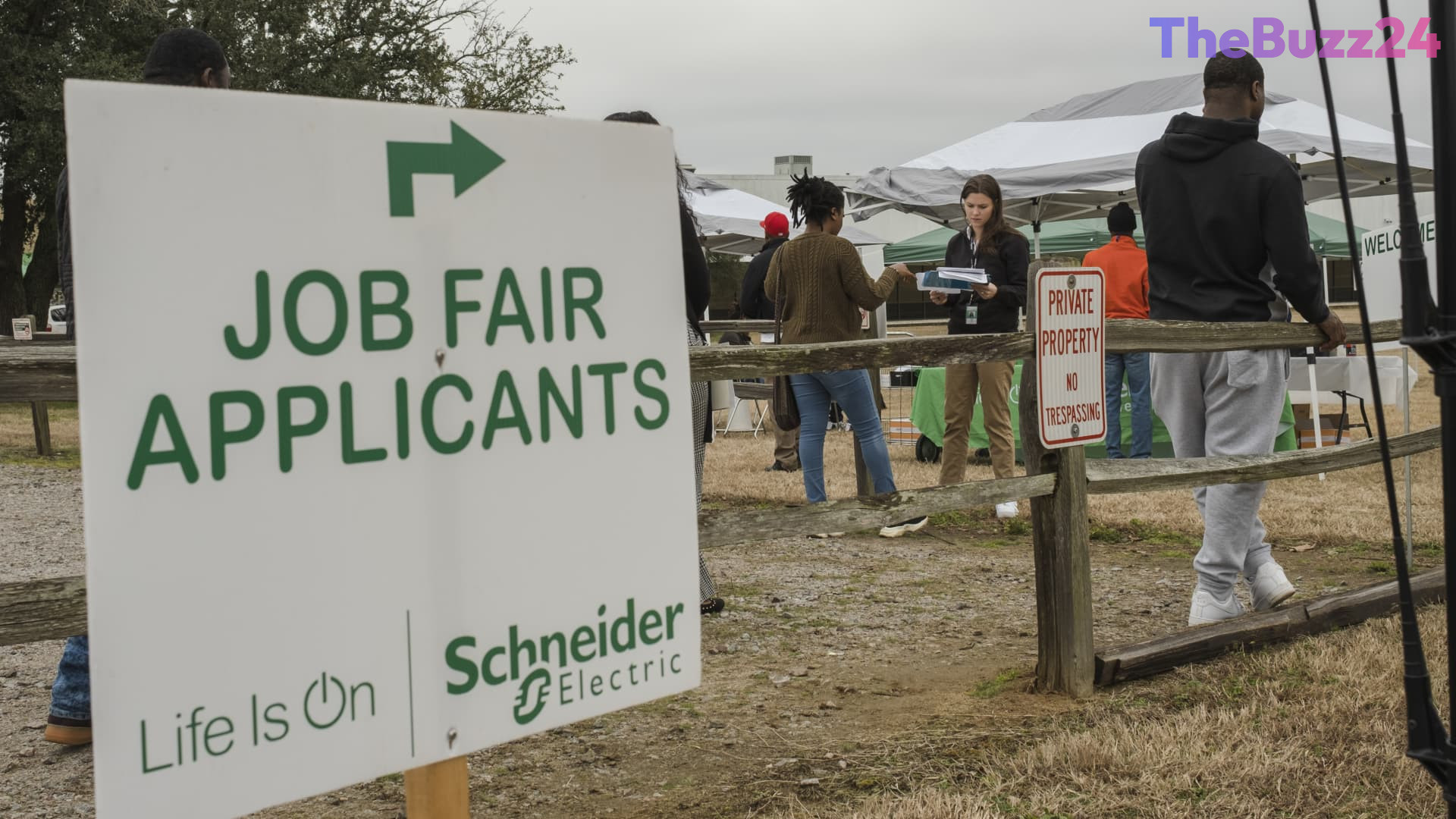
As the national labor market stabilizes following the post-pandemic volatility, businesses are increasingly prioritizing access to skilled talent as their primary site-selection criterion. While automation and artificial intelligence have helped bridge some productivity gaps, companies continue to seek regions that offer a robust pipeline of educated, career-ready employees. In 2026, the competition among states to attract and retain this workforce has intensified, with economic development strategies shifting toward specialized training and migration incentives.
Texas currently leads the nation in workforce competitiveness, bolstered by a massive influx of talent and a strong emphasis on vocational and career education. The state maintains a healthy balance between labor supply and demand, supported by significant state-level investments in community college training programs. Following closely, Florida has emerged as a top destination for college-educated professionals, leveraging aggressive workforce education goals and high-performing apprenticeship systems to secure its position as a leader in human capital development.
Other states, such as North Carolina, Arizona, and Utah, are also making significant strides by focusing on STEM concentration and long-term educational attainment targets. These states are increasingly utilizing data-driven initiatives to align their educational pipelines with the specific needs of high-growth industries. By prioritizing net migration of skilled workers and fostering partnerships between academic institutions and private employers, these states are positioning themselves as the most attractive hubs for businesses looking to scale operations in an evolving economic landscape.
Key Takeaways
- Texas ranks as the top state for workforce development in 2026, driven by high talent attraction and a strong pipeline of career and vocational graduates.
- Florida leads the nation in the net migration of college-educated adults, supported by state-led initiatives to increase workforce certification and employability.
- Companies are prioritizing regions that offer a mix of STEM talent and specialized, industry-recognized credentials to address ongoing skills gaps.
Editor’s Analysis & Impact
The 2026 workforce landscape highlights a clear pivot from general labor availability to specialized, high-value skill sets. As businesses face pressure to maintain speed-to-market, the ability of a state to provide a ‘turnkey’ workforce—one that is already trained and ready for immediate deployment—has become a decisive competitive advantage. The success of states like Texas and Florida suggests that the future of economic development lies in the integration of community college systems with private sector needs. Looking ahead, we expect states to double down on ‘talent attraction’ metrics, as the competition for skilled labor will likely remain fierce despite the integration of AI. Regions that fail to modernize their vocational training pipelines or attract mobile, educated professionals risk falling behind in the race for high-growth corporate investment.
Frequently Asked Questions
Q: What is the primary factor companies consider when choosing a location for business?
A: Talent availability and the quality of the workforce are consistently cited as the number one site-selection criterion for businesses today.
Q: How do states measure the success of their workforce programs?
A: States evaluate success through metrics such as the percentage of participants who secure employment within six months, the concentration of STEM workers, and the net migration of college-educated professionals.
AI Disclosure: This article is based on verified data and official reports. Our Team and AI have cross-referenced every financial detail with primary sources to ensure total accuracy.
More from this Category