SpaceX Starship V3 Launch Aborted at Ignition, Sending Stock Below IPO Price
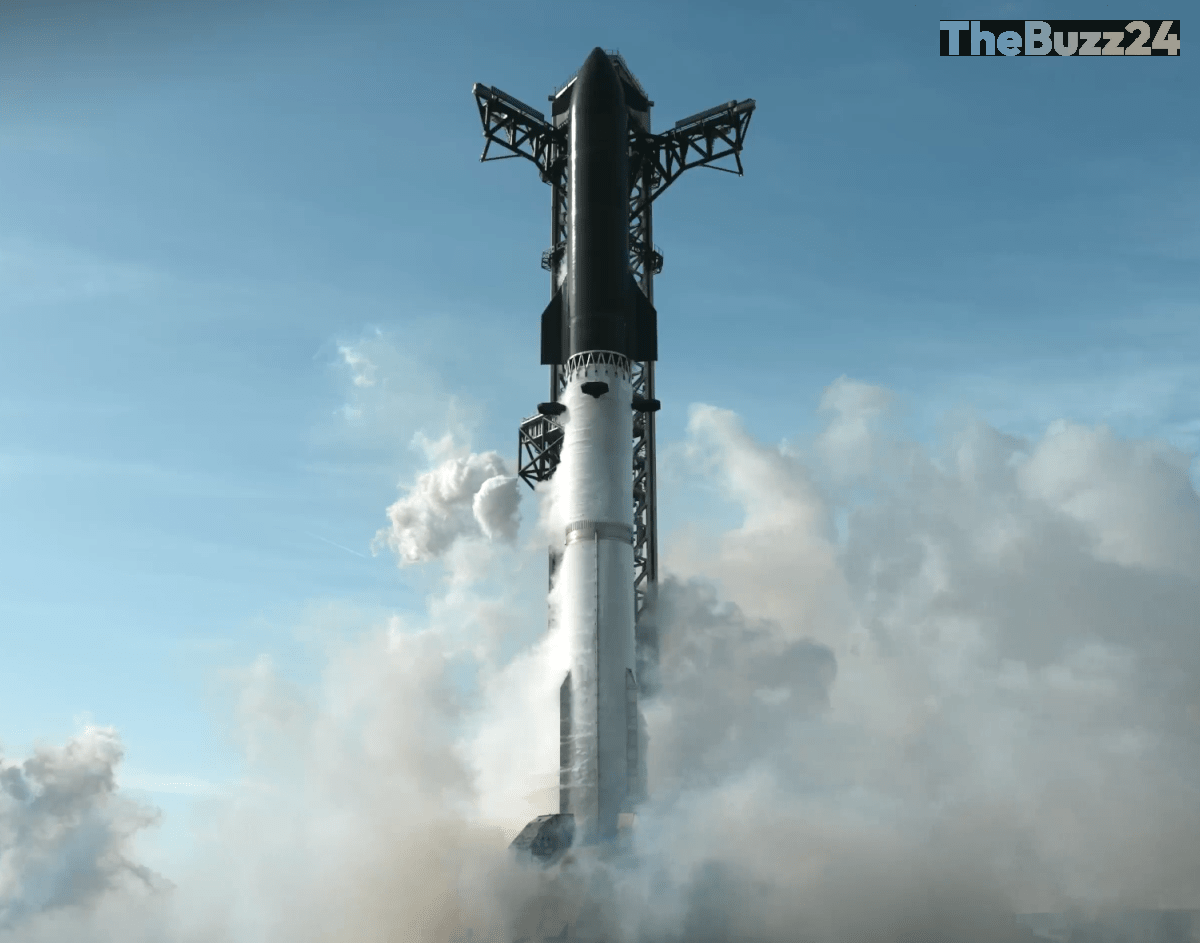
SpaceX experienced a major setback on Thursday when its second attempt to launch the upgraded Starship V3 rocket system was abruptly aborted just moments after engine ignition. The launch, which took place at the company’s South Texas facility, was halted automatically when several of the booster’s engines failed to start. CEO Elon Musk confirmed that the automated system triggered the abort and announced that at least two engines will need to be replaced, pushing the next launch attempt to next week at the earliest.
The aborted mission was intended to deploy the first batch of third-generation Starlink satellites. Because Starship has not yet achieved stable Earth orbit, these satellites were programmed to burn up in the atmosphere roughly 20 minutes after deployment. This launch is highly critical for SpaceX, as the upgraded Starship and Starlink systems are central to the company’s long-term strategy of establishing “orbital data centers.” Starlink currently serves as the primary revenue generator and the sole profitable division of the aerospace giant.
This launch attempt marks the first major test for SpaceX since its historic initial public offering on June 12, which raised over $85 billion and briefly pushed the company’s valuation close to tech giants like Amazon and Microsoft. However, the market reacted negatively to the launch failure. SpaceX’s stock, which had already been on a downward trend over the past month, closed below its initial IPO price of $135 and slid an additional 4% in after-hours trading following the abort.
The incident follows a mixed-result maiden flight of the Starship V3 in May. During that previous test, the Super Heavy booster suffered a malfunction before its planned simulated landing in the Gulf of Mexico, prompting a Federal Aviation Administration (FAA) investigation. Although the FAA cleared SpaceX to fly again earlier this week, this latest ignition failure highlights the ongoing technical hurdles the company faces. Engineers must now drain the propellant from both the booster and upper stages to conduct a thorough investigation into why four of the new Raptor engines failed to fire.
Key Takeaways
- SpaceX's second Starship V3 launch attempt was automatically aborted at ignition due to multiple Raptor engine failures.
- The delay pushes the next launch attempt to next week, requiring the replacement of at least two engines.
- Following the abort, SpaceX's stock fell over 4% in after-hours trading, dropping below its historic $135 IPO price.
Editor’s Analysis & Impact
The sudden abort of the Starship V3 launch underscores the high-stakes environment SpaceX now navigates as a public company. Unlike its pre-IPO days, when rapid, iterative “fail-fast” testing was tolerated by private investors, SpaceX’s technical setbacks are now directly tied to public market volatility. The subsequent 4% drop in after-hours trading and the dip below the $135 IPO price reflect growing investor anxiety over the company’s valuation, which briefly rivaled tech behemoths. Strategically, Starship V3 is the linchpin for SpaceX’s next-generation Starlink network and its ambitious orbital data center initiative. Any prolonged delays in proving Starship’s orbital capabilities could bottleneck Starlink’s revenue growth, potentially forcing a reassessment of SpaceX’s premium market valuation.
Frequently Asked Questions
Q: Why was the Starship V3 launch aborted?
A: The launch was automatically aborted during the ignition sequence because several of the booster's new Raptor engines failed to start properly.
Q: When will SpaceX attempt to launch Starship V3 again?
A: The launch has been postponed until next week at the earliest to allow teams to replace at least two engines and investigate the ignition failure.
Q: How did the stock market react to the aborted launch?
A: SpaceX's stock fell more than 4% in after-hours trading, closing below its initial public offering (IPO) price of $135.
AI Disclosure: This article is based on verified data and official reports. Our Team and AI have cross-referenced every financial detail with primary sources to ensure total accuracy.
More from this Category