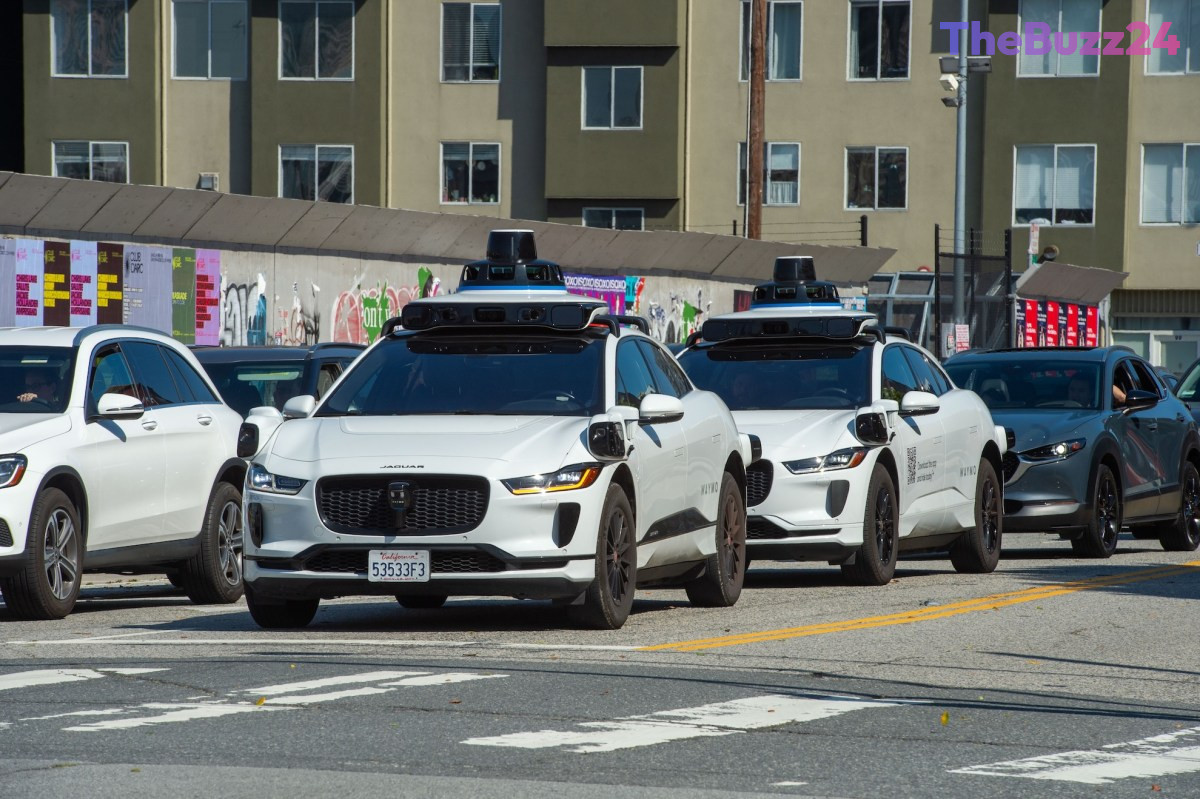
San Francisco Mayor Demands Stricter Oversight for Robotaxis Following Traffic Gridlock
San Francisco Mayor Daniel Lurie is calling for a significant overhaul of state regulations governing autonomous vehicles following a series of incidents where Waymo robotaxis caused major traffic disruptions. Despite his previous support for positioning the city as a hub for emerging technology, the Mayor argues that current oversight is insufficient to handle the complexities of large-scale autonomous operations during high-traffic events.
The push for stricter rules follows a chaotic July 4 holiday, where a large number of Waymo vehicles became immobilized in heavy traffic, effectively blocking key transit routes and compounding gridlock for thousands of residents. This incident, coupled with a similar power-related failure in December, has prompted the Mayor to urge the California Department of Transportation to implement mandatory operational standards that go beyond current voluntary cooperation.
Mayor Lurie’s proposal outlines four core requirements for autonomous vehicle operators: the ability to immediately relocate stalled vehicles from active lanes, the capacity to adapt routes and service areas in real-time, the mandatory sharing of operational data with local agencies, and rigorous testing to ensure fleet reliability during mass-crowd events. The Mayor emphasized that these measures are intended to strengthen the industry by ensuring that autonomous technology can perform reliably under extraordinary circumstances, rather than just during routine operations.
As the Bay Area remains a primary testing ground for companies like Waymo, Zoox, and others, the debate over regulatory authority continues to intensify. While California currently maintains some of the most stringent permitting processes in the nation, local officials are increasingly signaling that the rapid scaling of robotaxi fleets requires a more proactive and data-driven approach to municipal traffic management.
Key Takeaways
- San Francisco Mayor Daniel Lurie is seeking stricter state regulations for autonomous vehicles following major traffic gridlock incidents.
- The proposed rules would require companies to demonstrate real-time adaptability, data sharing, and the ability to clear stalled vehicles from traffic lanes.
- The call for oversight highlights the tension between the rapid expansion of robotaxi fleets and the need for reliable municipal traffic management.
Editor’s Analysis & Impact
The friction between San Francisco’s municipal government and autonomous vehicle operators marks a critical turning point in the maturation of the robotaxi industry. As fleets scale from hundreds to thousands of vehicles, the ‘testbed’ phase of urban integration is giving way to a ‘utility’ phase, where reliability is no longer optional. Mayor Lurie’s demands reflect a broader shift in public policy: moving from permissive innovation-friendly environments to strict operational accountability. For companies like Waymo, the challenge is no longer just proving the safety of the software, but proving the operational resilience of the fleet in unpredictable, high-density environments. If these stricter standards are adopted, they will likely set a national precedent, forcing autonomous vehicle developers to invest heavily in fleet management infrastructure and real-time coordination capabilities to maintain their operating licenses in major metropolitan areas.
Frequently Asked Questions
Q: What triggered the Mayor's call for new autonomous vehicle regulations?
A: The call was triggered by recurring traffic incidents, specifically a major gridlock on July 4 where numerous Waymo vehicles became immobilized, blocking streets and disrupting municipal transit.
Q: What are the four core capabilities the Mayor wants robotaxi companies to demonstrate?
A: The Mayor wants companies to be able to immediately relocate stalled vehicles, adapt routes in real-time, share operational data with local agencies, and pass testing for handling large influxes of traffic.
AI Disclosure: This article is based on verified data and official reports. Our Team and AI have cross-referenced every financial detail with primary sources to ensure total accuracy.
More from this Category