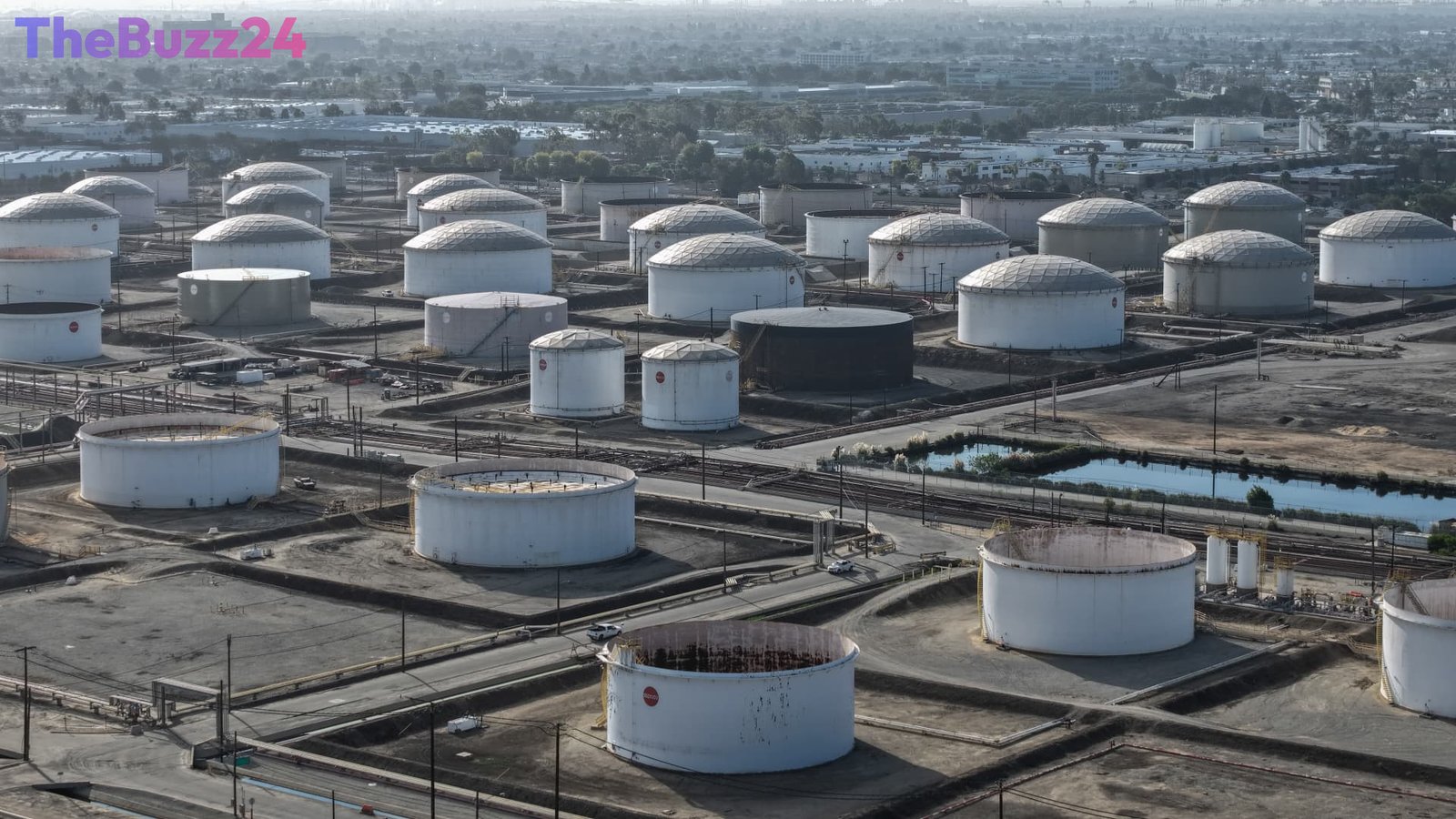
Global Diesel Reserves Tapped: IEA to Release Over 20 Million Barrels Amid Price Surge
In a significant move to stabilize soaring fuel costs, the International Energy Agency (IEA) announced that its member nations have committed to releasing more than 20 million barrels of diesel from strategic reserves. This coordinated action aims to alleviate immediate supply pressures as global diesel prices reach critical levels.
The substantial release, described as “as soon as possible” by the agency, is equivalent to less than a single day of worldwide diesel consumption or approximately five days’ worth of demand in the United States. While the IEA did not provide a precise timeline, the Group of Seven (G7) nations, spearheaded by France, had previously indicated a plan to deploy significant diesel stocks over a 20-day period. If this timeframe is adopted, it would translate to roughly one million barrels being supplied daily for nearly three weeks.
This intervention comes at a time of heightened geopolitical tension and supply chain disruptions. Prices for diesel futures have already seen a downward trend following the announcement, trading lower on Thursday. The average retail price for diesel in the U.S. had climbed over 70% year-over-year in September, placing considerable pressure on governments to find solutions ahead of key elections.
Analysts, however, caution that this reserve release addresses only the immediate supply crunch and does not tackle the underlying issues plaguing the market. The core problem, according to industry experts, lies in the insufficient refining capacity globally. Refinery damage in conflict zones and existing operational limits in major producing regions like the U.S. are seen as persistent bottlenecks that hinder increased production. The IEA’s action, while providing temporary relief, does not offer a long-term solution to boost refining output.
Key Takeaways
- The International Energy Agency (IEA) will release over 20 million barrels of diesel from member state reserves to combat rising global fuel prices.
- The release is a short-term measure, equivalent to less than one day of global demand, and does not address the fundamental issue of low refining capacity.
- Geopolitical events and supply chain disruptions have contributed to the surge in diesel prices, prompting this coordinated international response.
Editor’s Analysis & Impact
The IEA’s decision to tap into diesel reserves signals a serious concern among major economies regarding energy security and price stability. While the immediate injection of supply is expected to offer some relief to consumers and industries heavily reliant on diesel, it’s a temporary fix. The market’s underlying vulnerability stems from a structural deficit in refining capacity, exacerbated by geopolitical conflicts and underinvestment. This situation highlights the delicate balance of global energy markets and the challenges in rapidly scaling up production. The long-term outlook will depend on investments in refining infrastructure and diversification of energy sources, rather than solely relying on strategic reserve releases.
Frequently Asked Questions
Q: Why is the IEA releasing diesel reserves?
A: The IEA is releasing diesel reserves to address a significant surge in global diesel prices, aiming to provide immediate relief to consumers and stabilize the market amidst supply concerns.
Q: How much diesel is being released and how significant is it?
A: Over 20 million barrels of diesel will be released. This amount is equivalent to less than one day of global diesel demand or about five days of U.S. consumption, indicating it's a short-term measure.
Q: Does this release solve the problem of high diesel prices?
A: No, analysts suggest this release is a temporary solution. The core issue of insufficient global refining capacity remains unaddressed, which is a primary driver of sustained high prices.
AI Disclosure: This article is based on verified data and official reports. Our Team and AI have cross-referenced every financial detail with primary sources to ensure total accuracy.
More from this Category