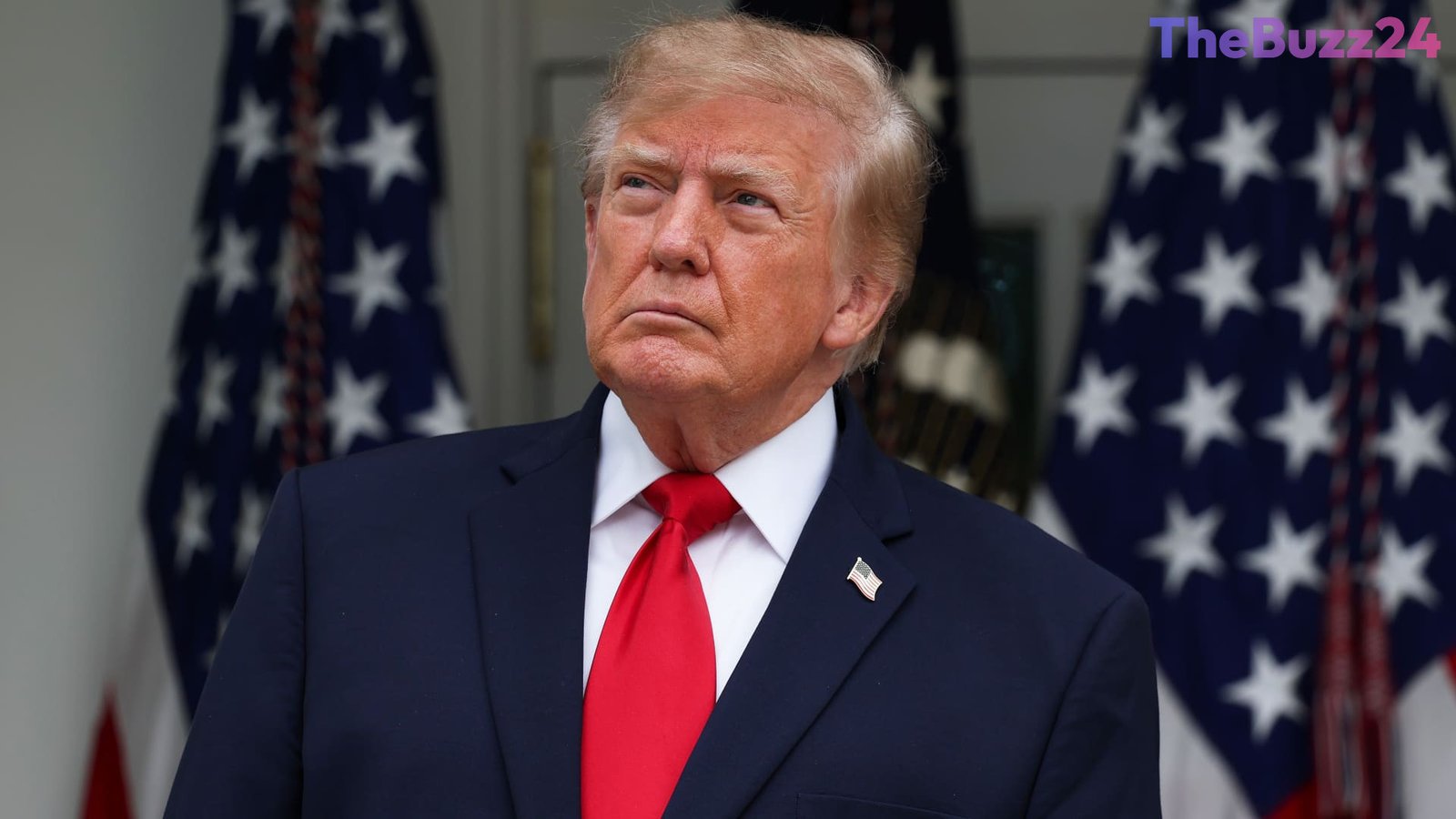
Trump Rules Out Nuclear Strikes and Ground Troops in Potential Iran Conflict
United States President Donald Trump has clarified his administration’s military stance regarding Iran, explicitly stating that he has no intention of deploying nuclear weapons or ground troops in the region. In a recent broadcast interview, the commander-in-chief emphasized that Washington’s overwhelming conventional dominance makes the use of atomic arsenals entirely unnecessary.
The remarks follow mounting speculation surrounding potential U.S. military strategies, which reportedly include the possible deployment of the GBU-43/B Massive Ordnance Air Blast, commonly referred to as the MOAB or the “Mother of All Bombs.” While addressing questions about this colossal conventional explosive—the largest non-nuclear weapon in the American military inventory—the administration downplayed the need for a nuclear escalation while discussing tactical options involving key Iranian energy and nuclear infrastructure.
Simultaneously, maritime security concerns have escalated sharply in the critical Strait of Hormuz. International shipping authorities have maintained a severe threat level following a series of hostile incidents in the vital waterway, highlighted by the recent sinking of a container ship after a projectile strike. With multiple deliberate attacks recorded in recent weeks, commercial vessels navigating the strait face unprecedented operational risks as geopolitical tensions continue to mount.
Key Takeaways
- President Trump explicitly ruled out the use of nuclear weapons and ground troop deployments in any potential conflict with Iran.
- Discussion has centered around the potential tactical use of the GBU-43/B MOAB, the U.S. military's largest non-nuclear explosive.
- Maritime security in the Strait of Hormuz remains at a severe threat level following a series of recent attacks on commercial shipping vessels.
Editor’s Analysis & Impact
The latest rhetoric surrounding U.S. military posture toward Iran highlights a delicate balancing act between deterrence and the avoidance of a prolonged ground war. By publicly taking nuclear options and ground deployments off the table, the administration aims to signal strength through conventional superiority—such as heavy ordnance capabilities—while mitigating the domestic and international fallout associated with large-scale Middle Eastern engagements. However, the intertwined volatility in the Strait of Hormuz introduces severe economic risks, particularly regarding global energy supplies and maritime trade routes. Any military escalation or continued disruption to shipping lanes in this critical chokepoint could trigger immediate shocks in global oil markets, forcing commercial shipping operators to drastically alter routes and significantly driving up insurance and transit costs in the near future.
Frequently Asked Questions
Q: Did the U.S. president threaten to use nuclear weapons against Iran?
A: No, President Trump explicitly stated that he would not use nuclear weapons against Iran, noting that the U.S. does not need to resort to atomic arsenals.
Q: What is the MOAB?
A: The MOAB (Massive Ordnance Air Blast) is the largest non-nuclear bomb in the U.S. military arsenal, known colloquially as the 'Mother of All Bombs'.
Q: Why is the Strait of Hormuz facing heightened security risks?
A: The Strait of Hormuz is experiencing heightened security risks following multiple reported attacks on commercial merchant vessels, leading maritime authorities to declare a severe threat level.
AI Disclosure: This article is based on verified data and official reports. Our Team and AI have cross-referenced every financial detail with primary sources to ensure total accuracy.
More from this Category