G20 Finance Talks Expose Deep Divisions Amid Russia’s Return to the Table
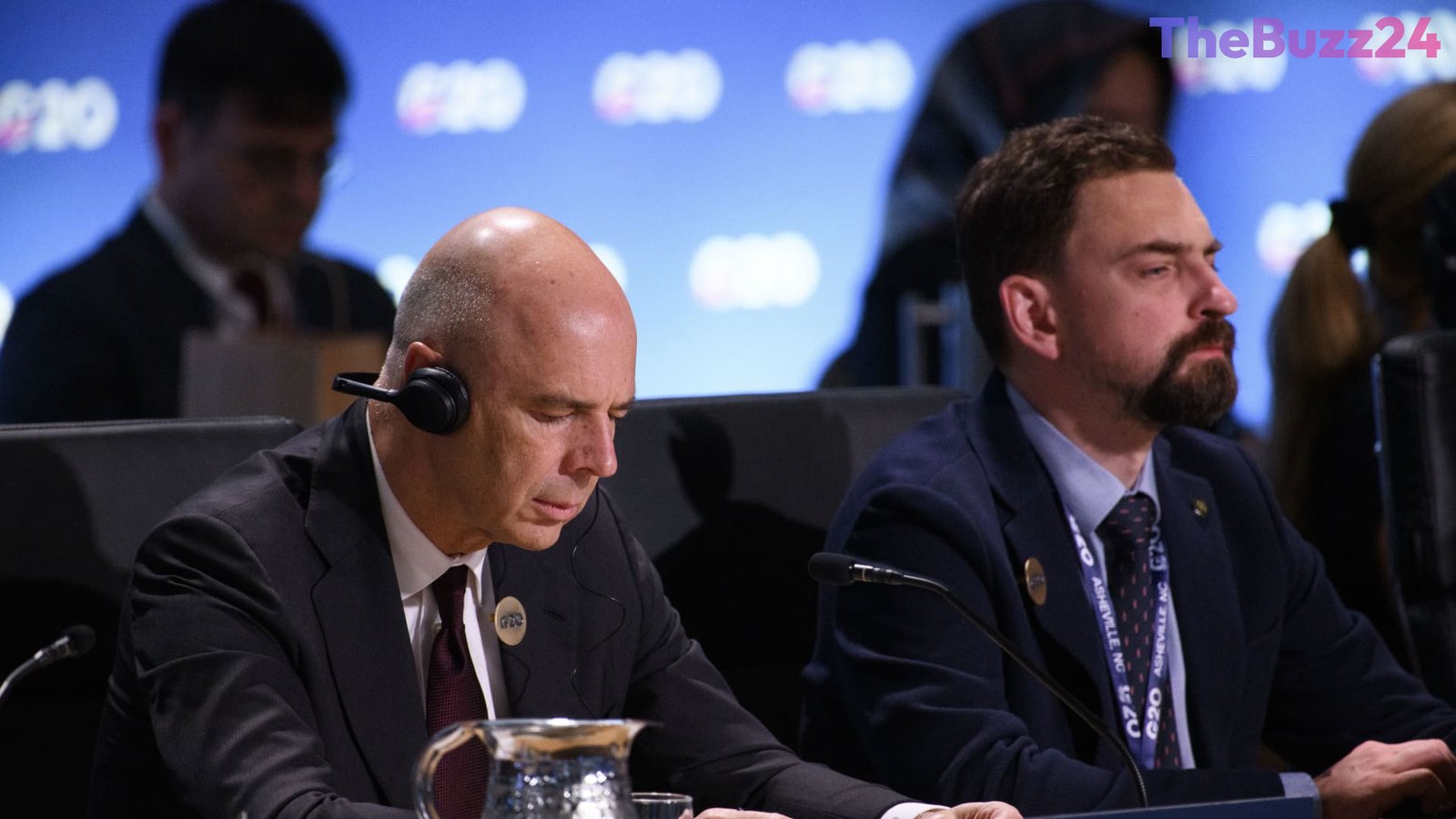
The recent gathering of G20 finance ministers and central bank governors in Bangkok, held on the sidelines of the IMF-World Bank Annual Meetings, brought Russia’s top financial officials back to the international stage, sparking significant diplomatic friction. Russian Finance Minister Anton Siluanov and Bank of Russia Deputy Governor Elizaveta Danilova were present, marking Siluanov’s second in-person attendance at such a meeting since the 2022 invasion of Ukraine. This move signals a complex shift in global diplomatic engagement, particularly as the United States, holding the G20 presidency, extended the invitation.
This re-engagement has, however, deepened a rift with key European allies. German Finance Minister Lars Klingbeil, also present in Bangkok, voiced strong opposition to any normalization of Russia’s status within the G20. His stance echoes previous protests, such as at the August G20 finance meeting in Asheville, North Carolina, where European officials’ objections led to the exclusion of the Russian delegation from the traditional group photo. Klingbeil emphasized that European nations would not accept Russia’s return as a “normal member,” highlighting the ongoing tension between Washington’s approach and Europe’s commitment to isolating Moscow.
The Bangkok meeting ultimately concluded without a joint communique, underscoring the persistent and deep divisions among G20 members. Key points of contention included the ongoing conflict in Ukraine, the Middle East situation, and global trade imbalances. Australian Treasurer Jim Chalmers explicitly linked regional instability, such as Iran’s actions in the Strait of Hormuz, to Russia’s war in Ukraine, reiterating calls for an end to hostilities. The absence of U.S. Treasury Secretary Scott Bessent from the talks further highlighted the challenges in achieving unified global economic coordination, a situation mirrored by the Asheville meeting’s similar lack of consensus. These stalemates reveal the G20’s struggle to forge common ground amidst a fractured geopolitical landscape.
Key Takeaways
- Russian finance officials attended a G20 meeting in Bangkok, marking a notable return to in-person engagement since the Ukraine invasion.
- The U.S. decision to welcome Russia back to the G20 finance talks has created significant tension with European allies, particularly Germany, who oppose normalizing Russia's international standing.
- The meeting concluded without a joint communique, underscoring persistent global divisions on critical issues including the Ukraine war, Middle East conflict, and trade imbalances.
Editor’s Analysis & Impact
The inability of G20 finance ministers to issue a joint communique signals continued geopolitical instability, which can deter international investment and complicate global economic coordination. Persistent divisions on trade and energy issues, exacerbated by conflicts, create uncertainty for commodity markets and supply chains. The U.S. approach to re-engage Russia within the G20, despite European objections, suggests a potential shift in diplomatic strategy, but one fraught with risks to allied unity. Future G20 summits will likely continue to be battlegrounds for these geopolitical tensions, hindering effective multilateral responses to pressing global challenges like debt and climate change. This dynamic highlights the fragmentation of the international order, diminishing the G20’s effectiveness in fostering collective solutions.
Frequently Asked Questions
Q: Why is Russia's presence at the G20 meeting controversial?
A: Russia's in-person participation is controversial because it marks a return to a major international forum after its isolation following the 2022 invasion of Ukraine. Many European nations, including Germany, view this as normalizing Russia's status while the conflict continues, directly conflicting with efforts to maintain pressure on Moscow.
Q: What is a "joint communique" and why is its absence significant?
A: A joint communique is a formal statement issued at the end of a multilateral meeting, outlining agreements, shared positions, and future actions. Its absence signifies a failure of consensus among member states on key issues, indicating deep divisions that prevent a unified approach to global challenges like economic stability, trade, and geopolitical conflicts.
Q: How does the U.S. stance on Russia differ from some European allies?
A: As the current G20 president, the U.S. has shown a willingness to re-engage Russia in finance talks, potentially seeking avenues for dialogue. In contrast, several European allies, notably Germany, advocate for continued isolation and pressure on Russia, strongly opposing any actions that might legitimize its presence on the international stage while the war in Ukraine persists.
AI Disclosure: This article is based on verified data and official reports. Our Team and AI have cross-referenced every financial detail with primary sources to ensure total accuracy.
More from this Category