AI’s Hidden Cost: Communities Nationwide Push Back Against Data Center Boom
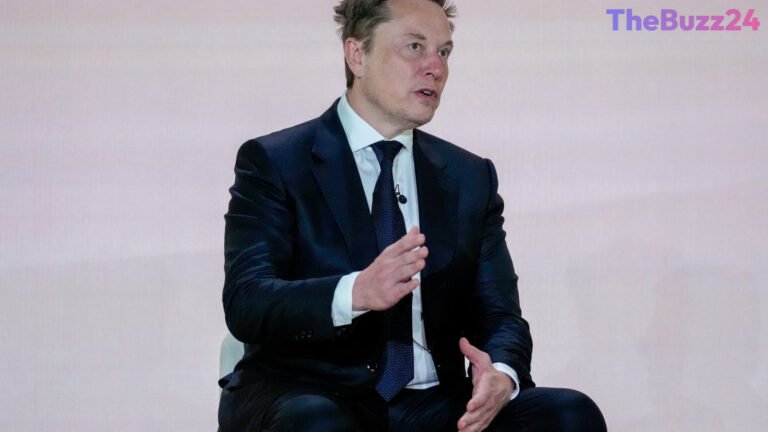
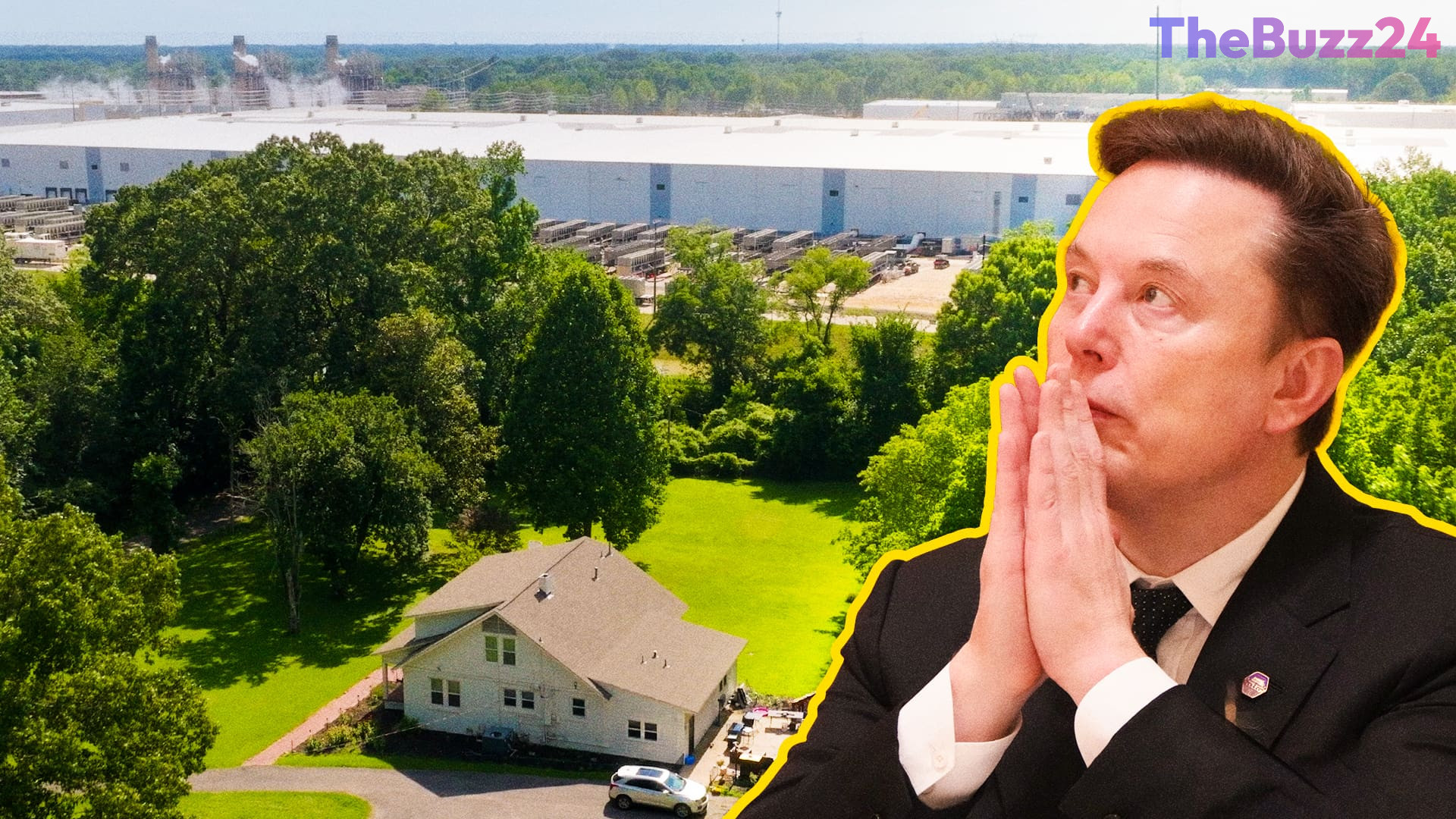
The rapid expansion of artificial intelligence infrastructure, particularly large-scale data centers, is sparking significant public opposition across the United States. At the forefront of this backlash are the SpaceXAI facilities, known as Colossus and Colossus II, built by Elon Musk in the Greater Memphis area. Residents near these sites report severe disruptions, including incessant noise and emissions from natural gas-burning turbines, leading to a growing movement against such developments.
Two years after Musk’s ambitious AI buildout in Memphis, the local community’s experience has become a cautionary tale, influencing policy proposals, protests, and litigation nationwide. Public sentiment is increasingly negative, with a recent poll indicating that a majority of Americans oppose AI data center construction in their local areas. This sentiment extends beyond SpaceXAI, impacting projects by other major hyperscalers like Microsoft, Meta, Google, and OpenAI. State-level actions are emerging, such as New York Governor Kathy Hochul enacting a one-year moratorium on AI data center construction and New Jersey Governor Mikie Sherrill implementing legislation to ensure operators cover electricity costs, rather than shifting them to residents.
Despite the economic benefits, including SpaceXAI’s substantial tax contributions and lucrative agreements with companies like Google and Anthropic to rent computing capacity, local residents feel overlooked. Many claim they were not consulted before construction began, and now face diminished quality of life. Legal challenges are mounting, with Memphis residents filing a class-action lawsuit against SpaceXAI for public nuisance due to noise. Separately, the NAACP, represented by the Southern Environmental Law Center and Earthjustice, has sued SpaceXAI, alleging violations of the federal Clean Air Act for operating turbines without proper permits and pollution controls. The U.S. Department of Justice intervened in the latter case, citing national security concerns and the importance of SpaceXAI’s technology for military operations.
The controversy highlights a critical tension between technological advancement and community well-being. While data centers are essential for the generative AI boom, their demands for vast land, energy, and water, coupled with limited local job creation and environmental impacts, are forcing communities and policymakers to re-evaluate their placement and regulation. The experiences in Memphis are now serving as a blueprint for other towns, prompting updates to zoning laws and even influencing local elections, as communities seek to protect themselves from the unintended consequences of the AI revolution.
Key Takeaways
- Rapid AI data center expansion, exemplified by Elon Musk's SpaceXAI in Memphis, is generating significant community backlash due to noise, emissions, and environmental concerns.
- This local opposition is influencing policy changes, legal challenges, and zoning updates nationwide, creating a blueprint for communities resisting similar developments.
- Despite economic benefits and national security arguments, residents in affected areas report severe quality of life impacts and feel unheard by developers and local authorities.
Editor’s Analysis & Impact
The escalating public resistance to AI data centers, as seen with SpaceXAI in Memphis, signals a critical inflection point for the technology and real estate sectors. The industry’s rapid growth, driven by the insatiable demand for computing power, is clashing with local environmental and social concerns. This trend suggests that future data center development will face heightened scrutiny, requiring developers to prioritize community engagement, sustainable practices, and transparent environmental impact assessments. Regulators are likely to impose stricter zoning laws, environmental permits, and cost-sharing mechanisms, potentially increasing development costs and timelines. The involvement of the U.S. Department of Justice, citing national security, adds another layer of complexity, highlighting the strategic importance of these facilities while also underscoring the need to balance national interests with local well-being. This dynamic will shape the future landscape of AI infrastructure, pushing for more distributed, environmentally conscious, and community-integrated solutions.
Frequently Asked Questions
Q: What are the primary concerns raised by communities regarding AI data centers?
A: Communities are primarily concerned about noise pollution from cooling systems and turbines, air emissions from natural gas power generation, significant demands on local water and electricity resources, and the lack of prior consultation with residents before construction begins. These issues often lead to a perceived decline in quality of life for nearby inhabitants.
Q: How are communities and policymakers responding to the rise of AI data centers?
A: Responses vary but include widespread public protests, class-action lawsuits against developers for nuisance and environmental violations, and political actions such as state-level moratoriums on new construction, legislation to ensure fair utility cost distribution, and updates to local zoning laws to prevent similar issues in the future. The experiences of affected communities are also being shared as cautionary tales to inform other regions.
Q: What role does Elon Musk's SpaceXAI play in this controversy?
A: Elon Musk's SpaceXAI facilities in Memphis, known as Colossus and Colossus II, are central to the controversy. Their rapid construction and subsequent operational impacts, including noise and emissions, have become a focal point for community backlash. While the facilities contribute significantly to the local tax base and serve as crucial infrastructure for other major AI companies, they have also drawn lawsuits and criticism for their environmental footprint and perceived disregard for local residents' concerns.
AI Disclosure: This article is based on verified data and official reports. Our Team and AI have cross-referenced every financial detail with primary sources to ensure total accuracy.
More from this Category