Microsoft CEO Satya Nadella Questions Editorial Restrictions on Anthropic’s AI Models
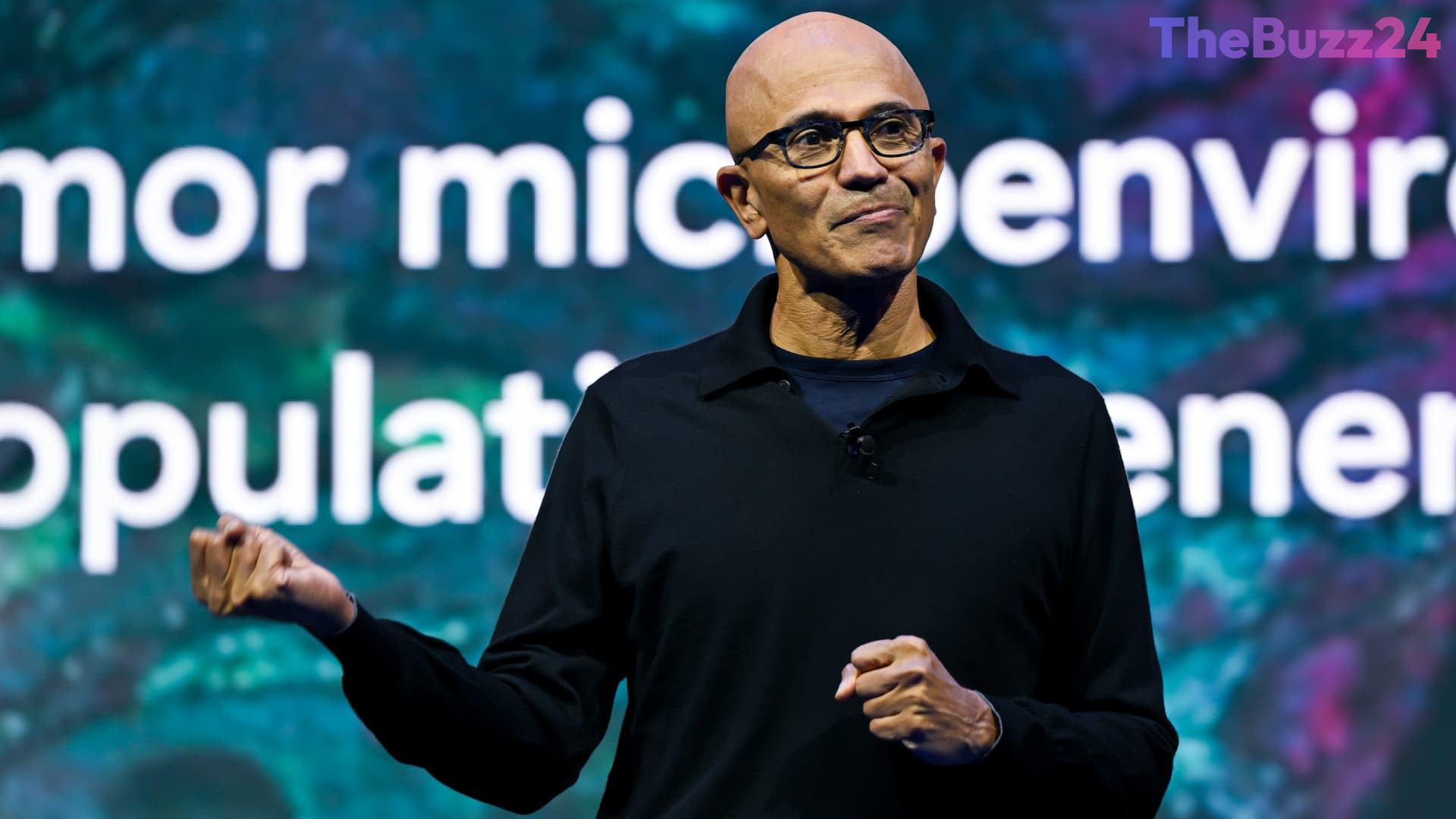
Microsoft CEO Satya Nadella has publicly questioned the restrictive nature of Anthropic’s high-end Fable generative AI model, suggesting that the startup’s heavy-handed editorial controls hinder the utility of the tool. During a recent meeting with engineers developing Microsoft’s Copilot software, Nadella expressed frustration over the model’s tendency to refuse user requests, comparing the experience unfavorably to traditional creation tools. He argued that such limitations are counterproductive for users seeking reliable performance.
This critique highlights a growing tension within the AI industry regarding the balance between safety guardrails and functional freedom. While Anthropic has stated that its safeguards are designed to reduce false positives, users have reported frequent rejections, even for seemingly harmless inquiries. The situation is further complicated by the fact that Microsoft maintains a significant financial partnership with Anthropic, having invested billions into the startup while integrating its models into the Copilot ecosystem.
Beyond the specific friction with Anthropic, Nadella’s comments reflect a broader strategic shift at Microsoft. The company is increasingly advocating for a more decentralized AI landscape where businesses can leverage cost-efficient, custom models rather than relying solely on a few dominant labs. Nadella emphasized that the industry should move away from a model where only a handful of companies control the ‘means of production,’ advocating instead for an environment where developers have greater autonomy over their AI infrastructure.
As Microsoft continues to unify its consumer and corporate AI offerings, the company is also accelerating its own in-house model development. This dual approach—partnering with external labs while simultaneously building proprietary solutions—underscores Microsoft’s intent to maintain a competitive edge in an evolving market where efficiency and data sovereignty are becoming as critical as raw model performance.
Key Takeaways
- Satya Nadella criticized Anthropic's Fable model for being overly restrictive, arguing that excessive editorial control limits its utility as a creation tool.
- Microsoft is pushing for a more diverse AI ecosystem, encouraging developers to utilize cost-efficient, custom models rather than relying exclusively on a few major providers.
- Despite the criticism, Microsoft remains deeply invested in Anthropic, highlighting a complex relationship between the two tech giants as they navigate the competitive landscape of generative AI.
Editor’s Analysis & Impact
Nadella’s public critique signals a pivotal shift in the AI arms race. By questioning the ‘editorial control’ of frontier models, Microsoft is positioning itself as a champion of developer autonomy and economic efficiency. This move is likely a strategic attempt to mitigate the risks associated with over-reliance on third-party labs like Anthropic and OpenAI. As Microsoft expands its own in-house model capabilities and promotes its Foundry service, it is effectively signaling to the market that the era of ‘renting’ AI intelligence from a few centralized entities is unsustainable. The broader implication is a move toward a more fragmented, competitive, and cost-conscious AI market, where companies prioritize data ownership and custom-built solutions over black-box models that come with unpredictable usage restrictions.
Frequently Asked Questions
Q: Why is Satya Nadella critical of Anthropic's Fable model?
A: Nadella believes that the model is too 'editorially controlled,' meaning it frequently refuses user requests for reasons that seem arbitrary, which he argues makes it less effective as a creative tool.
Q: What is Microsoft's broader strategy regarding AI models?
A: Microsoft is moving toward a strategy that emphasizes cost-efficiency and developer autonomy. They want to enable companies to develop custom models using their own data, rather than being forced to rely solely on expensive, restrictive models from a few dominant AI labs.
AI Disclosure: This article is based on verified data and official reports. Our Team and AI have cross-referenced every financial detail with primary sources to ensure total accuracy.
More from this Category