Global Olive Oil Market Enters New Era of Stability, Major Producer Deoleo Confirms
The global olive oil market has definitively transitioned into a more stable phase following a period of unprecedented volatility, according to Deoleo, the world’s largest olive oil company. CEO Cristóbal Valdés announced that the challenging market cycle experienced between 2022 and 2024, which significantly impacted the industry, is now firmly in the past. This shift promises greater predictability across the entire value chain and a more consistent pricing environment for consumers worldwide.
This newfound stability is largely attributed to improved climatic conditions across key producing regions. Favorable rainfall trends in major olive oil-producing nations, particularly Spain, have set the stage for a robust global yield in the upcoming harvest. This contrasts sharply with the severe droughts and intense heat that plagued southern Europe in recent years, decimating harvests and driving wholesale Extra Virgin Olive Oil (EVOO) prices to record highs, such as 9.3 euros per kilogram in Spain in January 2024. Prices have since moderated significantly, now standing around 3.9 euros per kilogram.
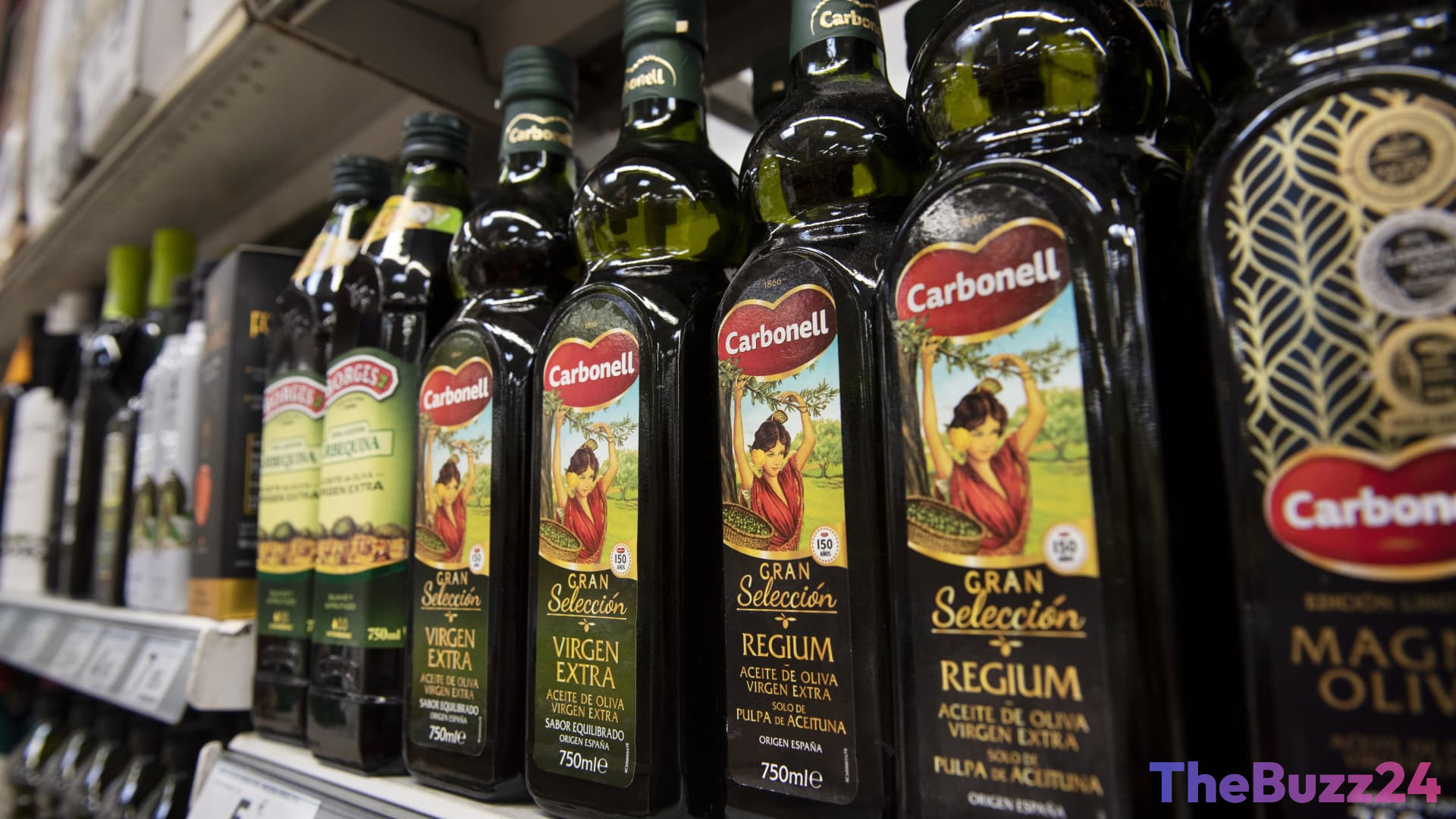
Beyond supply-side improvements, Deoleo, known for brands like Bertolli and Carbonell, also credits strategic innovation for boosting market recovery, especially in the United States. A packaging redesign, notably the introduction of squeeze bottles, has been a significant catalyst, driving 40% of the category’s growth in the U.S. This consumer-focused approach, tailored to modern culinary habits and appealing to younger demographics and new olive oil users, has led to increased sales volumes and a consistent rise in the number of American households purchasing olive oil across all income brackets. This combination of stable supply and innovative demand generation is fostering a recovery in global household consumption.
Key Takeaways
- The global olive oil market has moved from a period of extreme volatility (2022-2024) to one of stability.
- Favorable rainfall in major producing countries like Spain is leading to a strong global harvest and more stable prices.
- Packaging innovation, such as squeeze bottles, has significantly boosted U.S. sales and attracted new consumers to olive oil.
Editor’s Analysis & Impact
This news from Deoleo signals a crucial turning point for the global olive oil industry. The declaration of market stability, driven by improved harvests in key regions like Spain, suggests an end to the extreme price fluctuations that have challenged producers and consumers alike over the past two years. This stabilization is likely to restore consumer confidence and encourage broader adoption, particularly as prices moderate. The emphasis on packaging innovation, exemplified by squeeze bottles, highlights a strategic shift towards consumer convenience and market expansion, especially in regions like the U.S. where olive oil consumption is growing. While climate change remains a long-term concern for agricultural commodities, this immediate outlook offers a positive trajectory for the industry, potentially leading to increased investment and product development.
Frequently Asked Questions
Q: What caused the recent volatility in the olive oil market?
A: The volatility between 2022 and 2024 was primarily caused by severe droughts and extreme heat in major olive oil-producing regions, particularly southern Europe, which led to significantly reduced harvests and soaring prices.
Q: How have olive oil prices changed recently?
A: After reaching record highs of around 9.3 euros per kilogram for Extra Virgin Olive Oil (EVOO) in Spain in early 2024, prices have since moderated, now standing at approximately 3.9 euros per kilogram, reflecting improved supply conditions.
Q: What role has packaging innovation played in the market recovery?
A: Deoleo credits packaging redesigns, such as the introduction of squeeze bottles, with significantly boosting U.S. sales. This innovation caters to modern culinary habits and has attracted new consumers, driving 40% of the category's growth in the country.
AI Disclosure: This article is based on verified data and official reports. Our Team and AI have cross-referenced every financial detail with primary sources to ensure total accuracy.
More from this Category