NASA Develops New Algorithm to Predict and Prevent Blood Clots in Astronauts
NASA has developed a novel algorithm aimed at identifying and mitigating the risk of venous thromboembolism (VTE), commonly known as blood clots, in astronauts during space missions. This initiative stems from observations of altered blood flow and diagnosed VTE cases in astronauts during International Space Station (ISS) missions, prompting the agency to convene a working group.
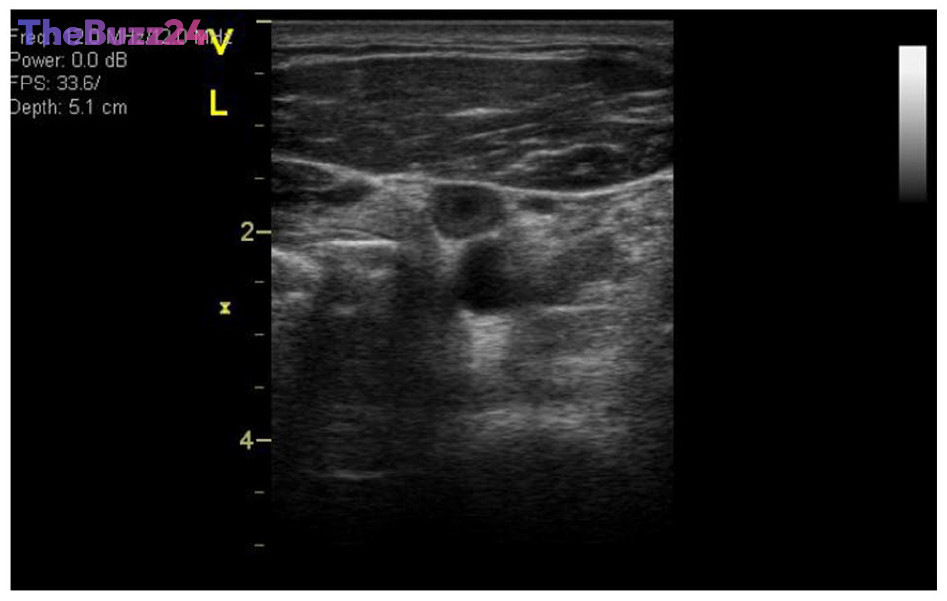
The working group, established by NASA’s Office of the Chief Health and Medical Officer (OCHMO), reviewed updated VTE case information and research data. A key finding highlighted the left internal jugular vein (IJV) as a significant area of concern for VTE development in microgravity. While slow blood flow, endothelial factors, and retrograde flow are all considered contributing elements, the group noted limitations in current in-flight ultrasound technology’s ability to accurately measure stasis or slow flow.
Following extensive discussions and a review of risk factors, the panel reached a consensus that stasis and retrograde flow alone warrant the use of prophylactic measures, such as anticoagulation. The newly developed VTE Risk Score for Astronauts Algorithm incorporates these findings, along with other thrombosis risk factors weighted by terrestrial medical literature. This comprehensive approach aims to provide a more robust system for assessing and managing the risk of blood clots, ensuring astronaut health and safety during long-duration spaceflights.
Key Takeaways
- NASA has created a new algorithm to assess and prevent blood clots (VTE) in astronauts.
- Stasis and retrograde flow in the left internal jugular vein are identified as major risk factors in microgravity.
- The algorithm incorporates stasis, retrograde flow, and other thrombosis risk factors to guide prophylactic treatment decisions.
Editor’s Analysis & Impact
This development by NASA underscores the growing understanding of the physiological challenges faced by astronauts in microgravity. The creation of a specific VTE risk score algorithm is a critical step in ensuring crew safety for future long-duration missions, including potential journeys to Mars. The focus on improving in-flight diagnostic capabilities and the integration of terrestrial risk factors suggest a proactive approach to space medicine. This could have broader implications for medical monitoring in remote or extreme environments on Earth, potentially influencing diagnostic tools and preventative strategies in fields like emergency medicine or aviation.
Frequently Asked Questions
Q: What is Venous Thromboembolism (VTE)?
A: VTE is a condition where blood clots form in veins, most commonly in the legs (deep vein thrombosis or DVT) or lungs (pulmonary embolism or PE). In the context of spaceflight, it refers to the risk of blood clots forming in astronauts.
Q: Why is VTE a concern for astronauts?
A: Microgravity can alter blood flow dynamics, leading to stasis (slow or stopped blood flow) and other changes in the circulatory system that increase the risk of blood clot formation. These clots can be dangerous if they dislodge and travel to other parts of the body.
Q: What are the key risk factors identified by NASA for VTE in astronauts?
A: The primary risk factors identified include stasis (slow or stopped blood flow) and retrograde flow (backward flow) in the left internal jugular vein. Other thrombosis risk factors, weighted by terrestrial medical literature, are also considered.
AI Disclosure: This article is based on verified data and official reports. Our Team and AI have cross-referenced every financial detail with primary sources to ensure total accuracy.
More from this Category