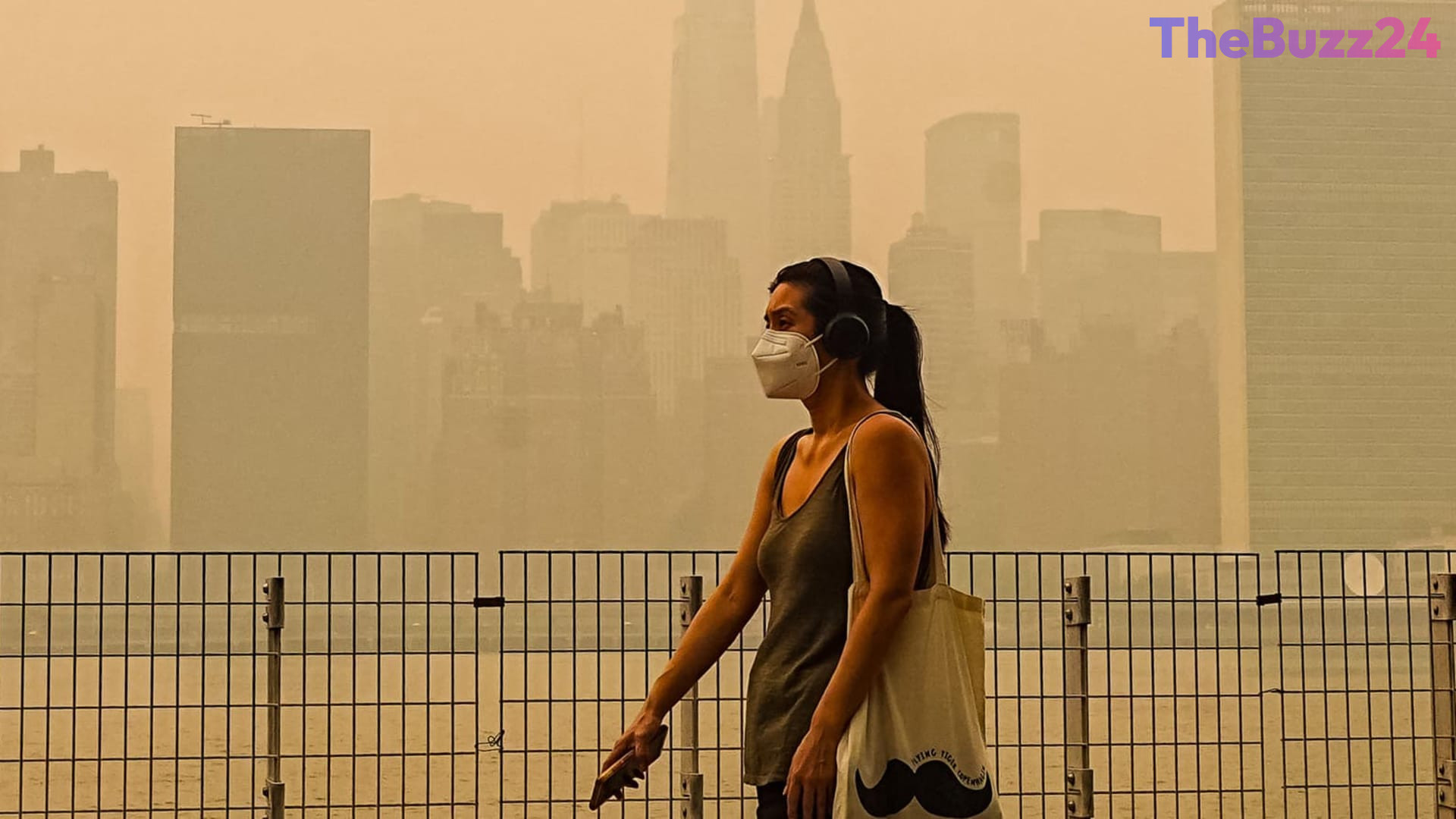
Trump Threatens New Tariffs on Canada Over Cross-Border Wildfire Smoke
President Donald Trump has issued a stern warning to Canada, stating that the United States will impose additional tariffs to offset the economic and health costs associated with wildfire smoke drifting across the border. The President characterized the current air quality crisis as ‘totally unacceptable,’ placing the blame on Ottawa for what he described as a failure to properly maintain forests and brush, which has led to hazardous air conditions in major American cities.
In a statement posted to social media, Trump indicated that the billions of dollars in damages and health-related costs incurred by the U.S. should be recovered through increased trade levies. He announced plans to hold discussions with Canadian Prime Minister Mark Carney to address the situation directly. The smoke has become a significant point of contention, particularly as the nation prepares for the upcoming FIFA World Cup final in New Jersey, an event the President is scheduled to attend.
While the administration pushes for accountability, the Environmental Protection Agency (EPA) has expressed deep concern regarding the impact of the smoke on public health. EPA head Lee Zeldin confirmed that the agency is in active communication with Canadian officials, urging them to prioritize the containment of the fires. Meanwhile, the broader scientific community continues to emphasize the link between climate change and the increasing frequency of extreme wildfire events, even as reports emerge regarding the administration’s recent efforts to scale back government research into wildfire smoke impacts.
Key Takeaways
- President Trump plans to link the costs of wildfire smoke damage to existing tariffs on Canadian goods.
- The administration is pressuring Canadian leadership to improve forest management and accelerate fire suppression efforts.
- The ongoing air quality crisis has raised concerns regarding public health and the logistics of the upcoming FIFA World Cup final.
Editor’s Analysis & Impact
This development marks a significant escalation in U.S.-Canada trade relations, signaling a shift toward using environmental externalities as a justification for protectionist economic policy. By framing wildfire smoke as a ‘pollution invasion’ that warrants financial retribution, the administration is setting a precedent for linking climate-related disasters to trade negotiations. This approach creates substantial uncertainty for cross-border supply chains and diplomatic cooperation. Furthermore, the tension between the administration’s aggressive stance on foreign forest management and its domestic policy of reducing wildfire research funding highlights a complex political landscape. Investors and businesses should monitor the potential for retaliatory trade measures, which could disrupt North American markets and complicate the already delicate balance of international environmental policy.
Frequently Asked Questions
Q: Why is President Trump threatening to add tariffs to Canada?
A: The President argues that Canada is responsible for the wildfire smoke entering the U.S. and that the resulting economic and health costs should be offset by increasing tariffs on Canadian goods.
Q: What is the EPA's current stance on the wildfire situation?
A: The EPA, led by Lee Zeldin, has expressed concern over the harm caused by the smoke and is actively communicating with Canadian officials to encourage faster fire suppression efforts.
AI Disclosure: This article is based on verified data and official reports. Our Team and AI have cross-referenced every financial detail with primary sources to ensure total accuracy.
More from this Category