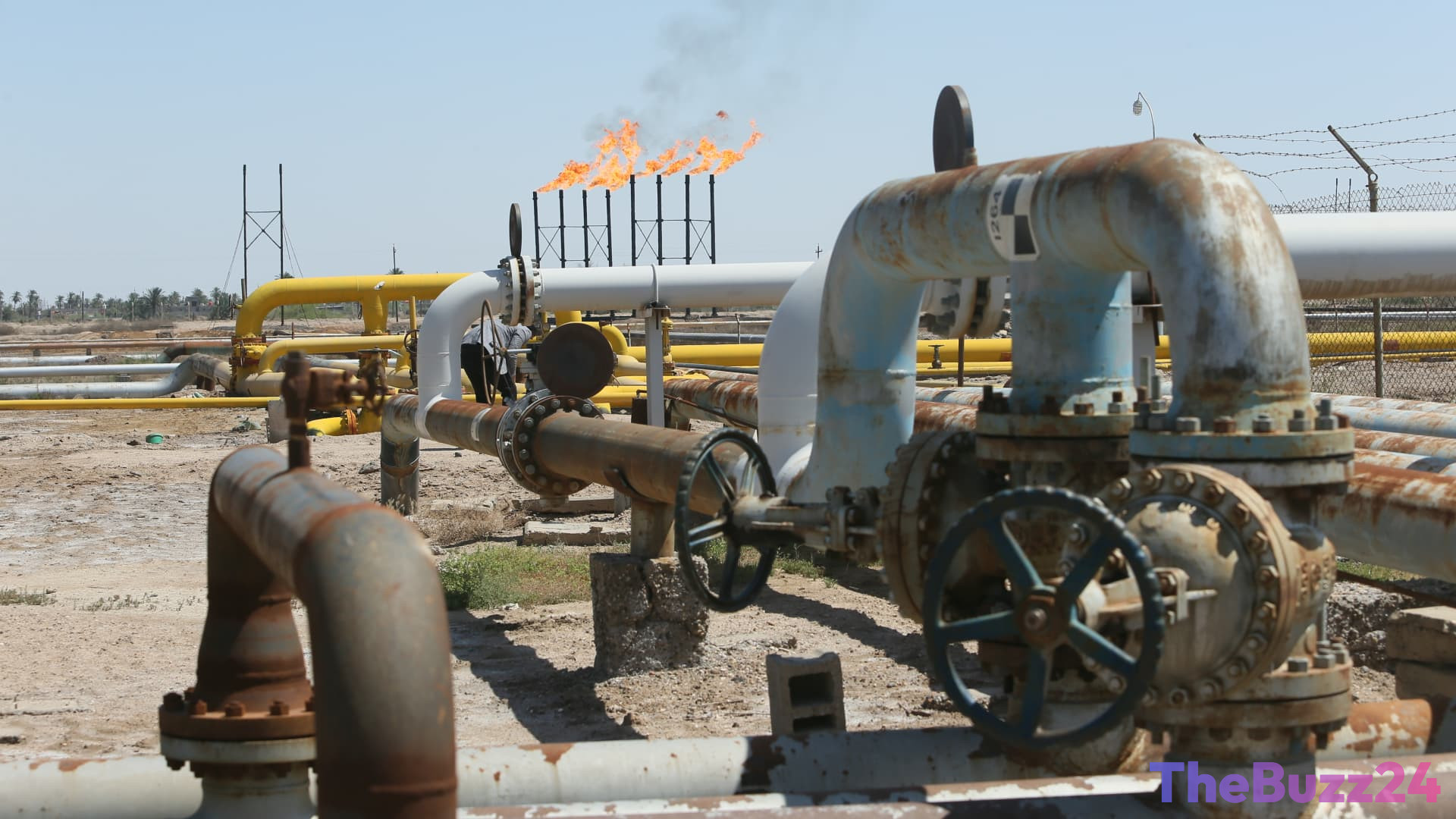
Iraq and Syria Revive Key Oil Pipeline, Offering Alternative to Strait of Hormuz
Iraq and Syria have inked a significant agreement to reconstruct a vital oil pipeline, aiming to establish a crucial alternative route for crude oil exports and reduce reliance on the volatile Strait of Hormuz. The deal, signed during a Chamber of Commerce summit in Washington, D.C., marks a strategic move for both nations seeking to bolster their energy infrastructure and global market access.
The pipeline, originally built to transport oil from northern Iraq to Syria’s Mediterranean coast, has been inoperable since it sustained damage during the 2003 U.S. invasion. Its reactivation holds the potential to significantly alter regional energy dynamics. Iraq, a major oil producer within OPEC, has faced considerable challenges due to disruptions in tanker traffic through the Strait of Hormuz, a critical chokepoint for global oil trade. This new pipeline offers a much-needed diversification of export routes, lessening Baghdad’s dependence on its southern port of Basra.
The agreement was formalized by Basra Oil Company CEO Bassem Abdul Karim Nasr and Syrian Petroleum Company CEO Youssef Qablawi, with U.S. Energy Secretary Chris Wright overseeing the proceedings. Wright emphasized the potential for “improvement in Iraq, to raise oil production, to reduce dependencies on hostile neighbors, to bring freedom, prosperity and abundant energy to the nation of Iraq.” This development coincides with Iraqi Prime Minister Ali al-Zaidi’s visit to the U.S., including a meeting with President Donald Trump.
With a historical capacity of 700,000 barrels per day, the pipeline’s revival could provide a substantial alternative to the Strait of Hormuz, especially as other Gulf nations like the UAE and Saudi Arabia are also exploring expanded pipeline capacities to mitigate geopolitical risks. While analysts acknowledge the hedging benefits against waterway disruptions, they also caution that such infrastructure remains vulnerable to attacks on associated facilities.
Key Takeaways
- Iraq and Syria have agreed to rebuild an oil pipeline that was damaged in 2003.
- The pipeline offers an alternative export route to the Strait of Hormuz, reducing Iraq's reliance on its southern port.
- The project aims to increase Iraq's oil production and enhance energy security in the region.
Editor’s Analysis & Impact
The reactivation of this Iraq-Syria oil pipeline is a significant development in the global energy landscape. By providing an alternative to the Strait of Hormuz, it directly addresses the geopolitical vulnerabilities associated with this critical shipping lane. For Iraq, this could mean a substantial boost to its oil export capacity and revenue, potentially stabilizing its economy and increasing its influence. However, the project’s success hinges on secure investment and the long-term stability of the region. While it mitigates risks associated with maritime transit, the pipeline itself could become a target, underscoring the persistent threat of regional instability to energy infrastructure.
Frequently Asked Questions
Q: What is the Strait of Hormuz and why is it important?
A: The Strait of Hormuz is a narrow waterway connecting the Persian Gulf to the Gulf of Oman and the open ocean. It is one of the world's most important oil transit points, with a significant portion of global oil supply passing through it daily. Its strategic importance makes it vulnerable to geopolitical tensions and disruptions.
Q: What was the capacity of the Iraq-Syria pipeline before it was damaged?
A: The pipeline, stretching from Kirkuk in northern Iraq to Syria's Mediterranean coast, had a nameplate capacity of 700,000 barrels per day.
Q: What are the potential benefits of rebuilding this pipeline?
A: Rebuilding the pipeline offers Iraq a crucial alternative export route, reducing its dependence on the Strait of Hormuz and its southern port. This can enhance energy security, potentially increase oil production, and provide a more stable flow of oil to global markets, hedging against geopolitical risks in the Persian Gulf.
AI Disclosure: This article is based on verified data and official reports. Our Team and AI have cross-referenced every financial detail with primary sources to ensure total accuracy.
More from this Category