FAA Reinstates Boeing’s Self-Certification Authority for 737 Max and 787 Dreamliner
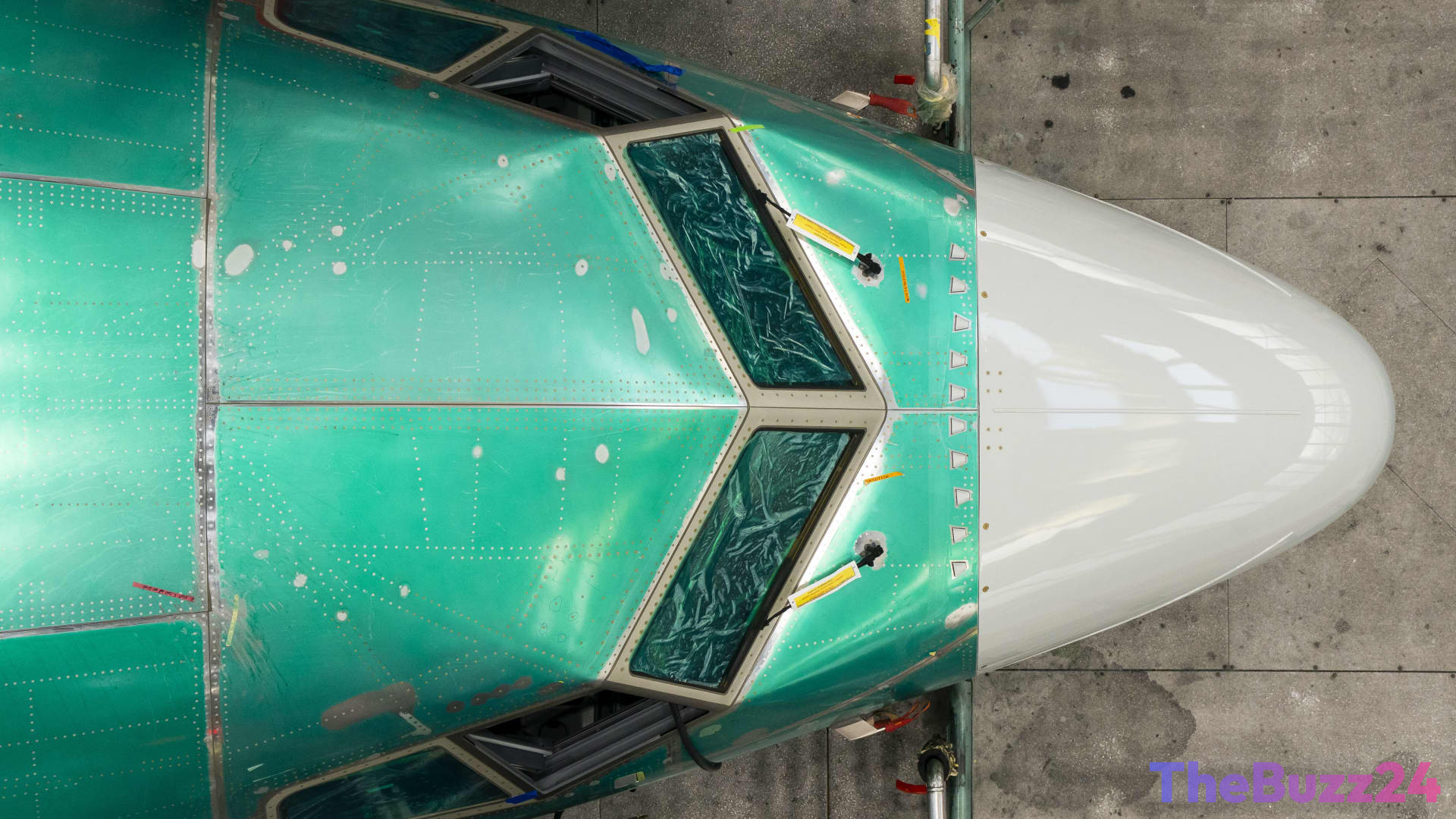
The Federal Aviation Administration (FAA) has announced that Boeing can once again issue its own airworthiness certificates for the 737 Max and 787 Dreamliner aircraft. This significant decision marks a crucial step in Boeing’s ongoing efforts to restore confidence in its manufacturing processes and safety protocols, following years of intense scrutiny.
This authority was initially stripped from the aerospace giant in the wake of two catastrophic 737 Max crashes in 2018 and 2019, which led to a global grounding of the fleet and raised serious questions about the aircraft’s design and Boeing’s oversight. For a period, the FAA had taken over the responsibility of certifying these aircraft, and more recently, since September, had implemented a system where the FAA and Boeing alternated weeks in issuing these critical certificates.
The FAA’s decision to fully return this responsibility to Boeing stems from an eight-month review period. During this time, the agency observed that production quality findings were comparable whether Boeing or the FAA issued the airworthiness certificates. This consistency led the FAA to conclude that it could safely reinstate Boeing’s full authority. Boeing, in response, affirmed its commitment to continued collaboration with the FAA, emphasizing its dedication to building safe, high-quality commercial airplanes that meet all certification requirements.
This reinstatement represents a substantial vote of confidence from the U.S. government and its primary aviation regulator for Boeing, one of the nation’s largest exporters. It comes after a challenging period for the company, which, in addition to the earlier crashes, faced another near-catastrophe in January 2024 when a door plug detached from a new 737 Max 9 mid-flight. The move suggests a positive trajectory for Boeing as it strives to overcome its safety crises and rebuild its reputation.
Key Takeaways
- The FAA has fully restored Boeing's authority to issue airworthiness certificates for its 737 Max and 787 Dreamliner aircraft.
- This authority was initially revoked following fatal 737 Max crashes in 2018 and 2019, leading to years of heightened regulatory oversight.
- The decision is based on the FAA's observation of comparable production quality findings during an eight-month period of shared certification responsibilities, signaling renewed confidence in Boeing's manufacturing processes.
Editor’s Analysis & Impact
The FAA’s decision to reinstate Boeing’s self-certification authority is a pivotal moment for the aerospace giant, signaling a significant step towards regaining trust and operational efficiency. For the market, this move is likely to be perceived positively, potentially boosting investor confidence in Boeing’s recovery trajectory and its ability to streamline aircraft deliveries. While not a complete exoneration, it indicates that Boeing has made tangible progress in addressing the quality control and safety concerns that plagued it for years.
Looking ahead, this development could accelerate Boeing’s production rates and reduce bottlenecks associated with external certification. However, the company will remain under intense public and regulatory scrutiny, especially given recent incidents like the 737 Max 9 door plug detachment. The broader implication is a delicate balance between industry self-regulation and robust government oversight. This decision suggests a renewed, albeit cautious, partnership, emphasizing that while authority is returned, the expectation for unwavering safety and quality remains paramount for Boeing’s long-term success and reputation.
Frequently Asked Questions
Q: What does it mean for Boeing to 'issue airworthiness certificates'?
A: Issuing an airworthiness certificate means that Boeing can officially declare its newly manufactured 737 Max and 787 Dreamliner aircraft meet all the necessary safety and design standards required by the FAA for flight. This is a critical final step before an aircraft can be delivered to an airline and enter service.
Q: Why was Boeing's authority to issue these certificates initially revoked?
A: The Federal Aviation Administration (FAA) revoked this authority following two fatal crashes involving the 737 Max aircraft in 2018 and 2019. These incidents raised serious concerns about the aircraft's design, Boeing's production quality, and the effectiveness of its internal safety oversight processes.
Q: What led the FAA to restore this certification authority to Boeing?
A: The FAA stated that over the past eight months, during a period where the FAA and Boeing alternated in issuing certificates, they observed comparable production quality findings regardless of who performed the certification. This consistency indicated to the FAA that Boeing had made sufficient improvements to safely resume this responsibility.
AI Disclosure: This article is based on verified data and official reports. Our Team and AI have cross-referenced every financial detail with primary sources to ensure total accuracy.
More from this Category