Activist Hospitalized After 20-Day Hunger Strike Amid Education Reform Protests
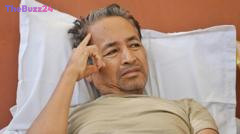
Sonam Wangchuk, a prominent Indian activist and educationist, has been forcibly taken to a hospital after sustaining his hunger strike for 20 days in Delhi. The 59-year-old was protesting in support of the Cockroach Janta Party (CJP), a satirical movement advocating for significant educational reforms in India. Wangchuk, who had been subsisting solely on salt and water in harsh summer conditions and had lost over 9 kilograms, was removed from his protest site by authorities.
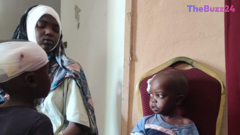
Videos circulating from the protest location showed a forceful intervention by dozens of police and paramilitary personnel early Saturday morning. Protesters attempting to intervene were reportedly pushed aside as Wangchuk was covered and removed from the stage, with an ambulance subsequently seen departing the scene. His wife, Gitanjali Angmo, confirmed his admission to Safdarjung Hospital, expressing concerns about his medical treatment and demanding that no interventions be made without family and doctor consent.
Hospital authorities stated that Wangchuk was fully alert and stable, albeit weak and mildly dehydrated due to the prolonged fast. His vital signs were reported as normal, and he remains under medical observation. A senior police official indicated that the relocation was executed in accordance with a Delhi High Court order from Thursday, which mandated the monitoring of Wangchuk’s health and provision of necessary medical care. The court order followed increasing pressure from opposition parties and civil society leaders for the government to address the protesters’ demands.
Despite his deteriorating health, Wangchuk had remained resolute in his commitment to participate in a planned march to India’s parliament. Following his hospitalization, Abhijeet Dipke, the founder of CJP, has commenced an indefinite fast in Wangchuk’s stead. Dipke vowed that the march to parliament would proceed as scheduled, escalating the movement’s demands to include the resignation of Prime Minister Narendra Modi, in addition to Education Minister Dharmendra Pradhan, whom the CJP holds responsible for alleged irregularities in national examinations.
Key Takeaways
- Activist Sonam Wangchuk was hospitalized after a 20-day hunger strike protesting educational reforms.
- Authorities forcibly removed Wangchuk from his protest site following a court order to monitor his health.
- The protest movement, CJP, has escalated demands, calling for the Prime Minister's resignation and vowing to continue planned marches.
Editor’s Analysis & Impact
The forceful hospitalization of Sonam Wangchuk highlights the escalating tensions surrounding educational reform protests in India. The government’s action, while citing medical necessity and a court order, has drawn sharp criticism from opposition parties, who decry it as an assault on democratic expression. The CJP’s decision to escalate demands and continue the march signals a potential intensification of the movement. This situation underscores a broader concern about the handling of dissent and the perceived lack of engagement from the government on critical issues like examination integrity, which deeply affects India’s youth. The outcome could influence future protest dynamics and government responses to civil activism.
Frequently Asked Questions
Q: Who is Sonam Wangchuk and why was he on a hunger strike?
A: Sonam Wangchuk is an Indian activist and educationist known for his work in Ladakh. He was on a hunger strike for 20 days to protest against alleged irregularities and paper leaks in India's competitive examinations, supporting the demands of the Cockroach Janta Party (CJP) for educational reforms.
Q: What is the Cockroach Janta Party (CJP)?
A: The Cockroach Janta Party (CJP) is described as an online satirical movement that began in May to protest against paper leaks and other issues in India's top exams. The protesters, who refer to themselves as cockroaches, have gained a significant social media following and are demanding accountability from the government.
Q: What were the demands of the protesters?
A: Initially, the protesters demanded the resignation of the Education Minister, Dharmendra Pradhan, following the cancellation of a medical entrance exam due to a paper leak. After Wangchuk's hospitalization, the CJP escalated their demands to include the resignation of Prime Minister Narendra Modi.
AI Disclosure: This article is based on verified data and official reports. Our Team and AI have cross-referenced every financial detail with primary sources to ensure total accuracy.
More from this Category