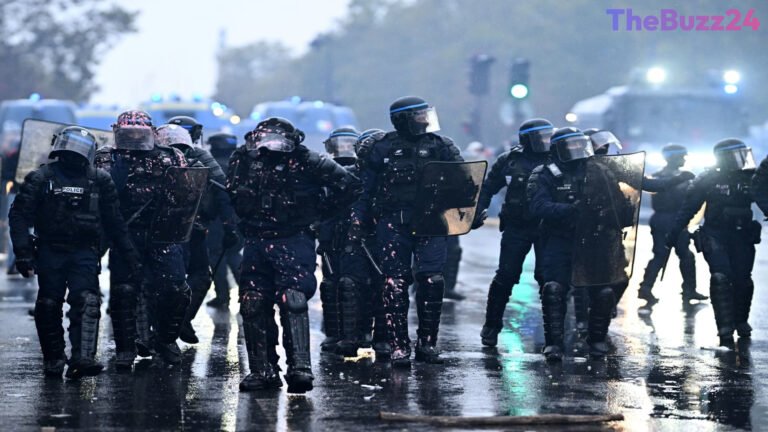
Escalating Tensions: Two US Service Members Killed in Iranian Attack on Jordan
Two United States service members were killed and one remains missing following a series of ballistic missile and drone strikes launched by Iran against targets in Jordan. The incident marks a significant escalation in the ongoing conflict, which has seen a rapid deterioration of diplomatic efforts and a collapse of preliminary ceasefire agreements established earlier this summer.
United States Central Command (Centcom) confirmed that while several other personnel were medically evacuated for treatment, they have since been discharged or returned to duty. Military officials have withheld the identities of the deceased and the missing individual, citing the need to notify next-of-kin. Meanwhile, the Islamic Revolutionary Guard Corps has claimed responsibility for the strikes, alleging they successfully targeted military infrastructure at the Al-Azraq base, a claim that remains under review by international observers.
The regional security environment has become increasingly volatile as the United States reimposed blockades on Iranian ports and Tehran responded by declaring the Strait of Hormuz closed to traffic. This closure has effectively halted a critical global shipping artery, threatening the flow of oil and liquefied natural gas. In response to the heightened danger, the U.S. Department of State has issued a global travel advisory, urging citizens in the Middle East to exercise extreme caution as the potential for further unforeseen escalation remains high.
As the conflict enters its seventh consecutive night of active strikes, both sides have been accused of targeting critical infrastructure, including power plants and transportation hubs. While the United States maintains that its operations are strictly limited to military targets, reports from the region indicate significant damage to civilian-adjacent facilities. The Gulf Cooperation Council has condemned the targeting of infrastructure, labeling such actions as potential war crimes, while diplomatic channels remain largely frozen as both nations trade threats of further military action.
Key Takeaways
- Two U.S. service members were killed and one is missing following Iranian missile and drone strikes in Jordan.
- The closure of the Strait of Hormuz by Iran has disrupted a vital global energy shipping route.
- Diplomatic efforts have collapsed, with both the U.S. and Iran engaging in a cycle of retaliatory strikes and infrastructure targeting.
Editor’s Analysis & Impact
The current escalation between the United States and Iran represents a critical inflection point for global markets and regional stability. The closure of the Strait of Hormuz is particularly alarming, as it serves as a primary chokepoint for global energy supplies; any prolonged disruption here will inevitably trigger significant volatility in oil and gas prices, impacting global inflation. Furthermore, the shift toward targeting critical infrastructure—such as power plants and water facilities—suggests that the conflict is moving away from traditional military engagement toward a strategy of attrition that could have long-term humanitarian and economic consequences. Future outlooks remain grim, as the lack of a viable diplomatic framework and the hardening of rhetoric from both Washington and Tehran suggest that the conflict is likely to intensify before any potential for de-escalation can be realized.
Frequently Asked Questions
Q: Why is the closure of the Strait of Hormuz significant?
A: The Strait of Hormuz is one of the world's most important oil transit chokepoints, through which approximately one-fifth of the world's oil and liquefied natural gas passes. Its closure disrupts global energy supply chains and causes immediate price spikes.
Q: What is the current status of the Iran-US ceasefire?
A: The preliminary ceasefire agreement, which was established in June, has completely collapsed. Both sides have accused the other of repeated breaches, leading to a resumption of active military strikes and the reimposition of economic blockades.
AI Disclosure: This article is based on verified data and official reports. Our Team and AI have cross-referenced every financial detail with primary sources to ensure total accuracy.
More from this Category