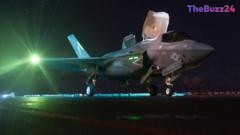
Escalating Tensions: U.S. Launches Sustained Strikes Against Iranian Military Targets
The United States has intensified its military campaign against Iran, launching a ninth consecutive night of airstrikes aimed at degrading Tehran’s offensive capabilities. These operations, which have targeted military infrastructure and communications networks, are described by U.S. leadership as a direct response to the recent deaths of three American service members killed in Jordan and Iraq. The strikes are intended to curb Iran’s ability to disrupt maritime traffic in the critical Strait of Hormuz.
In retaliation, Iranian forces have reportedly engaged in counter-operations, including a surprise strike in Syria and the targeting of aircraft at Jordan’s Aqaba airport. Furthermore, Kuwaiti armed forces confirmed the interception of Iranian drones, signaling a widening regional impact. Reports from within Iran indicate that multiple cities, including Tabriz and Chabahar, have sustained damage, while state media claims that two oil tankers were destroyed while navigating the Strait of Hormuz—a claim that U.S. Central Command has formally disputed.
The Islamic Revolutionary Guard Corps (IRGC) has issued a stern warning, threatening to halt all petrochemical and oil transit through the strait as long as U.S. military actions persist. Despite the aggressive posturing on both sides, U.S. officials maintain that a diplomatic path remains available. However, the collapse of a mid-June ceasefire agreement has left the region in a precarious state, with international observers concerned about the long-term stability of global shipping lanes and the potential for a broader conflict.
Key Takeaways
- The U.S. has conducted nine consecutive nights of airstrikes against Iranian military and communication targets following the deaths of three American soldiers.
- Iran has threatened to block the Strait of Hormuz to all oil and gas shipments in retaliation for the ongoing U.S. military operations.
- Diplomatic efforts have largely stalled after the breakdown of a June ceasefire agreement, leading to increased regional instability.
Editor’s Analysis & Impact
The current escalation between the U.S. and Iran represents a significant shift in Middle Eastern geopolitical dynamics, moving from proxy skirmishes to direct, sustained military engagement. By targeting the Strait of Hormuz, Iran is leveraging its control over a vital global energy chokepoint, which threatens to spike oil prices and disrupt international trade. The breakdown of the June peace deal suggests that both nations are currently prioritizing military deterrence over diplomatic resolution. The broader implication is a high-risk environment where miscalculation could lead to a full-scale regional war. Investors and global markets should prepare for continued volatility in energy sectors and shipping insurance premiums as long as the security of the Strait remains in question.
Frequently Asked Questions
Q: Why are the U.S. and Iran currently engaged in military strikes?
A: The U.S. launched strikes in response to the deaths of three American soldiers in Jordan and Iraq, aiming to diminish Iran's ability to threaten maritime traffic in the Strait of Hormuz.
Q: What is the significance of the Strait of Hormuz in this conflict?
A: The Strait of Hormuz is a critical international waterway for global oil and gas transit. Iran has threatened to close this route to all petrochemical products in retaliation for U.S. military actions.
AI Disclosure: This article is based on verified data and official reports. Our Team and AI have cross-referenced every financial detail with primary sources to ensure total accuracy.
More from this Category