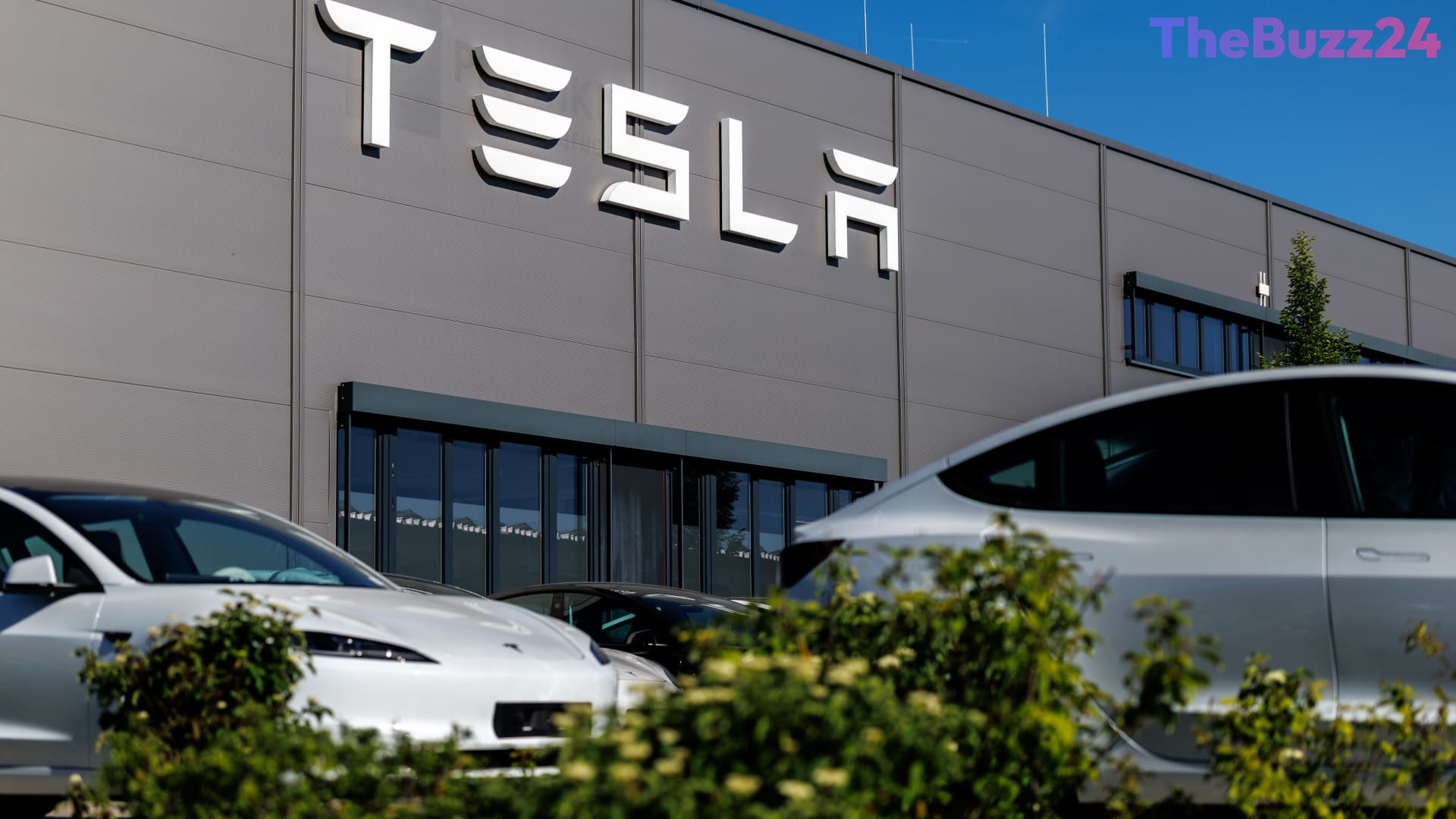
Tesla Faces High Stakes as Second-Quarter Earnings Approach
Tesla is heading into its second-quarter earnings report under intense scrutiny, as the electric vehicle manufacturer faces a complex landscape of market expectations and competitive pressures. Despite recent delivery figures that surpassed analyst consensus, the company’s stock has struggled to maintain momentum, signaling that investors have already priced in significant growth. This market behavior suggests that merely meeting expectations may no longer be sufficient to satisfy Wall Street, as the bar for performance has been set exceptionally high.
Beyond the immediate financial results, Tesla is navigating a shifting automotive sector. While the company has long dominated the mass-market SUV segment with its Model 3 and Model Y, new entrants like Rivian are increasingly targeting this space with competitive pricing and fresh designs. Although these rivals currently lack the massive production scale of Tesla, their growing presence is putting pressure on margins and forcing a re-evaluation of Tesla’s long-term dominance in the EV market.
Furthermore, the narrative surrounding Tesla’s valuation has become increasingly tied to speculative technologies, including humanoid robotics and autonomous driving software. However, investor sentiment is pivoting toward companies that can demonstrate tangible, near-term financial returns rather than long-term promises. With technical indicators showing signs of bearish momentum and options markets pricing in significant volatility, the upcoming earnings release serves as a critical test for the company’s ability to justify its premium valuation in a cooling EV market.
Key Takeaways
- Tesla's stock is facing downward pressure as market expectations for earnings have reached a point where even positive delivery data fails to trigger a rally.
- Increased competition from manufacturers like Rivian is challenging Tesla's core market share in the mass-market SUV segment, putting pressure on profit margins.
- Investor focus is shifting away from long-term AI and robotics promises toward companies with immediate, verifiable financial performance.
Editor’s Analysis & Impact
The upcoming earnings report for Tesla represents a pivotal moment in its transition from a high-growth EV disruptor to a mature, multi-faceted technology firm. The market’s current skepticism reflects a broader trend where investors are demanding fiscal discipline over speculative ‘optionality.’ If Tesla fails to provide concrete evidence of margin stabilization or clear progress in its non-automotive ventures, the stock could face a period of prolonged consolidation. Looking ahead, the company must balance the capital-intensive nature of its robotics and AI ambitions with the reality of a more crowded and price-sensitive EV market. The broader implication is that the ‘Tesla premium’—the valuation multiple historically granted for its innovation—is being recalibrated to align more closely with traditional automotive manufacturing realities, unless the company can deliver a breakthrough in its software or robotics monetization strategies.
Frequently Asked Questions
Q: Why did Tesla's stock not rally after beating delivery expectations?
A: The market had already priced in strong delivery numbers, meaning the positive data was viewed as the baseline rather than a catalyst for further growth.
Q: How are competitors like Rivian impacting Tesla's market position?
A: Competitors are targeting Tesla's core mass-market SUV segment with new models, which forces Tesla to defend its market share and potentially face margin compression.
AI Disclosure: This article is based on verified data and official reports. Our Team and AI have cross-referenced every financial detail with primary sources to ensure total accuracy.
More from this Category