Leadership Shakeup at Center for AI Standards and Innovation as Director Resigns
The Center for AI Standards and Innovation (CAISI) is facing a leadership transition following the resignation of its director, Chris Fall, just three months after his appointment. Fall, who was selected by the Trump administration in April to lead the agency, stepped down from his post this week. The Department of Commerce has confirmed that Arvind Raman, the director of the National Institute of Standards and Technology, will assume the role of acting director while continuing his existing oversight responsibilities.
CAISI serves as a critical component of the U.S. Department of Commerce, tasked with facilitating collaborative research and rigorous testing of commercial artificial intelligence systems. The sudden departure of Fall adds to a broader atmosphere of uncertainty regarding the administration’s long-term strategy for AI policy. This vacancy follows the earlier exit of David Sacks, who previously served as the White House AI and crypto czar, leaving a significant gap in the administration’s technology leadership.
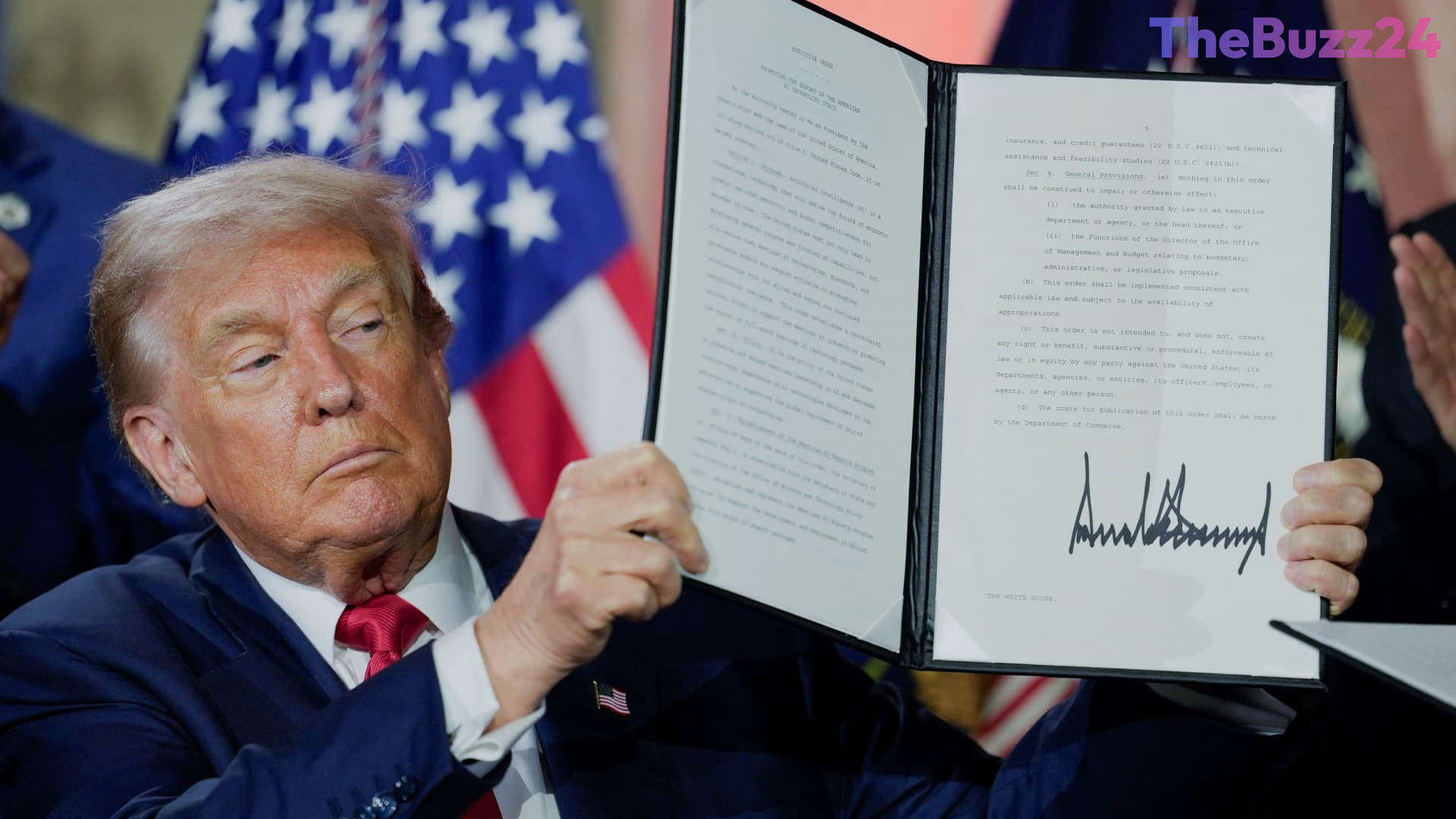
This leadership change occurs at a pivotal moment for the domestic AI industry, which is currently navigating increased competition from international players. Notably, Chinese startups have recently introduced open-source models that claim to rival the performance of leading U.S. systems from companies like OpenAI and Anthropic. As the White House continues to implement its June executive order—which mandates that developers submit models for government evaluation—the industry remains focused on how these regulatory frameworks will evolve under new leadership.
Key Takeaways
- Chris Fall has resigned as director of the Center for AI Standards and Innovation (CAISI) after only three months in the role.
- Arvind Raman, director of the National Institute of Standards and Technology, will serve as the acting head of CAISI.
- The resignation highlights ongoing instability in the Trump administration's AI policy leadership as it attempts to regulate powerful new models amid rising global competition.
Editor’s Analysis & Impact
The resignation of Chris Fall underscores the significant challenges the current administration faces in establishing a stable regulatory framework for artificial intelligence. With the departure of key figures like David Sacks and now Fall, the government’s ‘hands-on’ approach to AI oversight—characterized by the recent executive order and the ‘Gold Eagle’ clearinghouse—risks appearing disjointed to industry stakeholders. The primary concern for the market is the lack of a consistent point person to navigate the complex intersection of national security, export controls, and innovation. As U.S. firms like OpenAI and Anthropic face increasing pressure from international competitors, the absence of clear, long-term leadership at agencies like CAISI could lead to regulatory bottlenecks, potentially slowing the domestic deployment of cutting-edge models and creating an environment of uncertainty for investors and developers alike.
Frequently Asked Questions
Q: What is the primary function of the Center for AI Standards and Innovation (CAISI)?
A: CAISI is a division of the U.S. Department of Commerce responsible for facilitating testing and collaborative research regarding commercial artificial intelligence systems.
Q: Who is currently leading CAISI following Chris Fall's resignation?
A: Arvind Raman, the director of the National Institute of Standards and Technology, has been appointed as the acting director of CAISI.
AI Disclosure: This article is based on verified data and official reports. Our Team and AI have cross-referenced every financial detail with primary sources to ensure total accuracy.
More from this Category