Houthi Maritime Embargo Threatens Red Sea Oil Routes Amid Escalating U.S.-Iran Conflict
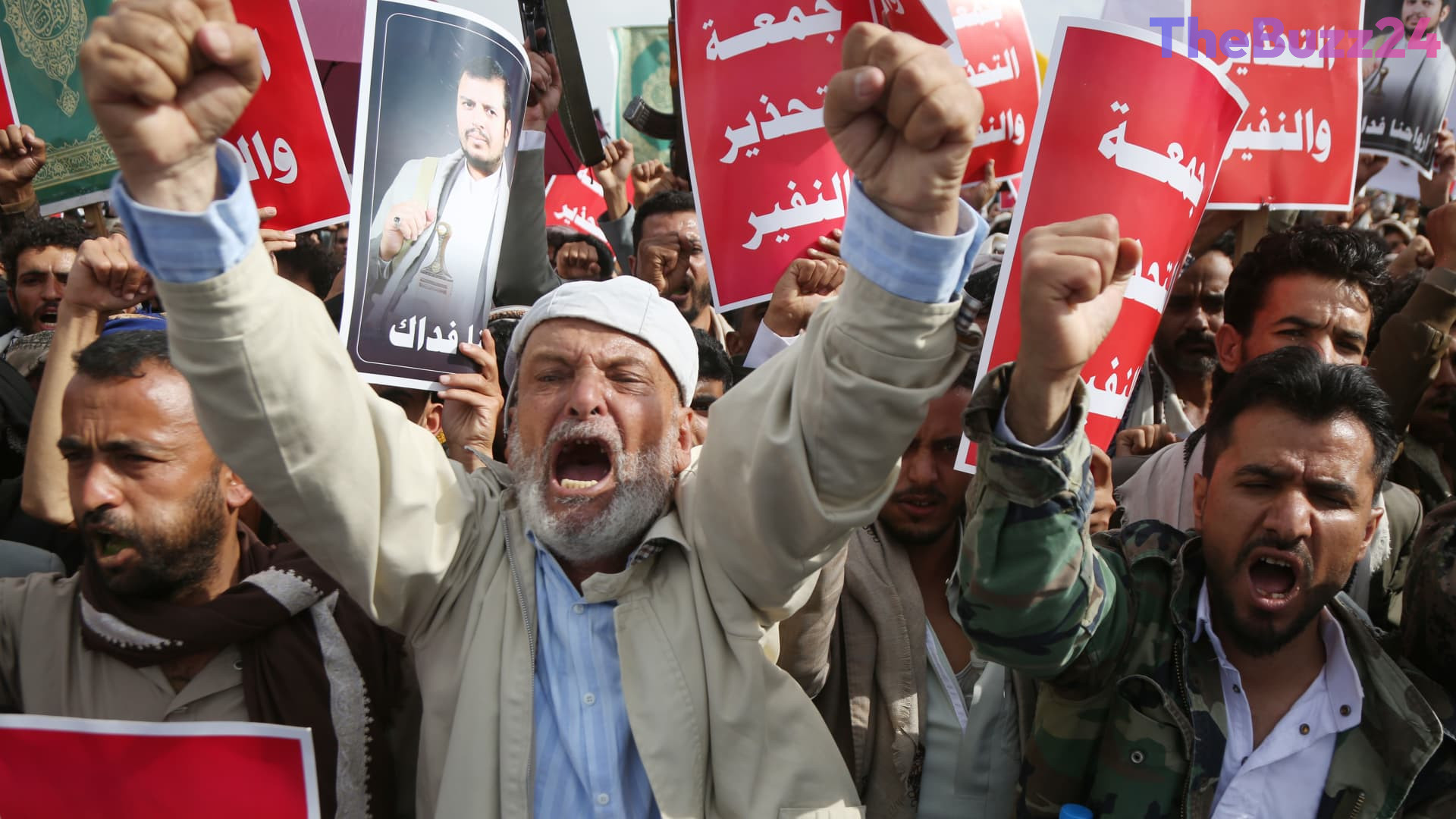
The Houthi militant group in Yemen has officially declared a maritime embargo against Saudi Arabia, significantly heightening the risk to global energy supplies. This move targets the Bab el-Mandeb Strait, a critical maritime choke point connecting the Red Sea to the Gulf of Aden. The declaration follows a period of intense regional instability, with the Houthis citing alleged Saudi military actions in Sanaa as the primary justification for the blockade.
This development comes as Saudi Arabia relies heavily on Red Sea export terminals to bypass the Strait of Hormuz, where ongoing hostilities between the United States and Iran have disrupted tanker traffic. By threatening to close the Bab el-Mandeb passage, the Houthis are effectively attempting to cut off the primary relief valve for global oil markets. The collapse of recent diplomatic efforts to stabilize the Strait of Hormuz has already forced a reduction in tanker traffic, leaving global energy logistics increasingly fragile.
While oil prices experienced volatility—briefly surging past $90 per barrel—the market has shown a degree of resilience as investors weigh the threat against potential diplomatic de-escalation. The U.S. military continues to maintain a presence in the region, attempting to secure shipping lanes even as the conflict with Iran intensifies. The situation remains fluid, with the potential for further supply chain disruptions if the embargo is enforced or if the broader conflict continues to escalate.
Key Takeaways
- Houthi militants have declared a maritime embargo on Saudi Arabia, targeting the strategic Bab el-Mandeb Strait.
- The blockade threatens to disrupt oil exports that were already diverted to the Red Sea due to instability in the Strait of Hormuz.
- Global oil markets remain volatile as the ongoing U.S.-Iran conflict continues to threaten critical maritime shipping lanes.
Editor’s Analysis & Impact
The declaration of a maritime embargo by the Houthis represents a significant tactical shift in the regional conflict, moving beyond localized skirmishes to threaten global energy security. By targeting the Bab el-Mandeb Strait, the militants are attempting to weaponize energy logistics, which could force a sharp increase in global oil prices if sustained. The market’s current ‘wait-and-see’ approach suggests that traders are banking on U.S. naval intervention to keep these lanes open. However, the broader implication is a permanent risk premium being added to energy commodities. If the conflict between the U.S. and Iran continues to deteriorate, the ability of Saudi Arabia to export oil via the Red Sea will become the next major flashpoint, potentially leading to a severe supply shock that could impact global inflation and economic stability.
Frequently Asked Questions
Q: Why is the Bab el-Mandeb Strait important to the global oil market?
A: The Bab el-Mandeb Strait is a vital maritime choke point that connects the Red Sea to the Gulf of Aden. It serves as a critical route for oil tankers, especially when alternative routes like the Strait of Hormuz are compromised.
Q: How has the conflict between the U.S. and Iran affected oil shipping?
A: The conflict has led to attacks on oil tankers and the collapse of diplomatic agreements to keep the Strait of Hormuz open, forcing Saudi Arabia and other nations to divert oil shipments to Red Sea terminals, which are now also under threat.
AI Disclosure: This article is based on verified data and official reports. Our Team and AI have cross-referenced every financial detail with primary sources to ensure total accuracy.
More from this Category