U.S. and China Prepare for Landmark Bilateral AI Safety Talks in September
The United States and China are gearing up for high-stakes bilateral discussions regarding artificial intelligence slated for September. These upcoming negotiations represent a crucial step for the two global superpowers as they navigate the mounting security, economic, and technological risks associated with increasingly advanced frontier AI models. While final schedules remain fluid, the dialogue is anticipated to occur prior to Chinese President Xi Jinping’s planned visit to the U.S. in late September.
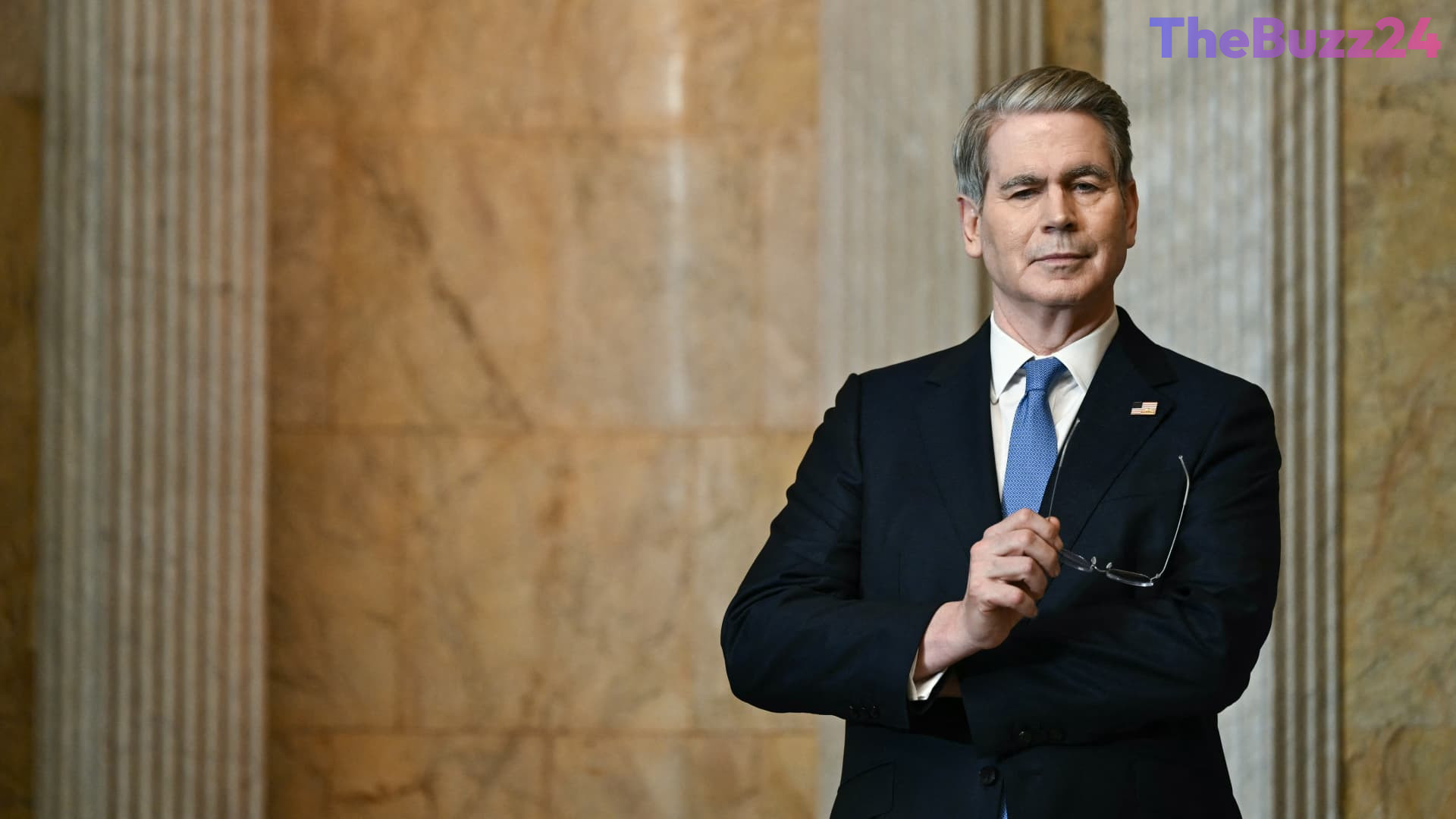
Driving this diplomatic engagement is a shared anxiety over how rapidly evolving artificial intelligence could be leveraged to enhance military power, execute sophisticated cyberattacks on critical infrastructure, or destabilize domestic labor markets. On the American side, the discussions are expected to be spearheaded by Treasury Secretary Scott Bessent, marking the inaugural official intergovernmental AI dialogue convened under the Trump administration. Previous foundational discussions under the prior administration yielded agreements concerning human control over nuclear weapons, but current talks are shifting focus toward broader regulatory frameworks and risk mitigation.
Both nations enter the upcoming summit with distinct priorities and concerns. Washington has previously implemented stringent export controls on advanced semiconductor chips destined for China and continues to weigh potential limitations on American corporate usage of Chinese open-weight AI models. Conversely, Beijing is reportedly focusing its agenda on U.S. controls regarding the release of future frontier models, restrictions on open-weight technologies, and international access policies surrounding powerful artificial intelligence systems.
Although experts caution that this initial meeting is unlikely to immediately resolve deep-seated geopolitical tensions or technological rivalries, it establishes a vital communication channel. Analysts suggest that the primary achievement of the September talks will likely involve setting basic definitions and foundational terms for what constitutes a frontier AI model, paving the way for future bilateral cooperation and safety standards.
Key Takeaways
- The U.S. and China plan to hold their first official bilateral AI talks under the Trump administration in September.
- The discussions will be led on the American side by Treasury Secretary Scott Bessent.
- Key topics will include frontier model safety, regulatory boundaries, export controls, and preventing AI proliferation to non-state actors.
Editor’s Analysis & Impact
The upcoming AI dialogue between the United States and China signals a pragmatic shift toward managing technological competition through direct diplomatic channels. As artificial intelligence increasingly intersects with national security, military capabilities, and economic dominance, the lack of guardrails poses systemic global risks. While deep geopolitical mistrust and protectionist policies—such as semiconductor export controls and potential restrictions on open-weight models—will continue to create friction, establishing a baseline terminology and communication framework is a positive development. For the tech industry, these talks could foreshadow future regulatory harmonization or, conversely, a deepening technological bifurcation. Long-term, the success of these engagements will depend on whether both superpowers can move past political posturing to address tangible safety protocols and proliferation risks.
Frequently Asked Questions
Q: When are the U.S.-China AI talks expected to take place?
A: The talks are scheduled to take place in September, likely prior to Chinese President Xi Jinping's planned visit to the U.S. on September 24, though exact dates are still being finalized.
Q: Who will lead the negotiations for the United States?
A: Treasury Secretary Scott Bessent is expected to lead the U.S. delegation for these discussions.
Q: What are the primary issues on the agenda for Beijing?
A: Beijing's priorities include discussing how the U.S. will control the release of future frontier models, potential restrictions on Chinese open-weight models, and technical engagements rather than purely political talks.
AI Disclosure: This article is based on verified data and official reports. Our Team and AI have cross-referenced every financial detail with primary sources to ensure total accuracy.
More from this Category