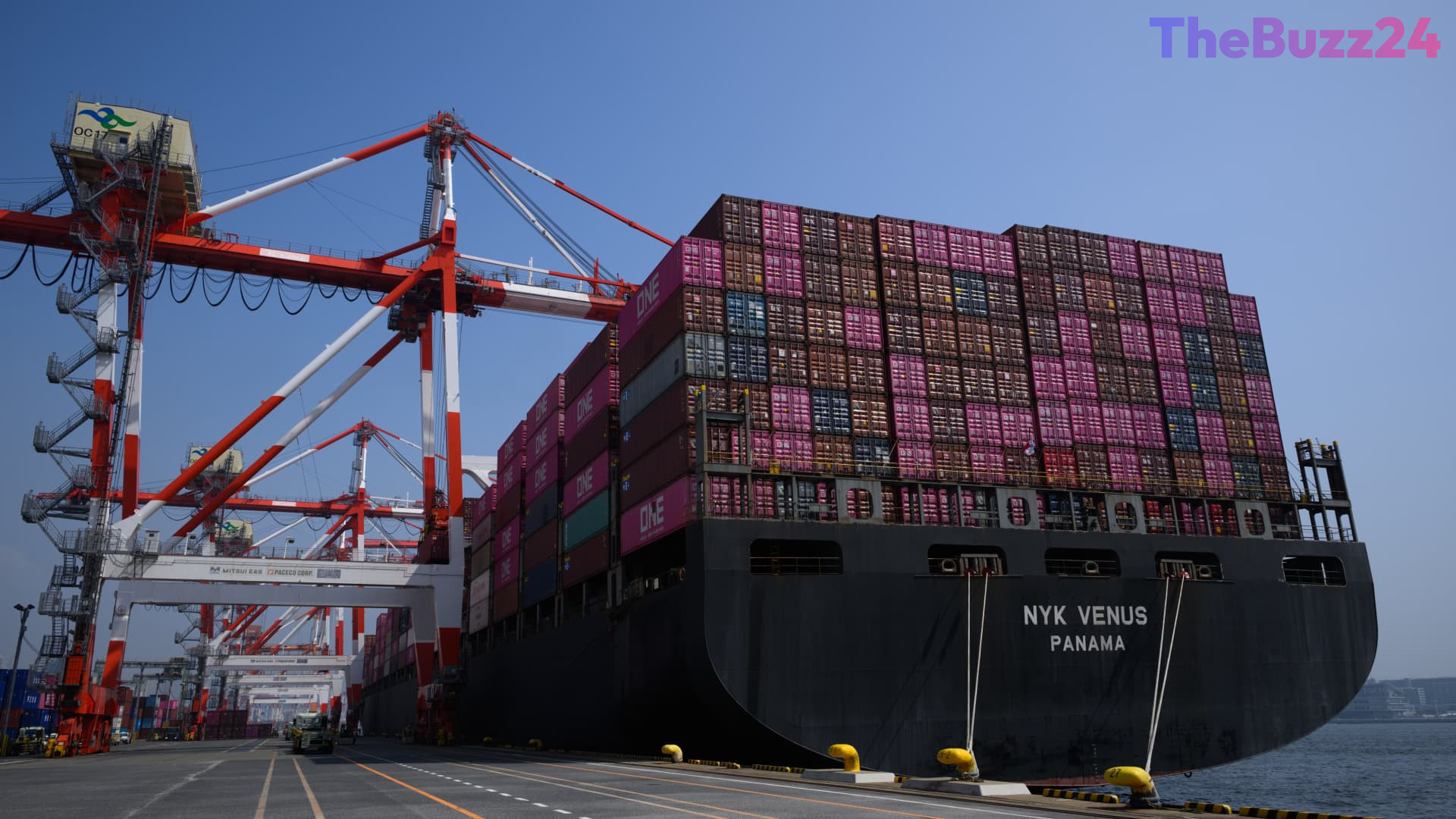
Japan’s June Exports and Imports Surge to Multi-Year Highs Amid Weak Yen and AI Boom
Japan experienced its most rapid expansion in both exports and imports since late 2022 during the month of June, surpassing market projections. Driven heavily by the ongoing global artificial intelligence boom and a persistently weak domestic currency, exports climbed 19.3% compared to the previous year, outpacing the 16.8% increase recorded in May and beating consensus economist forecasts.
At the heart of this export surge was a massive demand for semiconductor equipment, which saw shipments skyrocket by 53.8%. Geographically, shipments to the broader Asian market grew by 22.7%, highlighted by an extraordinary 46.4% jump in exports to Taiwan. Meanwhile, exports to China, Japan’s primary trading partner, advanced 17.6%, and shipments to the United States increased by 13%. However, analysts note that the impressive headline growth in export value was largely driven by currency effects and pricing rather than volume, with physical shipping volumes inching up by a modest 0.2%.
On the import side, goods entering the country surged by 25.4% year-on-year, significantly higher than the anticipated 21% growth. This import expansion was heavily influenced by a 59.3% spike in petroleum acquisitions, as the nation manages elevated global energy costs driven by geopolitical tensions in the Middle East. With Japan heavily reliant on foreign energy to meet more than 87% of its domestic requirements, these rising import costs underscore the vulnerabilities of its resource-dependent economy.
The confluence of a depreciated yen—hovering near historic lows around 163 against the US dollar—and robust global tech demand has fundamentally shaped Japan’s recent economic trajectory. While the weak currency inflates the nominal value of exports and strains import costs, the overall momentum has successfully alleviated immediate fears of an economic slowdown, offering a reassuring tailwind for the domestic financial markets.
Key Takeaways
- Japan's exports grew by 19.3% in June, marking the fastest pace since November 2022 and beating economist expectations.
- The surge was heavily powered by a 53.8% increase in semiconductor equipment shipments and strong demand from Asian markets like Taiwan and China.
- Imports also soared 25.4% year-on-year, driven significantly by a 59.3% jump in petroleum costs amidst a persistently weak yen.
Editor’s Analysis & Impact
The latest trade data from Japan highlights a fascinating dichotomy between nominal monetary expansion and actual physical volume growth. While the headline figures for exports and imports look exceptionally strong, the meager 0.2% rise in export volumes reveals that the weak yen is doing much of the heavy lifting by inflating nominal values rather than reflecting a massive surge in underlying production volume. Nevertheless, the alignment with the global artificial intelligence boom provides a vital structural tailwind. As long as semiconductor demand remains robust, Japanese tech-adjacent manufacturers and suppliers will continue to benefit. However, the heavy reliance on imported energy, compounded by a weak currency and volatile oil prices, introduces persistent inflationary pressures that the Bank of Japan must carefully navigate in upcoming monetary policy decisions.
Frequently Asked Questions
Q: What drove Japan's export growth in June?
A: The export growth was primarily driven by shipments of semiconductor equipment fueled by the global AI boom, alongside the economic effects of a historically weak yen.
Q: How did the weak yen affect Japan's trade data?
A: The weak yen significantly inflated the nominal value of exports and imports. While export values surged by nearly 20%, actual shipping volumes only increased by 0.2%, and import costs were driven higher.
Q: Why did Japan's imports increase so sharply?
A: Imports surged by 25.4% year-on-year, largely due to a 59.3% jump in petroleum imports as the country faced higher global energy prices and met the vast majority of its energy needs from abroad.
AI Disclosure: This article is based on verified data and official reports. Our Team and AI have cross-referenced every financial detail with primary sources to ensure total accuracy.
More from this Category