IBM Faces Market Turbulence as Mainframe Sales Stumble Amid AI Infrastructure Shift
IBM recently reported a challenging quarter that fell significantly short of Wall Street expectations, triggering the company’s largest single-day stock decline in history. Despite maintaining strong overall financial health with $17.2 billion in revenue and $9.9 billion in gross profit, the company’s infrastructure segment experienced a sharp 42% decline in mainframe sales. This downturn is particularly critical for IBM, as the company typically generates three dollars in software revenue for every dollar of mainframe hardware sold.
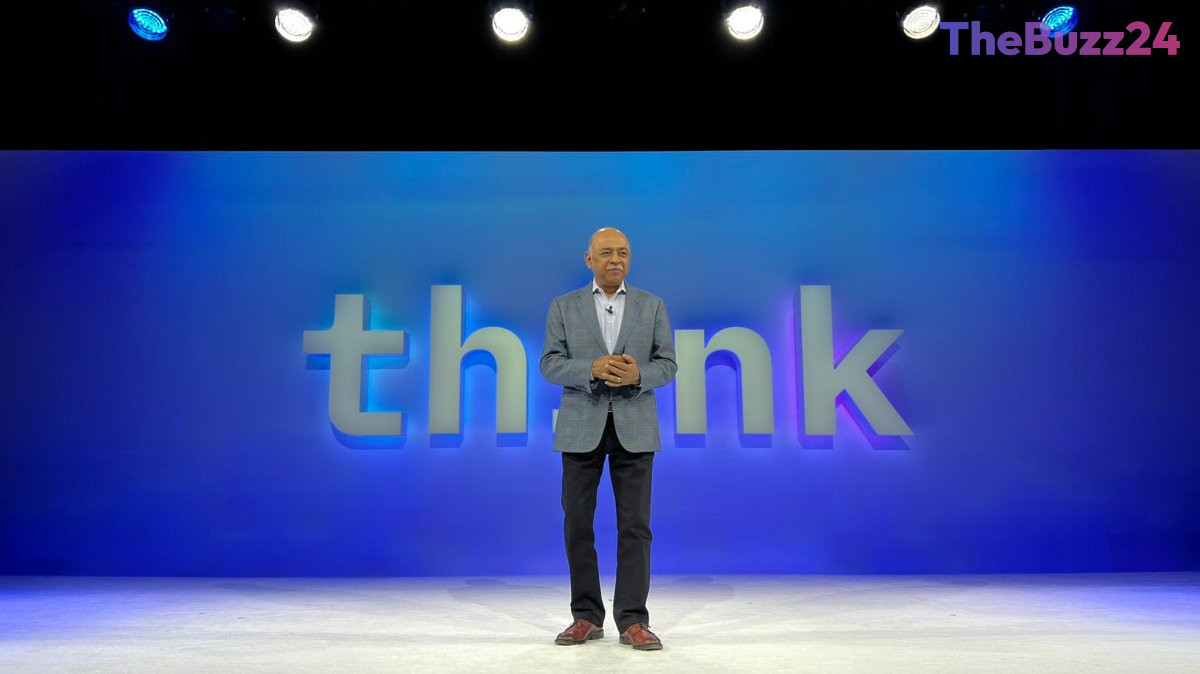
CEO Arvind Krishna and CFO Jim Kavanaugh attributed the shortfall to a strategic shift in customer spending. Faced with rising costs for general data center hardware and PCs—driven by the broader industry-wide AI infrastructure boom—several major clients opted to reallocate their budgets toward these high-priced components rather than upgrading their mainframe systems. This trend reflects the intense pressure enterprises are under to secure AI-ready hardware, even at the expense of traditional infrastructure cycles.
Despite the immediate market reaction, IBM leadership maintains that the mainframe business remains robust and that the current dip is a temporary anomaly rather than a structural decline. Executives noted that they have seen no evidence of clients abandoning the mainframe platform and reported that some delayed purchases have already begun to materialize in the current quarter. As the tech industry continues to evolve, IBM remains confident that its core infrastructure will continue to serve as a foundational element for enterprise computing.
Key Takeaways
- IBM experienced a record-breaking single-day stock drop following a significant miss in quarterly earnings expectations.
- Mainframe hardware sales plummeted 42% as enterprise clients diverted budgets to cover rising costs for AI-related data center hardware.
- IBM leadership insists the decline is temporary, citing that the mainframe remains a critical, long-term asset for their clients.
Editor’s Analysis & Impact
The recent volatility in IBM’s stock highlights a broader tension in the enterprise technology sector: the ‘AI tax.’ As companies scramble to build out AI-capable data centers, the resulting surge in demand for memory and specialized hardware has created a supply-side inflation that is cannibalizing IT budgets. IBM’s reliance on the mainframe ecosystem creates a unique vulnerability; when hardware cycles are delayed, the downstream impact on high-margin software revenue is immediate. While the company’s long-term outlook remains tied to its ability to integrate AI into its existing infrastructure, the market is clearly signaling impatience. Investors are currently prioritizing immediate growth and stability over the promise of future mainframe renewals, suggesting that IBM must prove its AI-driven software strategy can offset hardware cyclicality sooner rather than later.
Frequently Asked Questions
Q: Why did IBM's mainframe sales drop so sharply?
A: The drop was primarily caused by enterprise clients reallocating their budgets to purchase expensive AI-related data center hardware and PCs, which have seen significant price increases due to the current AI infrastructure boom.
Q: Is the mainframe business dying as some industry analysts suggest?
A: IBM leadership denies this, stating that there is no evidence of clients moving away from the platform and that the recent sales decline is a temporary budgetary shift rather than a permanent loss of interest.
AI Disclosure: This article is based on verified data and official reports. Our Team and AI have cross-referenced every financial detail with primary sources to ensure total accuracy.
More from this Category