Revolutionizing Orbit: New Robotic Mission Set to Extend Satellite Lifespans
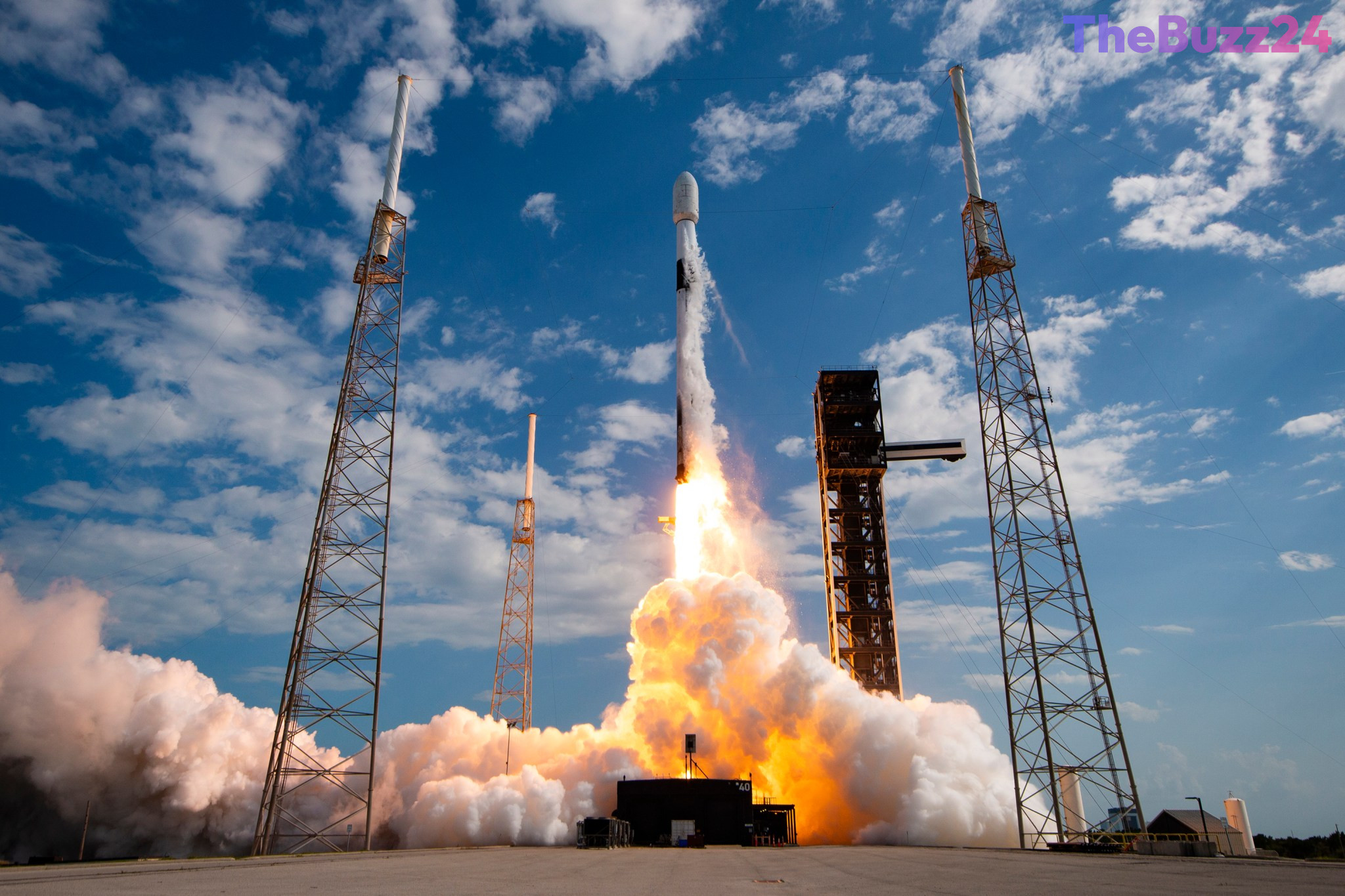
A groundbreaking mission aimed at transforming satellite maintenance has officially launched, with a Mission Robotic Vehicle (MRV) successfully lifting off from Cape Canaveral aboard a SpaceX Falcon 9 rocket. This mission carries the Robotic Servicing of Geosynchronous Satellites (RSGS) payload, a sophisticated initiative designed to perform complex repairs and upgrades on spacecraft currently operating in geosynchronous Earth orbit.
The RSGS program, funded by the Defense Advanced Research Projects Agency (DARPA), utilizes twin dexterous robotic arms engineered by the U.S. Naval Research Laboratory. These advanced tools are integrated into Northrop Grumman’s MRV, which serves as the nation’s first multi-mission robotic in-space servicer. By installing specialized propulsion modules known as mission extension pods, the vehicle can effectively refuel and upgrade satellites that would otherwise be decommissioned due to fuel depletion or outdated hardware.
NASA has played a pivotal role in this endeavor, contributing expertise derived from decades of experience with the Hubble Space Telescope and robotic refueling missions on the International Space Station. Through an interagency agreement, NASA’s Goddard Space Flight Center is providing essential flight operator support, dynamic simulation tools, and performance verification software. This collaboration marks a significant step toward establishing a sustainable infrastructure for in-space servicing, assembly, and manufacturing, ultimately fostering a more cost-effective and innovative environment for space commerce.
Key Takeaways
- The Mission Robotic Vehicle (MRV) has launched to provide in-orbit servicing, including refueling and hardware upgrades for satellites.
- The project is a collaborative effort between DARPA, NASA, and Northrop Grumman, utilizing robotic arms developed by the U.S. Naval Research Laboratory.
- By extending the operational life of satellites, the mission aims to reduce space waste and improve the economic efficiency of orbital assets.
Editor’s Analysis & Impact
The launch of the RSGS mission represents a paradigm shift in the space economy. Historically, satellites were considered ‘dead’ once their fuel reserves were exhausted, leading to significant capital loss and orbital debris. By enabling in-orbit servicing, this mission transitions space infrastructure from a disposable model to a sustainable, maintainable one. This capability is likely to disrupt the satellite manufacturing industry, as operators may shift focus toward modular designs that can be upgraded rather than replaced. Furthermore, the success of this mission could pave the way for more complex in-space assembly projects, such as large-scale telescopes or permanent orbital platforms. As private and government entities continue to crowd geosynchronous orbit, the ability to repair and extend the life of existing assets will become a critical strategic and economic advantage for space-faring nations.
Frequently Asked Questions
Q: What is the primary goal of the RSGS mission?
A: The primary goal is to extend the operational life of satellites in geosynchronous orbit by performing in-space repairs, refueling, and hardware upgrades.
Q: How does the robotic vehicle extend a satellite's life?
A: The vehicle uses twin robotic arms to install 'mission extension pods,' which are small propulsion modules that provide the necessary fuel and capabilities to keep a satellite operational for additional years.
AI Disclosure: This article is based on verified data and official reports. Our Team and AI have cross-referenced every financial detail with primary sources to ensure total accuracy.
More from this Category