Skyroot’s Triumphant Launch Positions India Among Elite Global Space Powers
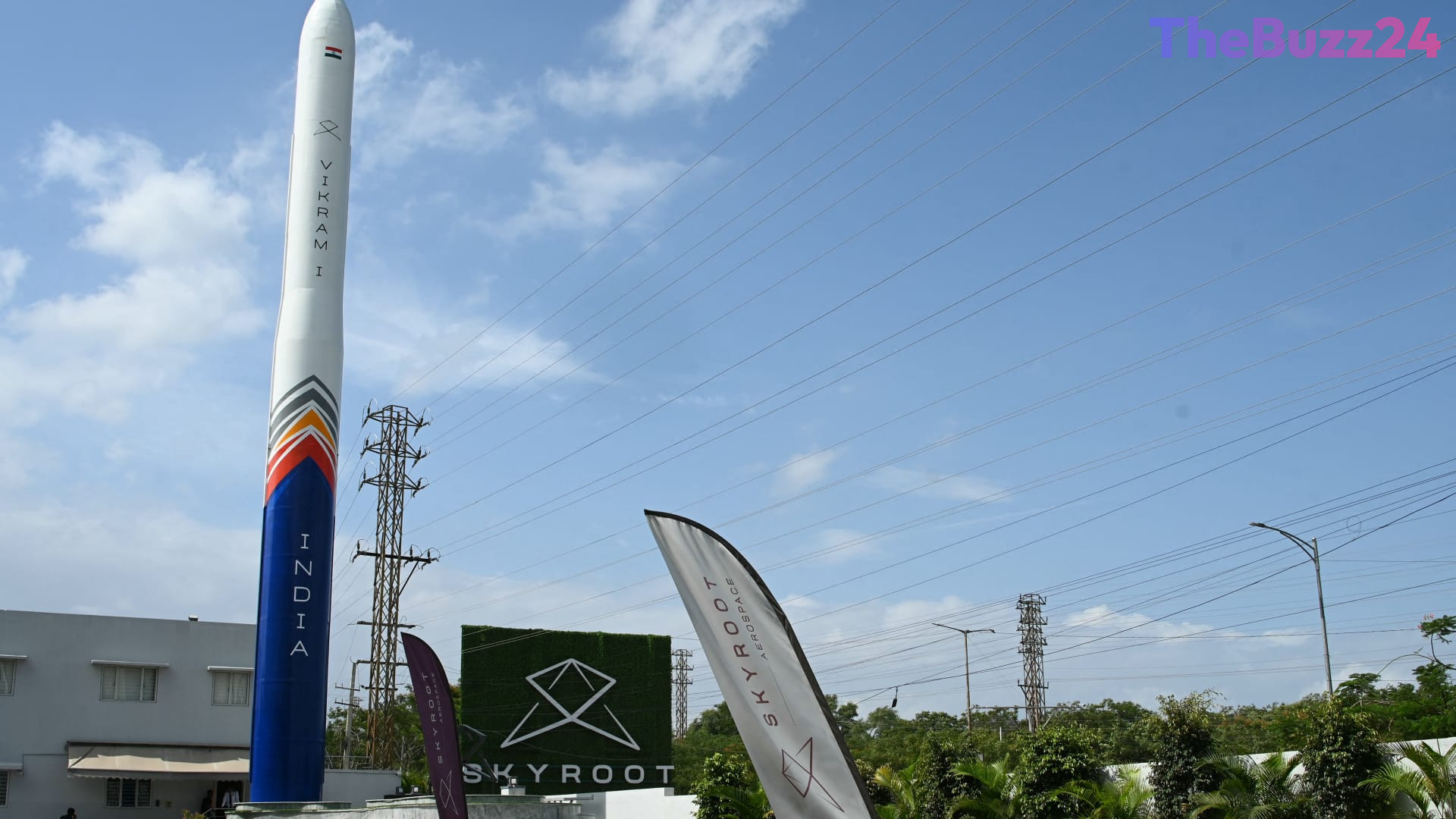
Indian space-tech startup Skyroot has successfully completed a crucial low-orbit test flight carrying a 350-kilogram payload, officially cementing India’s status alongside the United States and China in private orbital launch capabilities. Founded by former employees of the state-run Indian Space Research Organization, the company is preparing to launch full-scale commercial operations by 2027, targeting a cadence of one flight every month following a final test later this year.
The successful test positions Skyroot to compete directly in the lucrative sub-1,000 kg satellite launch market. Industry analysts estimate the global addressable market for small-payload launchers reached $5 billion, driven by surging demand for dedicated, orbit-on-demand services. Unlike larger rideshare rockets that often drop payloads into approximate orbits requiring subsequent maneuvering, small dedicated launchers provide precise placement and customized schedules for satellite operators.
Skyroot aims to disrupt the sector through aggressive cost-competitiveness. Drawing on India’s legacy of executing highly economical space missions, the startup has maintained lean operations, contrasting with the high-burn-rate strategies common among Western counterparts. Backed by major institutional investors including GIC and BlackRock, Skyroot has raised roughly $150 million since its inception in 2018, positioning the company as a financially disciplined contender in the rapidly expanding commercial space economy.
Key Takeaways
- Skyroot successfully test-launched a low-orbit rocket with a 350-kg payload, placing India alongside the U.S. and China in private orbital capabilities.
- The company plans to initiate commercial operations in 2027 with a target of one flight per month.
- Skyroot leverages a low-cost operational model to compete in the expanding sub-1,000 kg satellite launch market.
Editor’s Analysis & Impact
Skyroot’s successful orbital test flight marks a watershed moment for India’s emerging private space sector. By proving it can execute low-cost, reliable launches, Skyroot is challenging the traditional hegemony held by American and Chinese aerospace firms in the small-payload segment. The market for sub-1,000 kg launches is experiencing structural tailwinds as satellite operators increasingly demand dedicated delivery schedules rather than congested rideshare options. While Indian space startups have historically faced tighter funding constraints compared to their Western and state-backed Chinese rivals, institutional backing from heavyweights like BlackRock and GIC signals growing global confidence in India’s cost-efficiency model. If Skyroot successfully transitions to commercial operations in 2027, it could fundamentally reshape the economics of small satellite deployment and attract deeper pools of patient capital to the region.
Frequently Asked Questions
Q: When does Skyroot plan to start commercial operations?
A: Skyroot plans to officially begin commercial operations in 2027, with a target of launching one flight every month following a final test flight later in the year.
Q: What market segment is Skyroot targeting?
A: Skyroot is targeting the sub-1,000 kg satellite launch market, competing with international firms like Rocket Lab, Firefly Aerospace, and several Chinese private space companies.
Q: How much funding has Skyroot raised to date?
A: Since its founding in 2018, Skyroot has raised approximately $150 million from various investors, including major institutional players like GIC and BlackRock.
AI Disclosure: This article is based on verified data and official reports. Our Team and AI have cross-referenced every financial detail with primary sources to ensure total accuracy.
More from this Category