Oil Surges Amid Tanker Attack Off Saudi Arabia and Escalating US-Iran Tensions
Global oil markets experienced a significant surge in prices following a reported attack on a tanker off the coast of Saudi Arabia, coupled with heightened geopolitical tensions between the United States and Iran. The incident, which saw a vessel struck by an unidentified projectile, reignited concerns over the security of vital shipping lanes and the stability of crude oil supplies from the Middle East.
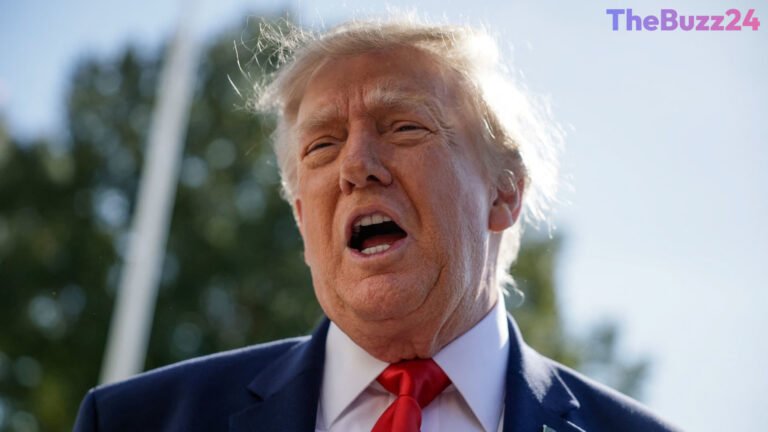
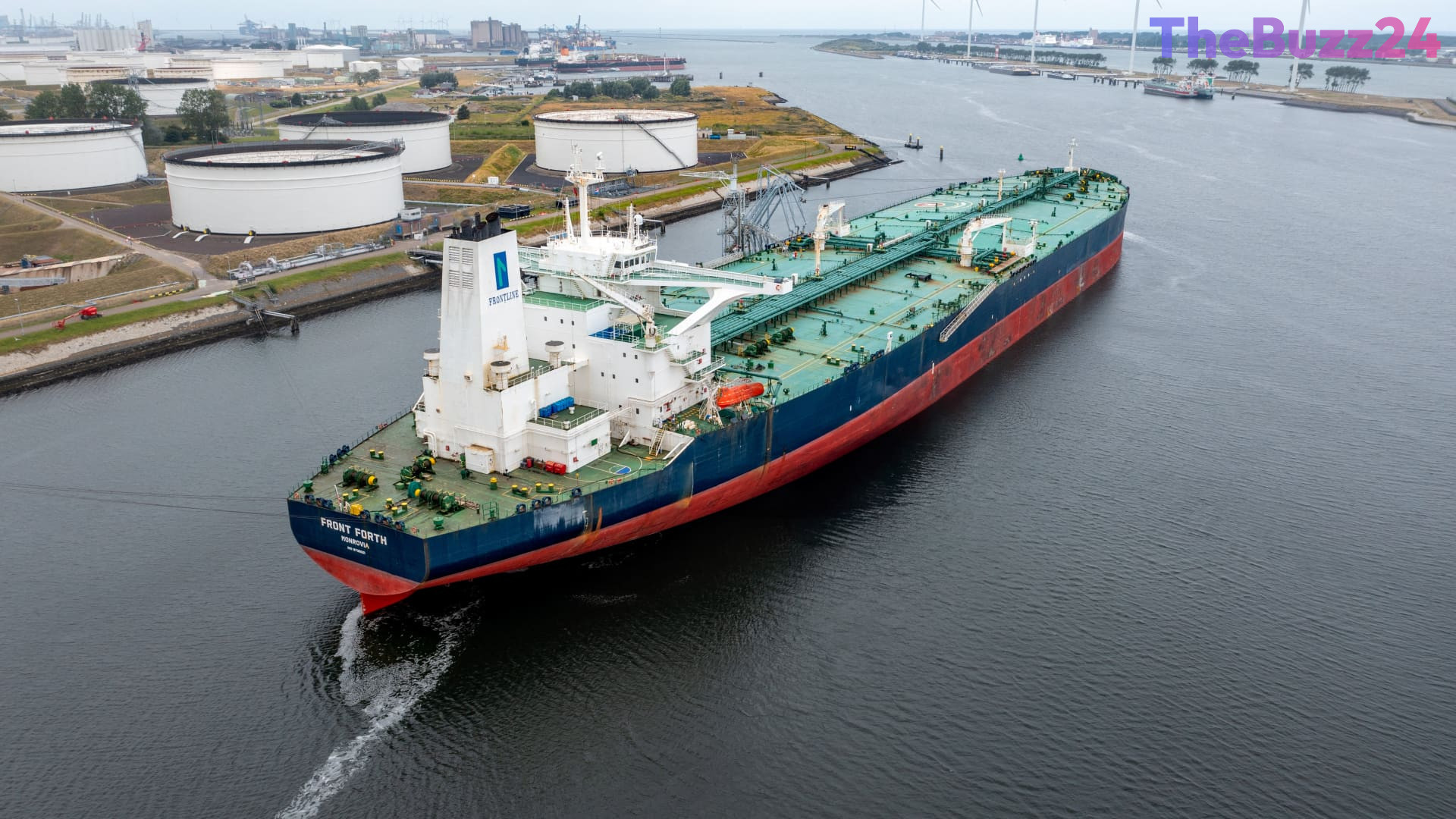
The United Kingdom Maritime Trade Operations (UKMTO) reported that a tanker was hit approximately 70 nautical miles southwest of Al Shuqaiq, sparking a fire onboard that the crew was actively battling. While no casualties were reported, the event immediately sent ripples through the energy sector. This development occurred amidst a backdrop of escalating rhetoric, with former U.S. President Donald Trump issuing a stern warning that the U.S. would target Iranian infrastructure, such as bridges or power plants, in response to any attacks on ships traversing the strategic Strait of Hormuz.
In a direct counter-response, Iranian officials cautioned that any American strikes on its territory would be met with retaliation against U.S.-linked infrastructure and energy assets across the broader region. This exchange of threats underscores the fragile security environment in the Persian Gulf, particularly after the recent breakdown of a U.S.-Iran ceasefire. Brent crude futures for September delivery climbed by 2% to $95.99 per barrel, while U.S. West Texas Intermediate (WTI) crude futures advanced by approximately 1.7% to $88.27 per barrel, reflecting the market’s immediate reaction to the increased risk premium. The renewed volatility in oil prices highlights the critical role of the Strait of Hormuz, a narrow waterway through which a significant portion of the world’s seaborne oil passes.
Key Takeaways
- Global oil prices surged following a reported tanker attack off Saudi Arabia and heightened US-Iran tensions.
- Former U.S. President Donald Trump threatened to bomb Iranian infrastructure if ships in the Strait of Hormuz are attacked, prompting a retaliatory warning from Iran.
- The incidents underscore significant risks to global crude supplies and shipping security in the Persian Gulf, impacting market stability.
Editor’s Analysis & Impact
The recent spike in oil prices reflects a significant increase in geopolitical risk premium, primarily driven by the escalating tensions in the Persian Gulf. The reported tanker attack and the exchange of threats between the U.S. and Iran highlight the extreme vulnerability of global energy supply chains, particularly the Strait of Hormuz. This situation could lead to sustained oil price volatility, impacting global inflation and economic growth. Future outlook hinges critically on diplomatic efforts to de-escalate, as continued instability could disrupt shipping, increase insurance costs, and potentially draw in other regional actors. Businesses reliant on stable energy prices and secure maritime trade routes face heightened uncertainty, necessitating contingency planning for supply chain resilience.
Frequently Asked Questions
Q: What caused the recent surge in oil prices?
A: Oil prices surged due to a reported attack on a tanker off Saudi Arabia and escalating tensions between the United States and Iran, which raised concerns about disruptions to global crude supplies from the Middle East.
Q: What is the significance of the Strait of Hormuz in this context?
A: The Strait of Hormuz is a critical maritime choke point through which a substantial portion of the world's seaborne oil passes. Threats to shipping in this strait directly impact global oil supply and prices, making it a focal point of geopolitical tensions.
Q: How did the U.S. and Iran respond to the escalating situation?
A: Former U.S. President Donald Trump threatened to bomb Iranian infrastructure if ships in the Strait of Hormuz were attacked. In response, Iran warned it would retaliate against U.S.-linked infrastructure and energy assets across the region if such strikes were carried out.
AI Disclosure: This article is based on verified data and official reports. Our Team and AI have cross-referenced every financial detail with primary sources to ensure total accuracy.
More from this Category