Congress Divided: War Powers Resolutions on Iran Conflict Fail Amidst Escalation and Rising Oil Prices
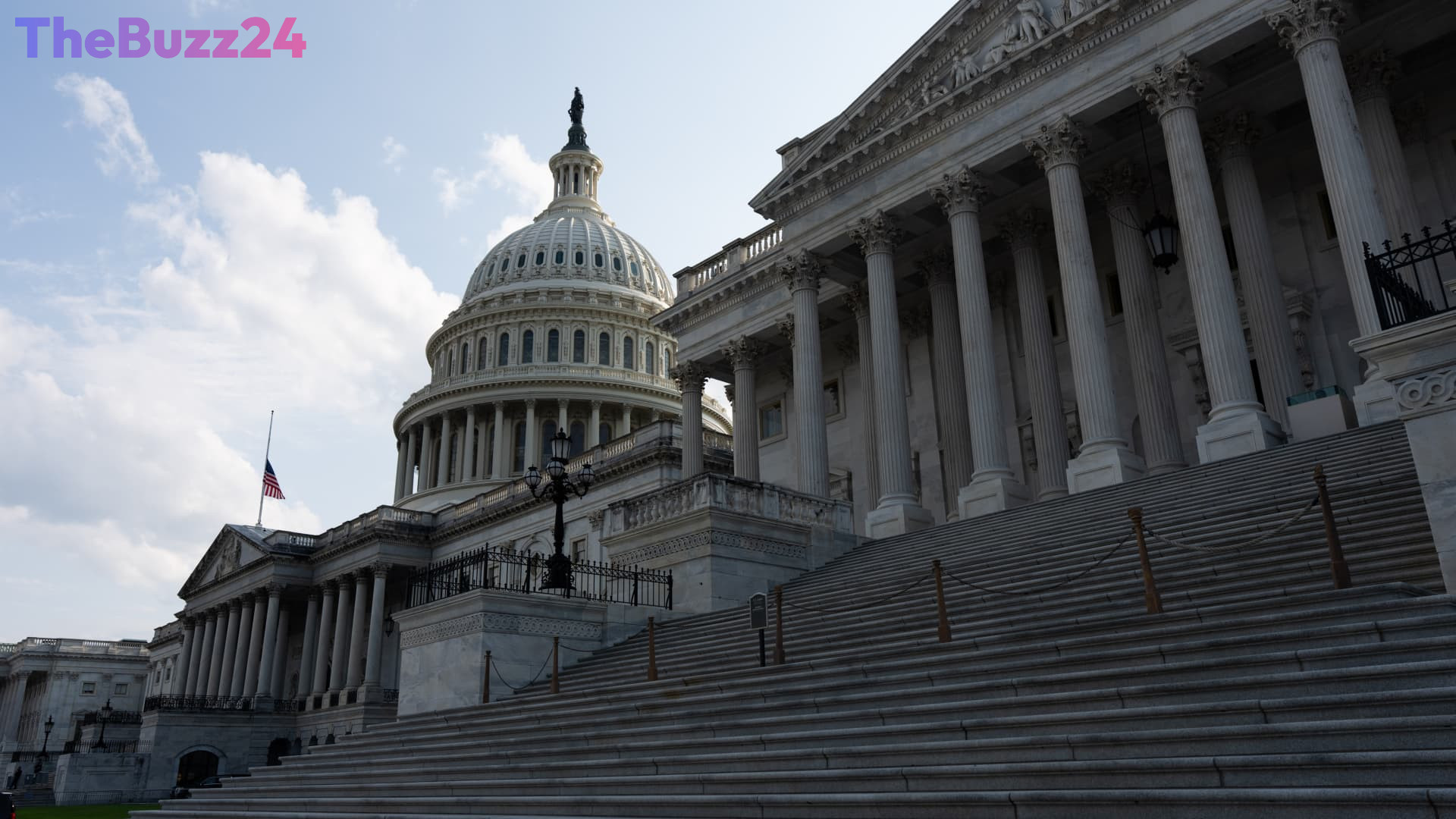
Lawmakers in Washington have demonstrated a significant rift regarding the ongoing conflict with Iran, as two separate war powers resolutions aimed at curtailing President Donald Trump’s military actions failed to advance. The Senate narrowly voted down a joint resolution designed to compel the President to end hostilities, while the House of Representatives passed a concurrent resolution expressing congressional disapproval of the war.
These votes mark the first legislative action since President Trump notified Congress of his decision to re-engage in hostilities following a collapse in peace negotiations. The resurgence of conflict, occurring just months before crucial midterm elections, introduces a volatile element that could potentially disrupt the Republican party’s efforts to maintain its slim majority in Congress. The Senate’s vote, which concluded with a 47-49 tally against the resolution, represented the initial Senate attempt to halt the war since its recommencement.
Despite the legislative setbacks, proponents of the resolutions emphasized the need for congressional accountability. Senator Chris Van Hollen, a key proponent, stated, “There is no good way out of a bad war. This is an opportunity for this Congress to finally take responsibility.” However, opposition voices, such as Senator John Kennedy, argued that forcing a presidential withdrawal mid-conflict would undermine American credibility on the global stage. Kennedy also suggested that voters’ primary concerns remain focused on economic issues, such as the cost of living, rather than the war itself.
While the House’s concurrent resolution, which passed by a 214-208 margin, does not require presidential signature, it serves as a strong statement of Congress’s opposition. The renewed conflict has had tangible economic consequences, contributing to a surge in oil prices, with Brent crude surpassing $100 per barrel and U.S. crude exceeding $91. Average gasoline prices have also climbed to $4.09 per gallon nationwide, according to AAA.
Key Takeaways
- Two war powers resolutions aimed at ending U.S. hostilities in Iran failed to pass in the Senate and House.
- The votes occurred amidst escalating conflict and a significant rise in global oil prices.
- Lawmakers are divided on the necessity and timing of congressional intervention in the conflict, with economic concerns also highlighted.
Editor’s Analysis & Impact
The failure of these war powers resolutions underscores a deep partisan divide in Congress regarding foreign policy and the executive branch’s authority in military engagements. While a majority in the House expressed disapproval, the Senate’s rejection, coupled with the President’s likely veto power, effectively sidelines legislative attempts to de-escalate the conflict. The concurrent rise in oil prices and gasoline costs adds an economic dimension that could influence public opinion and future political strategies. This situation highlights the complex interplay between geopolitical events, domestic politics, and economic stability, with potential implications for the upcoming midterm elections and U.S. foreign relations.
Frequently Asked Questions
Q: What is a War Powers Resolution?
A: A War Powers Resolution is a congressional action taken under the War Powers Act of 1973. It is intended to allow Congress to direct the President to end U.S. military involvement in hostilities when specific conditions are met, such as when U.S. armed forces are engaged in hostilities without a declaration of war or specific statutory authorization.
Q: What is the difference between a joint resolution and a concurrent resolution in this context?
A: A joint resolution, if passed by both houses and signed by the President, has the force of law. A concurrent resolution, passed by both houses but not requiring presidential signature, does not have the force of law but serves to express the sentiment or opinion of Congress.
Q: How do rising oil prices impact the U.S. economy?
A: Rising oil prices generally lead to higher gasoline costs for consumers, increasing transportation expenses for businesses and individuals. This can contribute to inflation, reduce consumer spending on other goods and services, and potentially slow economic growth.
AI Disclosure: This article is based on verified data and official reports. Our Team and AI have cross-referenced every financial detail with primary sources to ensure total accuracy.
More from this Category