Massive Solar and Battery Storage Facility Goes Live in Historic Utah Coal Hub
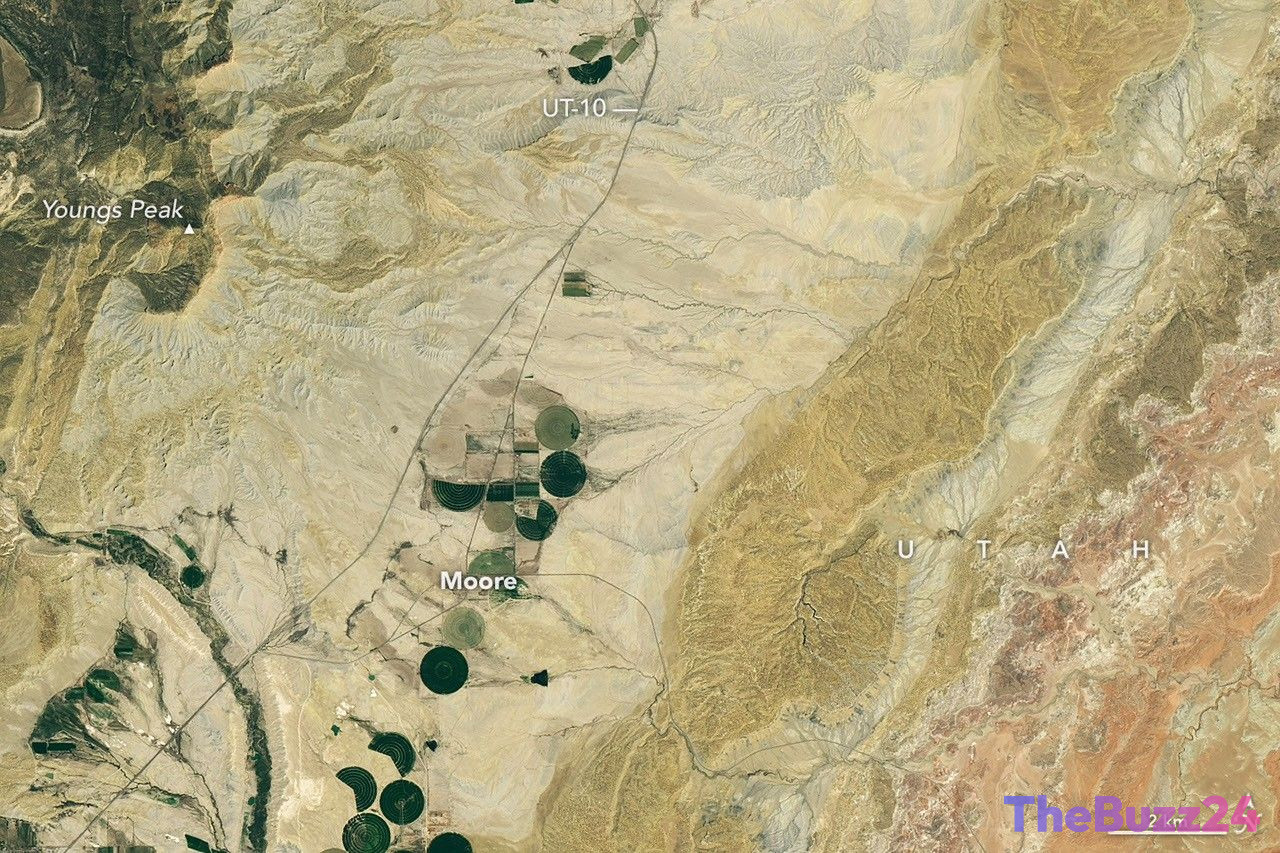
In a major milestone for the region’s shifting energy landscape, the Green River Energy Center has officially joined the electrical grid in central Utah’s Castle Valley. Located approximately 130 miles southeast of Salt Lake City, the newly completed complex spans several square miles of dry valley floor, signaling a dramatic technological transition for a region traditionally defined by coal mining since the late 19th century.
The massive facility incorporates nearly one million photovoltaic solar panels paired with approximately 500 utility-scale batteries. Featuring 400 megawatts of solar generation capacity alongside 400 megawatts of battery storage, the installation is projected to produce enough electricity to supply more than 100,000 homes in Salt Lake City and across the state. The integrated battery system allows the plant to dispatch clean energy around the clock, overcoming traditional intermittency challenges during hours without sunlight.
A key logistical advantage for the project is its strategic location. The Green River Energy Center directly utilizes existing high-voltage transmission lines originally constructed to serve surrounding coal-fired power plants, substantially reducing grid interconnection delays and infrastructure costs. Orbital imagery recorded by the Landsat 8 satellite highlights the rapid construction of the complex over a two-year period ending in mid-2026.
Utah’s broader energy landscape reflects this shift away from traditional fossil fuels. While coal supplied roughly 75 percent of the state’s electricity generation in 2015, that figure fell to around 50 percent by 2025. Over the same decade, solar generation expanded from near zero to roughly 14 percent of the total energy mix, highlighting a steady nationwide trend toward combining utility-scale solar generation with robust battery storage.
Key Takeaways
- The Green River Energy Center pairs 400 MW of solar capacity with 400 MW of battery storage using nearly one million solar panels.
- The utility-scale installation is capable of powering more than 100,000 homes across Utah, including the Salt Lake City metro area.
- By tapping into transmission lines originally built for coal plants, the facility accelerates grid integration while supporting Utah's shift toward cleaner energy sources.
Editor’s Analysis & Impact
The activation of the Green River Energy Center illustrates a growing industrial strategy: leveraging legacy fossil fuel infrastructure for modern renewable projects. Tapping into existing transmission corridors previously built for coal generation significantly lowers capital outlay and circumvents years of grid interconnection backlog. Moreover, matching 400 megawatts of solar generation with an equal capacity of battery storage directly addresses the intermittency issue that has historically limited renewable reliance. As regional power mixes shift—evidenced by Utah’s solar generation rising from near zero to 14 percent in a decade—co-located storage projects will likely set the baseline operational standard for modernizing utility grids across North America.
Frequently Asked Questions
Q: What is the generating capacity of the Green River Energy Center?
A: The facility features 400 megawatts of solar power capacity combined with 400 megawatts of battery storage capacity.
Q: How many homes can the new facility supply with electricity?
A: Project figures indicate the facility can generate and dispatch enough electricity to power over 100,000 households.
Q: Why was the facility built in Castle Valley, Utah?
A: In addition to high solar exposure and open land, Castle Valley offers existing high-voltage transmission infrastructure originally constructed for nearby coal-fired power plants.
AI Disclosure: This article is based on verified data and official reports. Our Team and AI have cross-referenced every financial detail with primary sources to ensure total accuracy.
More from this Category