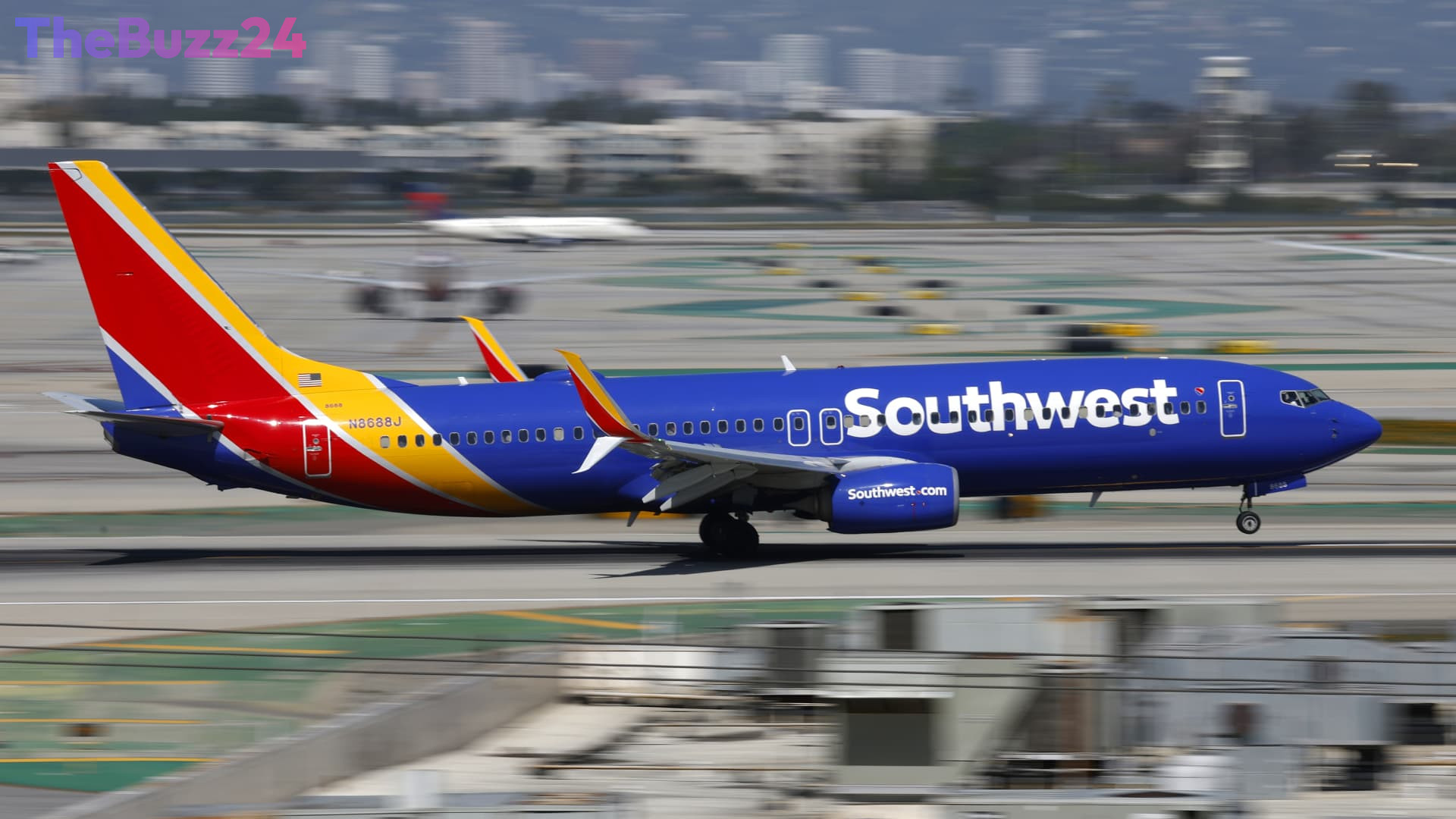
Southwest Airlines Navigates Supply Chain Snarls with Unprecedented Texas-to-LA Fuel Shipment
In a move highlighting the increasing volatility of global energy markets, Southwest Airlines recently undertook an unprecedented logistical operation, shipping a massive 12.6 million gallons of jet fuel from Texas to Los Angeles via a sea vessel. This significant shipment, which traversed the Panama Canal, marks the first time the Dallas-based carrier has utilized maritime transport for its fuel supply between the two states. The initiative was a direct response to growing concerns over potential fuel shortages and escalating prices on the West Coast.
The strategic deployment of this fuel, which arrived in Los Angeles on May 28, provided approximately a week’s worth of supply during a period of significant supply constriction. Southwest’s Chief Financial Officer, Tom Doxey, emphasized the critical timing of the delivery, noting it arrived when the West Coast’s fuel supply was most at risk. This region is notably more dependent on imported fuel compared to other parts of the United States, making it particularly vulnerable to market fluctuations and geopolitical events.
This innovative solution was facilitated by a temporary waiver of the Jones Act, a long-standing U.S. law mandating that goods transported between American ports must be carried on U.S.-flagged vessels. The waiver, granted in March amidst soaring fuel prices and shipping disruptions in key global waterways like the Strait of Hormuz, allowed Southwest to charter a vessel for this critical inter-coastal delivery. The airline reported a substantial increase in fuel expenses, nearly $900 million in the second quarter compared to the previous year, underscoring the financial pressure the industry is facing.
The broader airline industry is grappling with similar challenges. Fuel costs represent the second-largest operational expense for airlines after labor. While prices saw some easing in late spring and early summer, renewed geopolitical tensions have led to renewed price increases. Many carriers, including United Airlines, are now relying on the most current fuel price data for financial projections due to extreme market volatility. This environment has led airlines to reconsider fuel hedging strategies and adjust capacity growth plans, contributing to higher ticket prices that, despite the increases, are being absorbed by a strong consumer demand.
Key Takeaways
- Southwest Airlines transported 12.6 million gallons of jet fuel from Texas to Los Angeles by sea, a first for the airline, to address supply concerns.
- The shipment utilized a waiver of the Jones Act and highlights the increasing volatility and cost of jet fuel for airlines.
- The airline industry is facing significant financial pressure from rising fuel expenses, leading to higher fares and adjusted operational strategies.
Editor’s Analysis & Impact
This unprecedented fuel shipment by Southwest Airlines underscores a critical shift in the aviation industry’s operational landscape. The reliance on maritime transport, coupled with the necessity of Jones Act waivers, signals a departure from traditional supply chain management, driven by persistent energy market volatility and geopolitical instability. The substantial increase in fuel expenses for Southwest and the broader industry’s struggle with price fluctuations indicate that higher ticket prices are likely to persist. Airlines are being forced to innovate and adapt, potentially leading to more diversified and resilient supply chain strategies in the future, even as they navigate the delicate balance between operational costs and consumer demand.
Frequently Asked Questions
Q: Why did Southwest Airlines ship jet fuel by boat?
A: Southwest Airlines shipped jet fuel by boat from Texas to Los Angeles to address concerns about potential fuel shortages and high prices on the West Coast, marking an unprecedented move to secure supply during a volatile period.
Q: What is the Jones Act and why was it waived?
A: The Jones Act is a U.S. law requiring domestic cargo between ports to be transported on U.S.-built, owned, and operated ships. It was waived for this shipment to allow Southwest to use a foreign-flagged vessel, facilitating the critical delivery of jet fuel during a period of high prices and supply concerns.
Q: How are rising fuel costs impacting airlines?
A: Rising fuel costs are a major expense for airlines, significantly impacting their earnings. This has led carriers to increase fares, adjust capacity growth plans, and seek innovative supply chain solutions. The volatility in fuel prices is making financial forecasting challenging for the industry.
AI Disclosure: This article is based on verified data and official reports. Our Team and AI have cross-referenced every financial detail with primary sources to ensure total accuracy.
More from this Category