India’s Youth Uprising: Exam Scandals Ignite Widespread Protests and Political Challenge
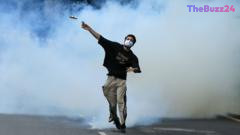
Tens of thousands of young Indians have taken to the streets, clashing with police in Delhi, to protest widespread irregularities in public examinations. This youth-led movement, spearheaded by the Cockroach Janta Party (CJP), has rapidly become one of India’s most significant student mobilizations in years, demanding comprehensive education reforms and the resignation of Education Minister Dharmendra Pradhan.
The CJP movement, born from deep-seated anger over repeated examination paper leaks, gained further momentum with activist Sonam Wangchuk’s 26-day hunger strike. While Wangchuk has ended his fast, student leaders affirm that protests will persist until their demands are met. Unlike many previous large-scale demonstrations against Prime Minister Narendra Modi’s government, which often centered on ideological or community-specific issues, this movement transcends traditional divides. Experts like Yamini Aiyar of Brown University and Rahul Verma of the Centre for Policy Research highlight its unique focus on administrative failure and the state’s inability to ensure fairness in the crucial examination system, which millions view as their primary path to social mobility.
The breadth of this grievance presents a distinct political challenge to the ruling BJP, as many protesters are not traditional political opponents but aspirational young Indians and their families seeking upward mobility. The movement’s impressive online reach, amplified by social media, has successfully translated into significant street presence, indicating a potential tipping point. While the government, through Defence Minister Rajnath Singh and Prime Minister Modi, has acknowledged the concerns and promised swift action against those involved in paper leaks, the effectiveness of these assurances in defusing the protests remains uncertain.
Analysts suggest the protests tap into broader anxieties, including a slowing economy, scarce job opportunities, and a growing sense of disillusionment with long-standing governance. This reflects a demand for a new political discourse focused on accountability and delivery, rather than just electoral legitimacy. The ultimate trajectory of the CJP movement, whether it becomes a sustained political force or a temporary outlet for public anger, will largely depend on the government’s response and the movement’s ability to maintain its broad, non-ideological appeal.
Key Takeaways
- Massive youth-led protests, organized by the Cockroach Janta Party (CJP), have erupted across India due to widespread irregularities and paper leaks in public examinations.
- The movement is unique in its focus on administrative and governance failures rather than ideology, attracting broad support across caste, class, and gender lines.
- These protests reflect deeper societal anxieties among young Indians regarding economic dissatisfaction, job scarcity, and a demand for greater government accountability and education reform.
Editor’s Analysis & Impact
The ongoing youth protests in India, sparked by examination irregularities, signify a critical juncture for the nation’s political and social landscape. This movement’s focus on governance failure rather than ideological divides could reshape public discourse, challenging the ruling party’s narrative of strong administration. For the education sector, it underscores an urgent need for systemic reforms to restore trust and ensure equitable opportunities. Economically, the protests highlight widespread youth disillusionment stemming from job scarcity and a slowing economy, potentially impacting consumer confidence and investment if not addressed effectively. The government’s response will be crucial; a failure to genuinely engage could escalate social unrest and foster new forms of political opposition, signaling a shift towards non-electoral avenues for democratic accountability.
Frequently Asked Questions
Q: What is the Cockroach Janta Party (CJP)?
A: The Cockroach Janta Party (CJP) is a youth-led movement in India that emerged from widespread anger over repeated examination paper leaks and irregularities in public examinations. It advocates for education reforms and greater government accountability.
Q: What are the main demands of the CJP movement?
A: The primary demands of the CJP movement include comprehensive education reforms to ensure fairness and transparency in the examination system, and the resignation of Education Minister Dharmendra Pradhan due to perceived administrative failures.
Q: How has the Indian government responded to these protests?
A: The Indian government has acknowledged the concerns raised by the protesters. Prime Minister Narendra Modi has announced fast-track courts to ensure swift punishment for those involved in paper leaks, and Defence Minister Rajnath Singh has accused the opposition of using students as a political tool while affirming the government's commitment to addressing their concerns.
AI Disclosure: This article is based on verified data and official reports. Our Team and AI have cross-referenced every financial detail with primary sources to ensure total accuracy.
More from this Category