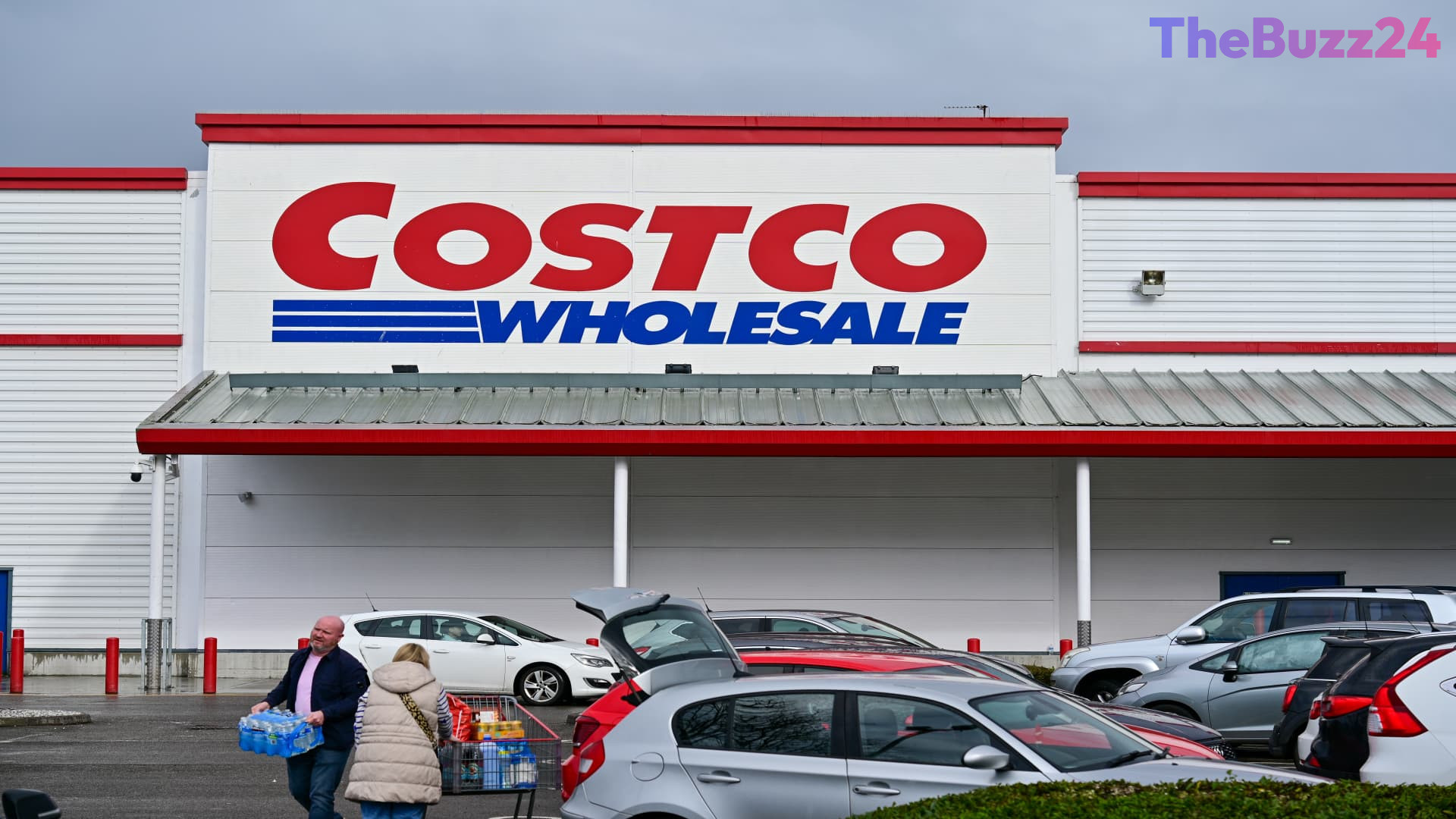
The Strategic Genius Behind Costco’s Low Gas Prices
As global geopolitical tensions drive fuel costs upward, many consumers are flocking to Costco gas stations to mitigate the financial strain at the pump. The retailer has reported record-breaking demand for gasoline, with recent fiscal data indicating that the final weeks of the quarter saw the highest fuel volumes in the company’s history. Despite stagnant national fuel consumption trends, Costco has managed to achieve double-digit growth in gallons sold, underscoring the effectiveness of its pricing strategy.
Research indicates that Costco consistently prices its fuel significantly lower than both local competitors and state averages. However, this aggressive pricing is not merely a service to members; it is a calculated retail tactic designed to drive foot traffic into the warehouse. By offering a tangible, recurring value proposition, the company incentivizes members to visit the store more frequently, which directly correlates with higher overall spending and increased membership renewal rates.
Financial experts note that this approach is a cornerstone of the company’s business model, which relies heavily on membership fees for a substantial portion of its net income. While the savings at the pump are genuine, the strategy is designed to integrate fuel purchases into the broader shopping experience. Financial planners advise consumers to remain disciplined, suggesting that shoppers create a list before visiting to avoid the impulse purchases that often occur once a customer enters the warehouse, which can quickly negate the savings gained from cheaper fuel.
Key Takeaways
- Costco uses low gas prices as a strategic 'loss leader' to drive consistent warehouse foot traffic and boost membership renewals.
- Data shows Costco gas prices consistently undercut local and state averages, fueling record-high demand even as national consumption remains flat.
- Financial experts warn that the convenience of cheap gas often leads to impulse shopping, which can offset the savings gained at the pump.
Editor’s Analysis & Impact
Costco’s fuel strategy serves as a masterclass in ecosystem retention. By positioning gasoline as a high-frequency utility, the company ensures that its members remain tethered to the brand, effectively turning a low-margin commodity into a powerful engine for high-margin membership renewals. This model creates a ‘sticky’ customer base that is less sensitive to broader economic fluctuations. Looking ahead, as fuel prices remain volatile, Costco’s ability to leverage its scale to subsidize gas costs will likely continue to widen the competitive gap between it and traditional retailers. The broader implication for the retail sector is a shift toward ‘membership-first’ models, where the primary value proposition is not just the product itself, but the exclusive access and perceived savings that keep the consumer within a closed-loop shopping environment.
Frequently Asked Questions
Q: Why does Costco sell gas at such low prices?
A: Costco uses low gas prices to drive traffic to its warehouses. The goal is to encourage members to shop inside the store, which increases overall sales and improves the likelihood of membership renewals.
Q: Does buying gas at Costco actually save money?
A: Yes, Costco gas is typically priced significantly lower than local and state averages. However, financial experts warn that if the trip leads to unplanned impulse purchases inside the warehouse, the total savings can be quickly offset.
AI Disclosure: This article is based on verified data and official reports. Our Team and AI have cross-referenced every financial detail with primary sources to ensure total accuracy.
More from this Category