Catastrophic Wildfires Force Mass Evacuations Across Spain and France
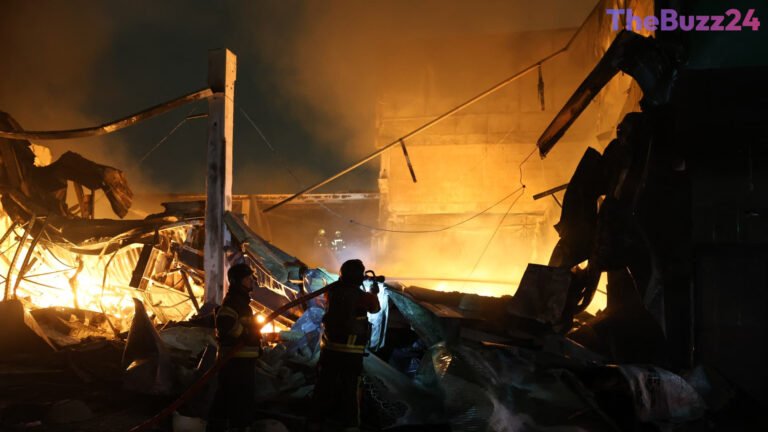
A combination of relentless heatwaves, prolonged drought, and strong winds has created unprecedented wildfire conditions across southern Europe, forcing more than 140,000 residents and tourists to evacuate in Spain and France. Officials in Madrid declared a national emergency after multiple blazes west of the capital merged into an unmanageable wall of fire, which local emergency management described as exceeding the containment capacity of ground crews.
In the Madrid region alone, tens of thousands of people have been displaced or placed under strict lockdowns as embers travel miles through the air, causing the fire to leap across vast distances. The Military Emergency Unit has been deployed alongside local firefighters to establish defensive perimeters and protect heavily populated municipalities. Meanwhile, authorities in neighboring Ávila province are working desperately to prevent separate major blazes from combining into an even larger catastrophe.
Across the border in south-west France, the situation is equally dire, with massive forest fires ravaging the Gironde and Landes regions. Local authorities characterized the blazes as catastrophic ‘XXL’ fires that have already consumed tens of thousands of hectares of forest and destroyed numerous residential structures. The entire Cap Ferret peninsula was evacuated, with hundreds fleeing by boat to escape advancing flames. French leadership mobilized the military and activated the European Union’s civil protection mechanism, securing international aerial reinforcements to combat the relentless spread.
Environmental scientists and emergency officials point to severe climate trends as the primary catalyst behind the intensity of these disasters. Europe continues to heat at rates significantly higher than the global average, creating tinderbox conditions that render traditional firefighting strategies ineffective. As governments coordinate cross-border responses and scramble to protect vulnerable towns, the crisis underscores the escalating threat that extreme weather poses to communities throughout the continent.
Key Takeaways
- Over 140,000 people have been evacuated across Spain and France due to fast-moving, merging wildfires.
- Spain declared a national emergency as blazes near Madrid overwhelmed local firefighting capacities.
- France mobilized military personnel and requested EU aerial assistance to combat massive forest fires in the Gironde and Landes regions.
Editor’s Analysis & Impact
The unprecedented severity of the wildfires sweeping through Spain and France highlights a critical escalation in climate-induced disasters across southern Europe. As prolonged droughts and record-breaking temperatures become the regional norm, emergency response frameworks are being pushed past their absolute limits. The economic and infrastructural toll on tourism, local agriculture, and forestry will have long-lasting repercussions for the affected regions. Furthermore, this crisis signals an urgent need for European nations to overhaul their climate adaptation strategies, invest heavily in advanced early-warning technologies, and enhance cross-border firefighting resource sharing to mitigate future catastrophic seasons.
Frequently Asked Questions
Q: Why are the current wildfires in Spain and France so difficult to contain?
A: The fires are being fueled by a combination of extreme heatwaves, prolonged drought, and strong winds, creating a 'perfect storm' where dry vegetation allows flames to spread rapidly and jump great distances.
Q: How many people have been evacuated in total?
A: More than 140,000 people have been forced to evacuate their homes and tourist areas across the affected regions of south-west France and areas surrounding Madrid, Spain.
Q: What international help has been deployed to assist local emergency crews?
A: The European Union has activated its civil protection mechanism, deploying firefighting aircraft and helicopters, including specialized support such as Black Hawk helicopters from the Czech Republic and Slovakia.
AI Disclosure: This article is based on verified data and official reports. Our Team and AI have cross-referenced every financial detail with primary sources to ensure total accuracy.
More from this Category