Thea Energy Secures $20 Million Federal Grant to Advance Fusion Reactor Magnet Production
Thea Energy, a prominent player in the fusion power sector, has been awarded a $20 million grant from the Department of Energy’s ARPA-E program. This funding is specifically earmarked to accelerate the manufacturing of the company’s modular high-temperature superconducting (HTS) magnets, a critical component in the quest for commercial fusion energy.
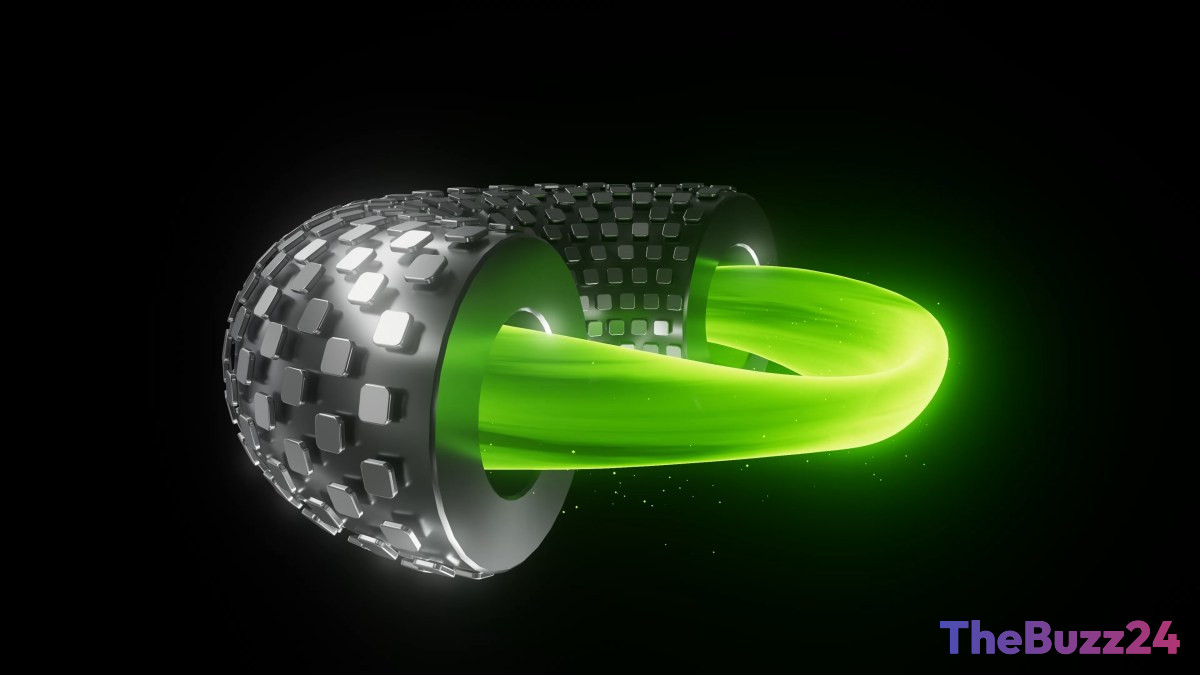
The company utilizes a stellarator reactor design, which employs complex, twisted magnetic fields to confine and compress plasma. While traditional stellarator magnets are notoriously difficult and expensive to produce due to their intricate shapes, Thea Energy is implementing a streamlined manufacturing approach. By utilizing a limited number of magnet templates—specifically four templates for the 12 primary magnets and a single design for over 300 smaller fine-tuning magnets—the company aims to significantly drive down production costs.
This modular approach is further enhanced by software-controlled small magnets, which allow for greater flexibility in construction tolerances. This technological edge could solve one of the most significant hurdles in hard-tech manufacturing: the high cost of precision components.
With this new infusion of federal capital, Thea Energy continues to build on its substantial private funding, which includes $100 million raised in May and a $20 million Series A earlier in 2024. The company remains focused on its long-term objective of deploying a commercial-scale fusion power plant by the mid-2040s.
Key Takeaways
- Thea Energy received a $20 million ARPA-E grant to manufacture HTS magnets.
- The company's stellarator design uses a modular magnet system to reduce manufacturing complexity and costs.
- Thea Energy is targeting the deployment of commercial fusion power plants by the mid-2040s.
Editor’s Analysis & Impact
The $20 million grant awarded to Thea Energy underscores the growing importance of specialized manufacturing in the fusion energy race. While many startups focus on the physics of plasma confinement, Thea is tackling the economic bottleneck: the cost of high-precision components. By simplifying the magnet architecture through modularity and software control, they are addressing the scalability issues that have historically plagued stellarator designs. This move signals a shift in the industry from pure scientific experimentation toward industrial-scale readiness. If Thea can successfully prove that standardized, software-managed magnets can maintain plasma stability, it could provide a blueprint for the entire fusion sector, potentially accelerating the timeline for commercial viability and making fusion a more attractive prospect for long-term infrastructure investment.
Frequently Asked Questions
Q: What is a stellarator?
A: A stellarator is a type of fusion reactor that uses complex, twisted magnetic fields to confine plasma, allowing for controlled nuclear fusion.
Q: Why are magnets so important for fusion?
A: Magnets are essential for creating the powerful magnetic fields required to contain and compress plasma at extreme temperatures without it touching the reactor walls.
Q: When does Thea Energy expect to have a commercial plant?
A: The company is working toward a goal of operating a commercial-scale fusion power plant by the mid-2040s.
AI Disclosure: This article is based on verified data and official reports. Our Team and AI have cross-referenced every financial detail with primary sources to ensure total accuracy.
More from this Category