GOP Launches Digital Ad Blitz Targeting House Democrats Over Tariff Opposition Ahead of Midterms
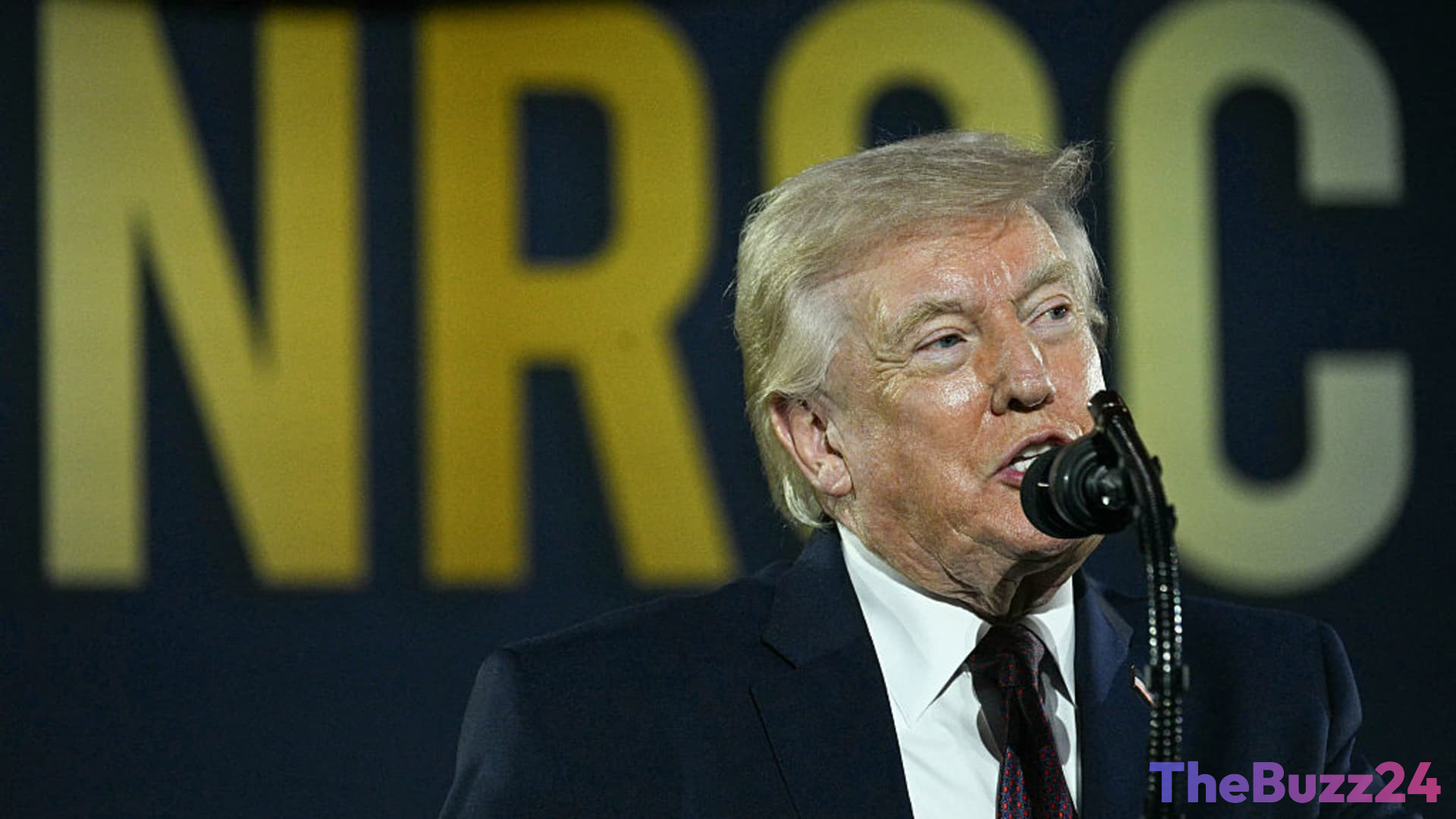
With fewer than 100 days remaining before the crucial 2026 midterm elections, the National Republican Congressional Committee (NRCC) has launched a new digital advertising blitz taking aim at vulnerable House Democrats and candidates in key battleground districts. The campaign targets lawmakers and contenders who oppose President Donald Trump’s aggressive import tariffs, framing their opposition as siding with foreign competitors over domestic industry. The ads are scheduled to run across social media platforms in 15 key congressional districts spanning states such as California, Michigan, Ohio, Pennsylvania, Nevada, Maine, and Missouri.
The NRCC’s digital messaging prominently features slogans like “China first. America last,” seeking to connect Democratic criticism of trade levies with a lack of support for American workers. Representatives from the Republican campaign arm argue that lawmakers faced a stark choice between defending domestic labor or aligning with Beijing. However, targeted Democrats and campaign representatives have pushed back firmly against these characterizations. Democratic strategists and lawmakers argue that broad-brush tariffs act as an indirect tax on American households, elevating consumer costs and placing severe burdens on local agricultural producers and manufacturers.
Trump’s trade doctrine remains a centerpiece of his economic platform, featuring newly announced tariffs ranging between 10% and 12.5% on dozens of international trading partners, including China and European Union members. While the White House maintains that protective trade levies incentivize domestic manufacturing and level the playing field, public reception remains sharply divided. Economic surveys indicate growing voter frustration over persistent inflation and elevated consumer prices, with polls showing a significant majority of Americans attributing higher living costs directly to broad tariff policies.
Despite political friction and mixed reviews from economic analysts, certain domestic industry groups have voiced strong approval for protective trade measures. Organizations representing American manufacturers contend that tariffs are vital to shielding domestic producers from unfair foreign competition. As both major political parties struggle for control of the House of Representatives, the debate over trade policy, consumer inflation, and international commerce is set to play a decisive role in shaping voter choices at the ballot box this autumn.
Key Takeaways
- The NRCC has launched a targeted digital ad campaign across 15 battleground districts framing Democratic opposition to tariffs as detrimental to American workers.
- Democrats counter that broad import tariffs act as an extra tax on consumers, driving up inflation and harming domestic agriculture and manufacturing.
- Public opinion on trade duties remains heavily polarized, with polling indicating widespread voter concern over tariff-driven price increases ahead of the 2026 midterms.
Editor’s Analysis & Impact
The NRCC’s strategic emphasis on trade policy highlights a calculated political gamble ahead of the 2026 midterms. By reframing tariff opposition as soft on foreign adversaries like China, Republicans aim to solidify support among blue-collar working-class voters in industrial battleground districts. However, this strategy carries significant economic risk given the broader macroeconomic backdrop. Persistent consumer inflation and rising price levels have made voters highly sensitive to policies perceived as increasing daily living costs. While protected manufacturing sectors favor robust import duties, broad-based tariffs often trigger retaliatory measures against U.S. agricultural exports and elevate supply chain expenses for domestic businesses. Ultimately, the political success of this ad offensive will depend on whether swing voters prioritize domestic trade protectionism or immediate cost-of-living relief when casting their ballots.
Frequently Asked Questions
Q: Why is the NRCC targeting Democrats over tariffs in digital ads?
A: The NRCC aims to frame Democratic opposition to President Trump's tariffs as unsupportive of domestic workers and lenient toward foreign competitors like Beijing across key battleground districts.
Q: How are targeted Democrats responding to the ad campaign?
A: Democrats argue that broad tariffs function as a price-hiking tax on American families, increasing consumer inflation and triggering retaliatory duties that harm farmers and local industries.
Q: What recent tariff actions have been announced by the administration?
A: The White House recently introduced new import duties between 10% and 12.5% on 60 trade partners, including China, citing labor standard violations and efforts to protect U.S. businesses.
AI Disclosure: This article is based on verified data and official reports. Our Team and AI have cross-referenced every financial detail with primary sources to ensure total accuracy.
More from this Category