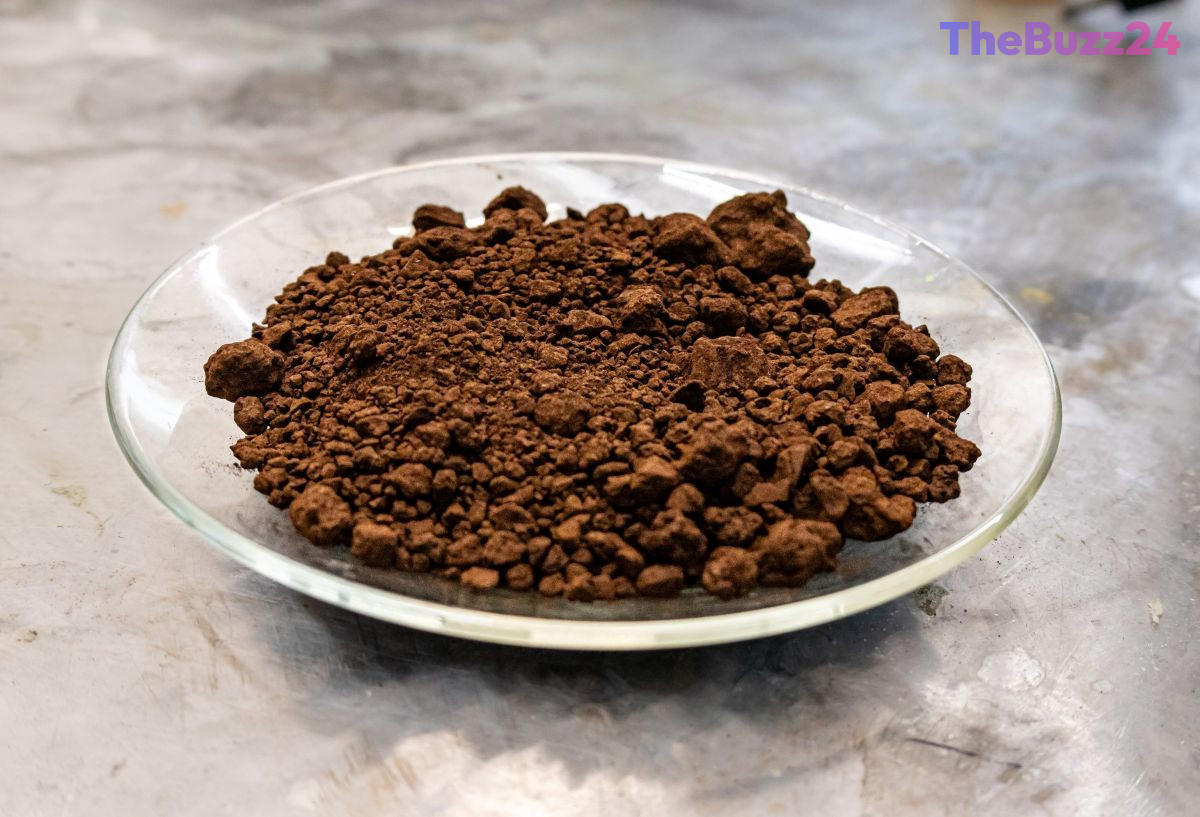
Turning Industrial Waste into Gold: Fast Metals Secures Funding to Extract Critical Minerals
The global aluminum industry currently faces a massive environmental challenge, with over 3 billion tons of ‘red mud’—a caustic byproduct of the refining process—stored in open-air facilities. However, a startup named Fast Metals is aiming to transform this liability into a lucrative resource. By utilizing a proprietary chemical process, the company is developing a method to extract valuable minerals, including titanium, aluminum, and rare-earth elements, from the waste stream.
Fast Metals recently secured $4.3 million in pre-seed funding, backed by investors such as New Climate Ventures, Azolla Ventures, Astor Swiss, and the Founders Factory accelerator. The core of the company’s innovation lies in a multi-step chemical treatment that incorporates a secondary waste stream from alumina refineries to make the extraction process economically viable. According to CEO Sumedh Gostu, the iron content within the red mud covers operational expenses, while the recovery of high-value minerals like scandium oxide provides significant profit margins.
The technology, which originated from research conducted at the Colorado School of Mines, is now moving toward commercialization. Fast Metals has entered into a contract with mineral processor Metalox to begin treating one ton of red mud and refinery waste per week. This pilot phase marks a critical step in proving that industrial waste can be repurposed to secure a domestic supply of essential materials needed for modern technology and manufacturing.
Key Takeaways
- Fast Metals raised $4.3 million to scale a process that extracts critical minerals from aluminum refinery waste.
- The company uses a secondary waste stream to make the separation of iron and rare-earth elements economically feasible.
- A commercial pilot program with Metalox is scheduled to begin later this year, processing one ton of waste per week.
Editor’s Analysis & Impact
The approach taken by Fast Metals represents a growing trend in the circular economy, where industrial byproducts are viewed as ‘urban mines’ rather than environmental hazards. By addressing the high cost of mineral separation, the company is tackling a long-standing bottleneck in the mining and refining sector. If successful at scale, this technology could significantly reduce the environmental footprint of aluminum production while simultaneously creating a new, sustainable supply chain for critical minerals like scandium and titanium. The broader implication is a shift toward ‘waste-to-value’ business models that align profitability with environmental remediation. As global demand for rare-earth elements continues to rise, companies that can efficiently harvest these materials from existing waste stockpiles will likely gain a significant competitive advantage in the global market.
Frequently Asked Questions
Q: What is red mud and why is it a problem?
A: Red mud is a caustic waste byproduct of the aluminum refining process. It is currently stored in massive open-air ponds, posing significant environmental and storage challenges for the industry.
Q: How does Fast Metals make the extraction process profitable?
A: The company uses a secondary waste stream from refineries to lower the cost of chemical processing. The iron recovered from the red mud covers the operational costs, allowing the sale of other extracted minerals, such as titanium and scandium, to generate profit.
AI Disclosure: This article is based on verified data and official reports. Our Team and AI have cross-referenced every financial detail with primary sources to ensure total accuracy.
More from this Category