Deadly Wildfires Ravage Southern Europe as Heatwaves Intensify
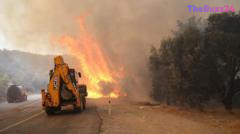
A series of catastrophic wildfires has swept across southern Europe, resulting in tragic loss of life and widespread destruction. In Greece, two firefighters lost their lives while battling an intense blaze near Rethymno on the island of Crete. The fire, fueled by gale-force winds, forced the evacuation of multiple villages as flames stretched across a 15-kilometer front. Additional fires have been reported across other Greek regions, including the islands of Lesbos and Paros, as well as the mainland.
Spain is currently grappling with its largest recorded wildfire in history, located in the Ávila province. While authorities have allowed thousands of residents in the Madrid and Toledo regions to return to their homes, the situation remains precarious. Prime Minister Pedro Sánchez has described the current period as decisive, noting that while progress is being made, extreme temperatures and low humidity continue to pose a significant risk of re-ignition. Meanwhile, in France, officials are maintaining high alert levels in the Gironde region, where fires threaten critical infrastructure, including facilities associated with the defense and aerospace sectors.
Across the Mediterranean, the impact is equally severe. Turkey has faced highway closures and hospital evacuations due to fires in Muğla province, while Portugal is monitoring active fronts near critical water and gas infrastructure. The recurring nature of these disasters has been linked to the rapid warming of the European continent, which is heating at twice the global average. As heatwaves become more frequent and intense, the strain on emergency services and local resources continues to mount, leaving communities struggling to recover from the economic and personal devastation left in the wake of the flames.
Key Takeaways
- Two firefighters died in Crete while attempting to contain a massive wildfire driven by high winds.
- Spain is battling its largest wildfire on record in the Ávila province, with over 200,000 hectares burned nationwide this year.
- Europe is warming twice as fast as the global average, leading to more frequent and intense heatwaves and wildfire conditions.
Editor’s Analysis & Impact
The current wildfire crisis across Southern Europe serves as a stark indicator of the escalating climate risks facing the continent. The economic and logistical burden on nations like Spain, Greece, and France is immense, as they must balance immediate disaster response with the long-term protection of critical infrastructure, including defense and utility sites. The recurring nature of these events suggests that current emergency management frameworks may be insufficient for the ‘new normal’ of extreme heat. Future outlooks indicate that unless there is a significant shift in land management, fire prevention technology, and climate adaptation strategies, the insurance, agricultural, and tourism sectors in these regions will face sustained volatility. The loss of life and property underscores the urgent need for cross-border cooperation in resource allocation and fire suppression tactics to mitigate future catastrophes.
Frequently Asked Questions
Q: Why are wildfires becoming more frequent in Europe?
A: Europe is warming at twice the global average rate, leading to more frequent and intense heatwaves, which dry out vegetation and create ideal conditions for rapid fire spread.
Q: Are residents being allowed to return to their homes in Spain?
A: Yes, authorities have lifted restrictions for thousands of residents in the Madrid, Toledo, and Ávila regions, though officials remain cautious due to the risk of flare-ups.
AI Disclosure: This article is based on verified data and official reports. Our Team and AI have cross-referenced every financial detail with primary sources to ensure total accuracy.
More from this Category