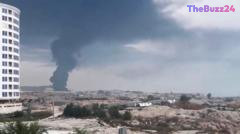
US Military Launches Massive Retaliatory Strikes Against Iranian Targets Following Failed Missile Attacks
The United States military has executed a heavy wave of retaliatory airstrikes targeting numerous installations belonging to the Islamic Revolutionary Guard Corps (IRGC) across Iran. This decisive military action comes directly in response to a failed ballistic missile assault directed at American forces stationed in Jordan, alongside ongoing threats to commercial and military vessels navigating the critical Strait of Hormuz.
According to military officials, the operation lasted approximately one hour and successfully struck dozens of strategic locations, including military command centers, missile and drone storage facilities, coastal defense installations, and maritime infrastructure. While regional defense systems successfully intercepted the incoming hostile projectiles during the initial skirmish, the escalation marks a significant deterioration in hostilities, effectively shattering a brief window of relative calm that had seen tentative diplomatic engagement between Washington and Tehran.
The conflict has continued to widen geographically, drawing in neighboring nations and proxy groups. Recent military actions have expanded to include joint operations targeting Iranian-backed militias in Iraq, drawing swift condemnation from local authorities over national sovereignty concerns. Meanwhile, commercial shipping lanes through the Gulf remain highly volatile, with shipping vessels facing severe disruptions and direct threats. As the blockade on Iranian ports tightens and military exchanges persist, civilian populations in affected regions are grappling with severe infrastructure disruptions, including intermittent power outages and crippled internet connectivity, heightening fears of a prolonged and deeper regional crisis.
Key Takeaways
- The US military launched a heavy wave of airstrikes targeting dozens of IRGC facilities across Iran in retaliation for a failed missile attack on American forces in Jordan.
- The targeted sites included military command centers, missile and drone storage facilities, coastal defenses, and maritime infrastructure.
- The renewed military escalation follows the collapse of a brief ceasefire and diplomatic talks, threatening broader stability across Middle Eastern shipping lanes and neighboring states.
Editor’s Analysis & Impact
The latest escalation between the United States and Iran underscores the extreme fragility of regional stability in the Middle East. With maritime commerce through the Strait of Hormuz facing continuous threats and military actions expanding into neighboring territories like Iraq, global energy markets and supply chains remain highly vulnerable. The breakdown of diplomatic channels and the persistent tit-for-tat military exchanges suggest that de-escalation will be a prolonged challenge. Moving forward, the involvement of regional allies and the ongoing disruption of critical infrastructure indicate that economic impacts—particularly regarding oil prices and regional security expenditures—will likely reverberate globally, demanding vigilant monitoring by international markets and policymakers alike.
Frequently Asked Questions
Q: What triggered the latest wave of US military strikes against Iran?
A: The strikes were launched in direct retaliation for an attempted ballistic missile attack by Iran targeting American forces stationed in Jordan, as well as ongoing threats to shipping in the Strait of Hormuz.
Q: What types of locations were targeted during the US operation?
A: The US military targeted dozens of Islamic Revolutionary Guard Corps (IRGC) assets, including military command centers, missile and drone facilities, coastal surveillance and defense sites, and maritime capabilities.
Q: How has the conflict affected neighboring countries in the region?
A: The conflict has expanded to neighboring areas, resulting in joint strikes against Iranian-backed proxies in Iraq, missile interceptions over Jordan, and drone attacks affecting port infrastructure in Egypt.
AI Disclosure: This article is based on verified data and official reports. Our Team and AI have cross-referenced every financial detail with primary sources to ensure total accuracy.
More from this Category