Federal Reserve Faces Internal Dissent as Inflation Concerns Mount
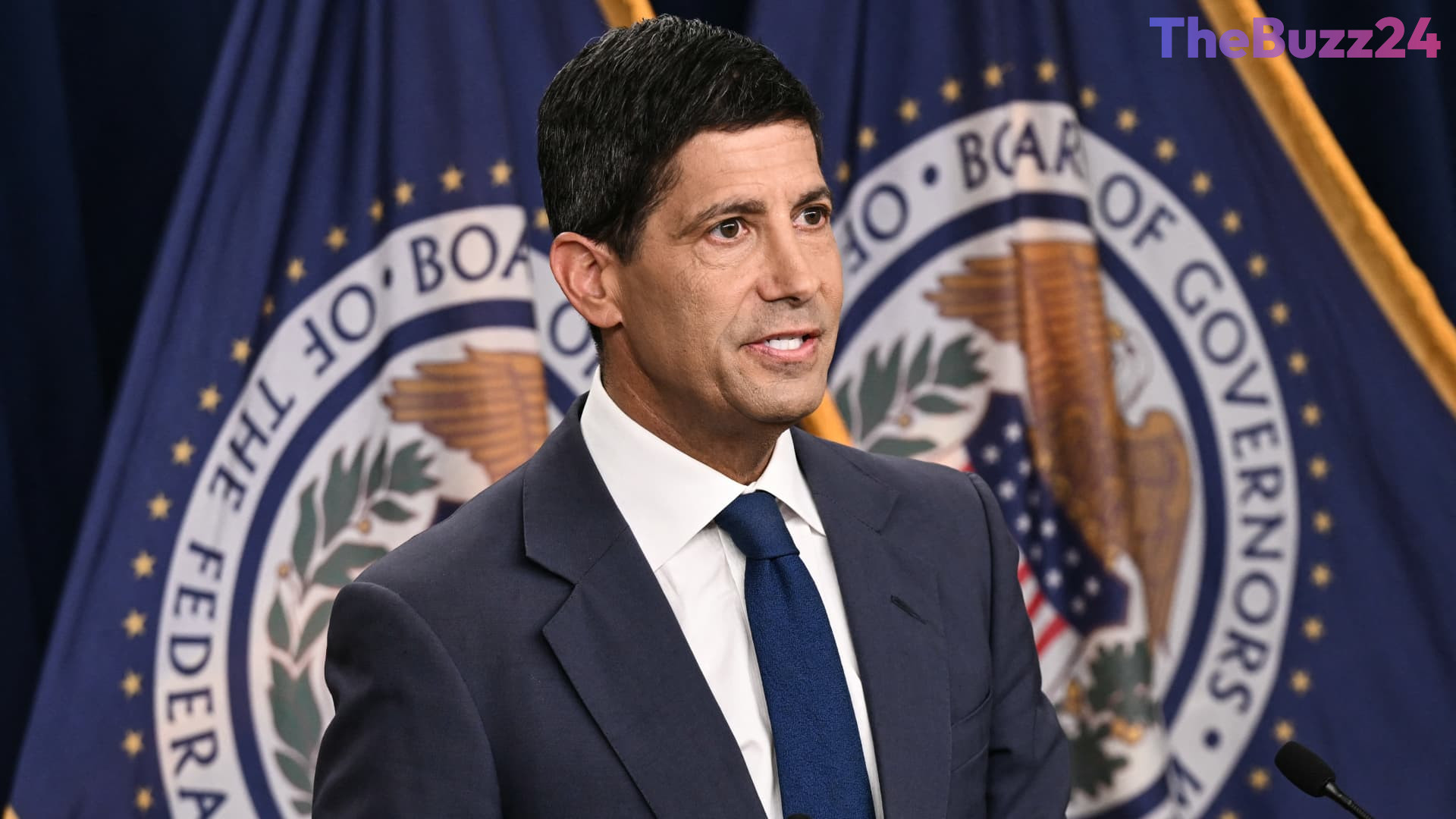
The Federal Reserve maintained interest rates during its latest meeting, opting for stability while Chairman Kevin Warsh navigated a notable increase in internal disagreement. The session was marked by three dissenting votes from regional bank presidents—Lorie Logan, Neel Kashkari, and Beth Hammack—who advocated for a quarter-percentage point rate hike. Warsh characterized the internal debate as a productive “family fight,” emphasizing that the diversity of opinion is a deliberate feature of the current policy-making process.
Despite the chairman’s firm rhetoric regarding the central bank’s commitment to curbing inflation, the broader financial markets reacted with skepticism. While short-term policy-sensitive rates saw a slight decline, long-term Treasury yields surged, with the 30-year bond reaching its highest level since 2007. This market movement suggests that investors are increasingly concerned about the potential for long-term inflationary pressures, effectively challenging the Fed’s current stance and perceived effectiveness in managing future economic stability.
Looking ahead, the central bank provided little clarity regarding potential policy shifts for the upcoming September meeting. Warsh maintained a cautious approach, avoiding specific forward guidance and suggesting that the institution is in a period of transition regarding how it communicates its decision-making framework. As the Fed attempts to balance its inflation-fighting mandate with the realities of an uncertain economic landscape, analysts remain divided on whether the current leadership can successfully navigate the upcoming credibility tests.
Key Takeaways
- Three regional Fed presidents dissented against the decision to hold interest rates, signaling internal friction.
- Long-term Treasury yields hit 2007 highs, indicating market doubt regarding the Fed's long-term inflation control.
- Chairman Kevin Warsh provided no concrete guidance for the September meeting, maintaining a policy of data-dependent ambiguity.
Editor’s Analysis & Impact
The latest Federal Reserve meeting highlights a critical juncture for the central bank under Chairman Kevin Warsh. The surge in dissenting votes from regional presidents suggests a shift toward a more fragmented policy-making environment, which could complicate future consensus-building. More importantly, the bond market’s reaction—specifically the spike in long-term yields—serves as a vote of no confidence in the Fed’s current inflation-fighting narrative. If the Fed continues to offer cryptic guidance while inflation risks persist, it risks a significant credibility gap. The upcoming September meeting will be a pivotal test; the Fed must decide whether to prioritize its new, minimalist communication style or provide the concrete, data-driven roadmap that investors are clearly demanding to stabilize market expectations.
Frequently Asked Questions
Q: Why did the bond market react negatively to the Fed's decision?
A: The bond market, particularly long-term Treasury yields, rose because investors fear that keeping short-term rates steady will fail to curb long-term inflation, leading to higher price pressures down the road.
Q: What is the significance of the dissenting votes at the meeting?
A: The three dissenting votes from regional presidents indicate a lack of consensus within the Federal Open Market Committee regarding the urgency of raising interest rates to combat inflation.
AI Disclosure: This article is based on verified data and official reports. Our Team and AI have cross-referenced every financial detail with primary sources to ensure total accuracy.
More from this Category