Federal Reserve Dissenters Push for Immediate Rate Hikes to Curb Persistent Inflation
A group of Federal Reserve officials has publicly voiced disagreement with the central bank’s recent decision to maintain current interest rates, arguing that immediate action is necessary to combat stubborn inflationary pressures. Cleveland Fed President Beth Hammack and Minneapolis Fed President Neel Kashkari, alongside Dallas Fed President Lorie Logan, have signaled that the current policy stance is insufficient to bring inflation back to the Fed’s 2% target.
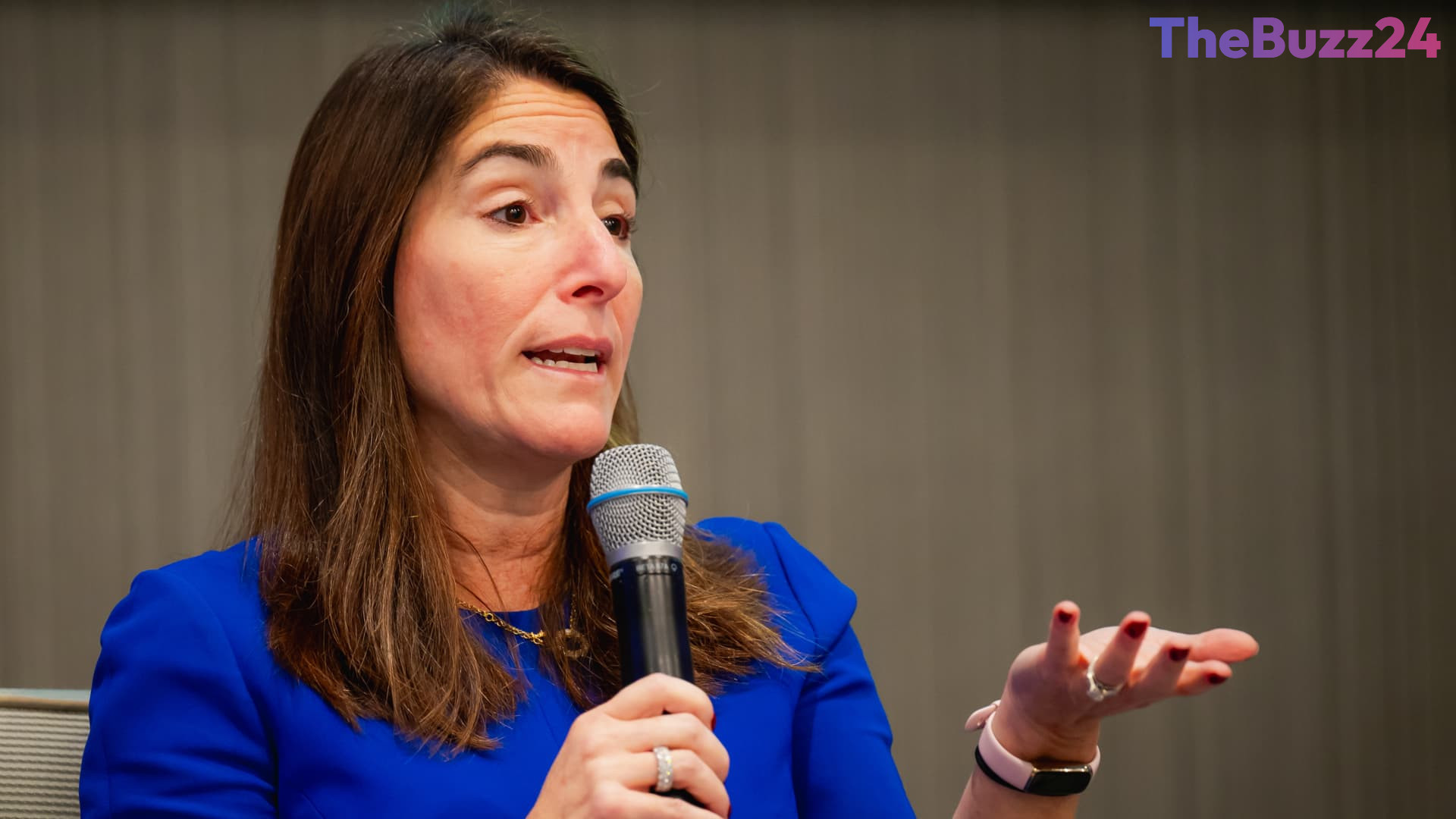
Hammack emphasized that the longer inflation remains elevated, the more difficult and costly it will be to stabilize the economy. She noted that while supply-side factors like energy costs have played a role, demand-side pressures are also contributing to the problem. According to Hammack, reports from her district indicate that pricing pressures are broadening, leading to significant consumer frustration over the sustained cost of living.
Kashkari echoed these concerns, suggesting that a series of small, proactive rate hikes would be preferable to waiting for the situation to worsen, which could necessitate more aggressive and disruptive policy moves later. He argued that monetary policy must play a critical role in preventing inflation from becoming entrenched, even when faced with successive supply shocks. The dissenting officials collectively believe that the current interest rate range of 3.5% to 3.75% is not restrictive enough to restrain the economy effectively.
Despite the dissent, Federal Reserve Chairman Kevin Warsh maintained that the central bank remains committed to its long-term inflation goals. While acknowledging that the path to price stability is complex and cannot be achieved overnight, the leadership remains divided on the urgency of the current approach. As the economy continues to navigate the impacts of global trade policies and energy market volatility, the debate within the Federal Open Market Committee highlights the growing tension between waiting for market stabilization and taking preemptive action.
Key Takeaways
- Three regional Federal Reserve presidents dissented against the decision to hold interest rates steady, advocating for immediate hikes.
- Officials argue that the current policy is not restrictive enough to combat demand-driven inflation and persistent supply shocks.
- There is a growing concern among policymakers that waiting to act will lead to more severe economic consequences and entrenched inflation.
Editor’s Analysis & Impact
The public dissent among Federal Reserve officials signals a significant shift in the internal debate regarding the efficacy of the current ‘wait-and-see’ approach. By advocating for preemptive rate hikes, these officials are signaling a lack of confidence in the economy’s ability to self-correct toward the 2% inflation target. This internal friction suggests that the Fed may be forced to adopt a more hawkish stance in upcoming meetings if inflation data continues to show broad-based price increases. For the broader market, this indicates a period of heightened volatility, as investors must now weigh the possibility of unexpected tightening against the Fed’s official guidance. The focus on ‘entrenched’ inflation suggests that the central bank is increasingly wary of repeating the policy errors of the past, prioritizing long-term stability over short-term economic growth.
Frequently Asked Questions
Q: Why are some Fed officials pushing for interest rate hikes now?
A: Dissenting officials believe the current interest rates are not restrictive enough to curb inflation, arguing that proactive, small hikes are better than waiting and being forced to take more drastic, damaging actions later.
Q: What is the primary concern regarding the current inflation trend?
A: Officials are concerned that inflation is no longer just a result of temporary supply shocks but has become demand-driven and broad-based, threatening to become entrenched in the economy.
AI Disclosure: This article is based on verified data and official reports. Our Team and AI have cross-referenced every financial detail with primary sources to ensure total accuracy.
More from this Category