The End of an Era: Warren Buffett Steps Down as Berkshire Hathaway Chairman
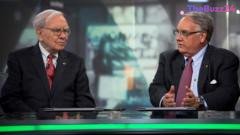
Warren Buffett, the legendary investor known globally as the ‘Oracle of Omaha,’ has officially stepped down as chairman of Berkshire Hathaway. At 96 years old, Buffett is transitioning into the role of chairman emeritus, where he will continue to serve on the company board to provide guidance and perspective. This move marks the final stage of a long-planned succession strategy for the massive conglomerate.
Following the transition, Buffett’s son, Howard Buffett, has assumed the role of chairman. Howard, who has served as a director since 1993, will focus on preserving the firm’s long-standing corporate culture and values. This leadership change follows the earlier appointment of Greg Abel as chief executive officer, who continues to oversee the company’s day-to-day operations, capital allocation, and corporate strategy.
Buffett’s departure from the chairmanship concludes a historic six-decade tenure. Since taking control of the company in 1965—when it was a struggling textile mill—he transformed it into a $1.1 trillion global powerhouse. Today, Berkshire Hathaway holds a diverse portfolio of major brands, including GEICO, Dairy Queen, and BNSF, alongside significant equity stakes in global giants like Apple and Coca-Cola.
In a letter to shareholders, Buffett reflected on his time at the helm, noting that the timing was appropriate for the transition. While he acknowledged that ‘Father Time always wins,’ he expressed that serving as chairman was the privilege of a lifetime. The company has reassured investors that the transition is orderly and that the firm’s fundamental business operations remain stable under the current leadership team.
Key Takeaways
- Warren Buffett has officially stepped down as chairman of Berkshire Hathaway at age 96, moving into an advisory role as chairman emeritus.
- Howard Buffett has taken over as chairman, tasked with maintaining the company's culture, while Greg Abel remains in charge of corporate strategy and operations.
- The transition marks the end of a 60-year era that saw Berkshire Hathaway grow from a textile mill into a $1.1 trillion global conglomerate.
Editor’s Analysis & Impact
The departure of Warren Buffett from the chairmanship of Berkshire Hathaway is a watershed moment for global finance. While the transition has been meticulously planned for years, the psychological impact on the market is significant, as Buffett has long been the face of disciplined ‘value investing.’ The market’s reaction is expected to be muted due to the clear division of labor between Greg Abel and Howard Buffett, which provides continuity. However, the long-term challenge for Berkshire Hathaway will be maintaining its unique corporate culture and the ‘Buffett premium’ in the absence of its founder’s direct oversight. Investors will be watching closely to see if the firm can continue to outperform the broader market without the Oracle of Omaha’s legendary decision-making at the helm.
Frequently Asked Questions
Q: Who is the new chairman of Berkshire Hathaway?
A: Howard Buffett, Warren Buffett's son and a long-time board member, has taken over the role of chairman.
Q: What is Warren Buffett's new role at the company?
A: Warren Buffett has transitioned into the role of chairman emeritus and will remain on the board to offer his judgment and perspective.
AI Disclosure: This article is based on verified data and official reports. Our Team and AI have cross-referenced every financial detail with primary sources to ensure total accuracy.
More from this Category