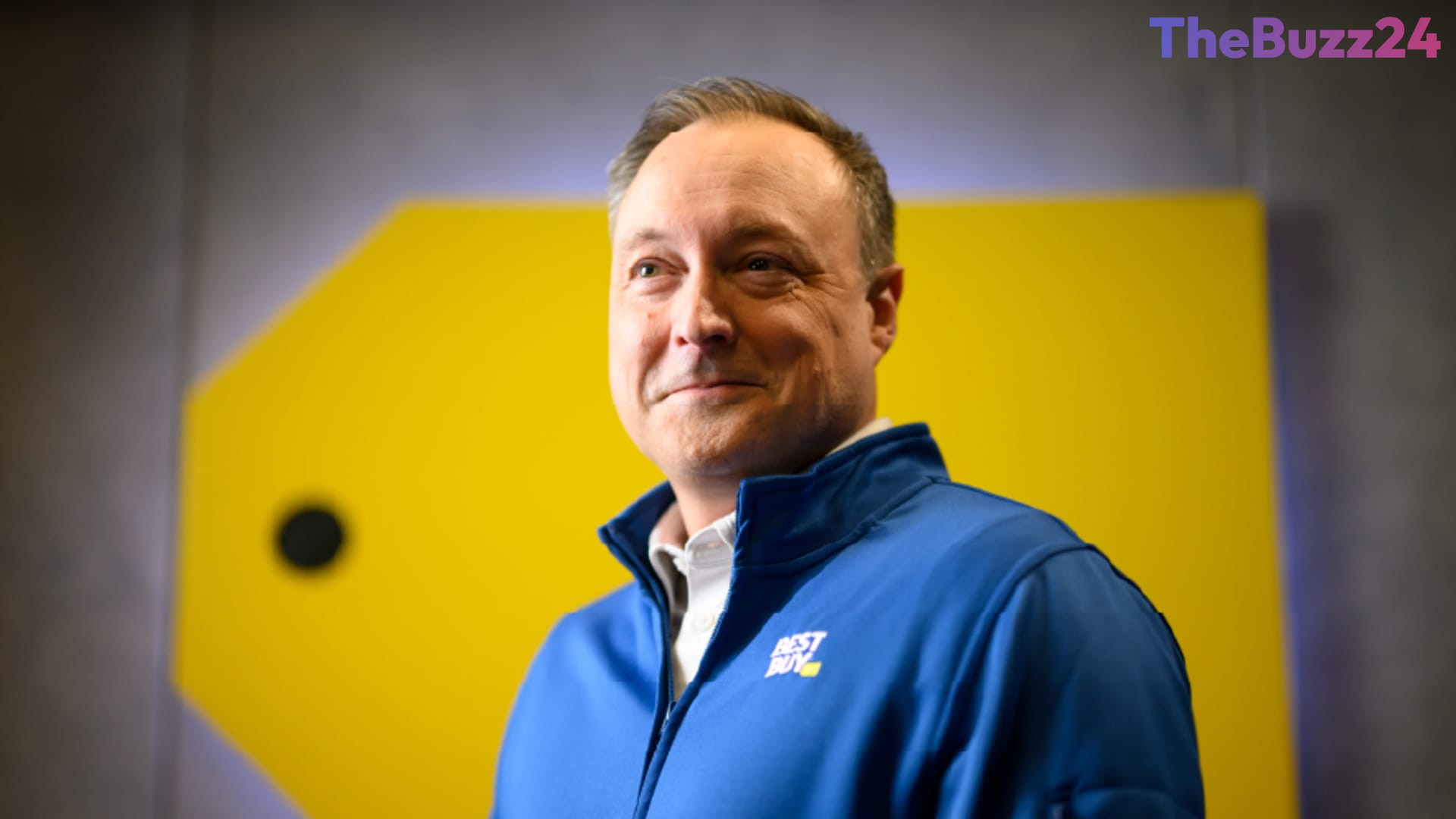
Best Buy’s Incoming CEO Jason Bonfig Outlines Strategy Focused on Small-Format Stores and AI
As incoming Chief Executive Officer Jason Bonfig prepares to assume leadership at Best Buy, the prominent consumer electronics retailer is charting a new course to revitalize performance and drive long-term growth. Facing years of slumping sales influenced by shifting consumer demand, macroeconomic headwinds, and fluctuating technology cycles, the company is betting on a dual approach of physical expansion through compact store footprints and deeper integration of artificial intelligence.
Central to Bonfig’s growth strategy is the deployment of small-format retail locations, ranging from 12,000 to 15,000 square feet. This model allows Best Buy to penetrate regional markets and communities that lack the population density or economic scale to support traditional, larger-format stores. Recent openings, such as a revamped location in Jonesboro, Arkansas, demonstrate how smaller footprints can successfully deliver a comprehensive product selection while simultaneously boosting digital engagement, as physical proximity often drives customers to utilize mobile apps and online shopping channels more frequently.
Beyond physical expansion, the incoming leadership is heavily prioritizing technological modernization. Best Buy is actively exploring ways to leverage artificial intelligence across both corporate operations and customer-facing interfaces, incorporating tools developed through partnerships with major tech entities like OpenAI and Google, alongside stocking cutting-edge hardware like Meta’s smart glasses. Bonfig emphasizes that these technological advancements are designed to augment, rather than replace, the human-centric service model that defines the brand.
Despite recent financial challenges—including a roughly 20% decline in stock value from its 2021 peak and broader supply chain pressures involving component costs—leadership remains optimistic about the foundational strength of the enterprise. By refining store sizes to match specific regional demands and embracing the ongoing AI boom, Best Buy aims to transition from a period of pandemic-era market correction into a sustainable, future-ready retail model.
Key Takeaways
- Incoming CEO Jason Bonfig is prioritizing small-format stores (12,000 to 15,000 square feet) to reach previously untapped regional markets.
- New physical locations have been shown to drive increased customer engagement across both in-store and digital channels.
- The retailer is heavily investing in artificial intelligence tools for both corporate efficiency and customer-facing commerce experiences.
Editor’s Analysis & Impact
Best Buy’s strategic pivot toward smaller retail footprints represents a pragmatic adjustment to changing consumer habits and post-pandemic real estate economics. By reducing store size, the company can lower overhead costs while still maintaining a vital physical presence that online-only competitors cannot easily replicate. Furthermore, the emphasis on AI integration—ranging from customer service agents to partnerships with tech giants—positions the electronics retailer to capture value from the burgeoning agentic commerce trend. However, the success of this turnaround will largely depend on whether these operational adjustments can effectively offset broader macroeconomic pressures, such as rising component costs and consumer caution regarding discretionary tech upgrades.
Frequently Asked Questions
Q: Who is the incoming CEO of Best Buy?
A: Jason Bonfig is set to succeed current CEO Corie Barry in the fall.
Q: What is the purpose of Best Buy's small-format stores?
A: Small-format stores allow Best Buy to expand its reach into vibrant markets that cannot support traditional, larger-format store sizes.
Q: How is Best Buy incorporating artificial intelligence?
A: The company is leveraging AI for corporate operations and customer-facing tools through partnerships with companies like OpenAI and Google, while also selling AI-driven hardware products.
AI Disclosure: This article is based on verified data and official reports. Our Team and AI have cross-referenced every financial detail with primary sources to ensure total accuracy.
More from this Category