Bridging the Generational Divide: Former Labor Secretary and Gen Z Historian Discuss Capitalism and the American Dream
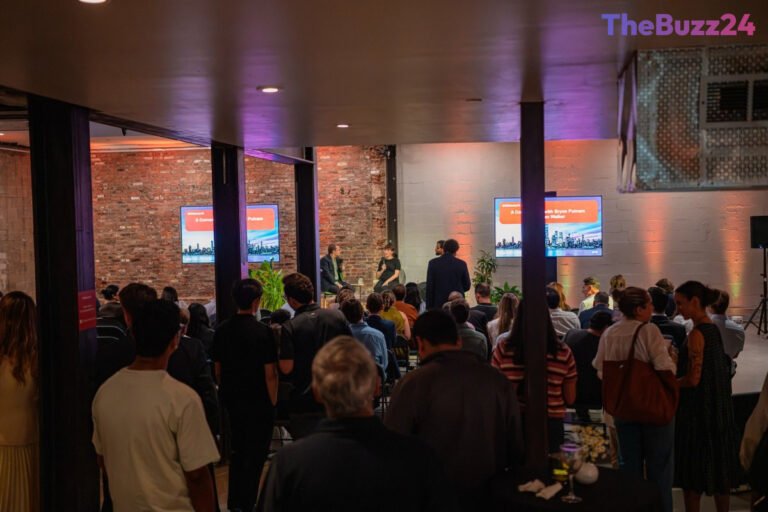
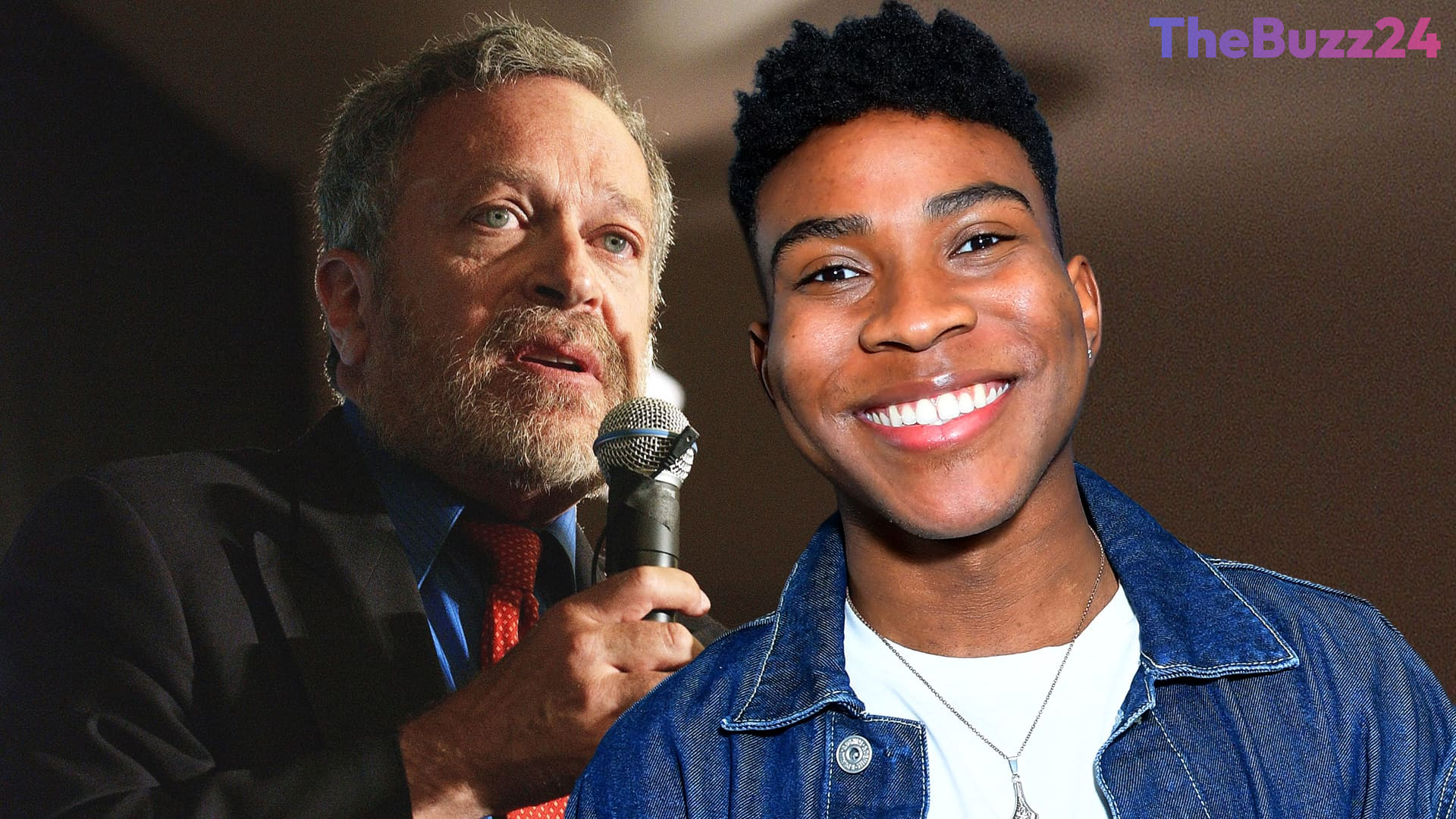
A compelling cross-generational dialogue has brought together former U.S. Labor Secretary Robert Reich and prominent Gen Z historian and content creator Kahlil Greene to discuss the evolving definition of the American Dream, the challenges facing modern capitalism, and the unique societal pressures experienced by different generations today.
During their extensive conversation, both public figures reflected on their personal journeys and the systemic hurdles that prevent many Americans from achieving long-term security. While Reich acknowledged his relative privilege as an early boomer who ultimately found stability, Greene expressed a common sentiment among younger populations—that material success, such as building a business or earning a degree from an elite institution, does not automatically guarantee the psychological and social peace traditionally promised by the American Dream.
The discussion also tackled widespread generational stereotypes, with Greene pushing back against the notion that youth-led activism is merely performative, highlighting instead how constant digital exposure to global crises drives genuine empathy and engagement. In response, Reich countered the stereotype that older generations are entirely out of touch, noting that many seniors continue to work out of necessity rather than choice amidst modern economic strains.
Looking toward the future, both speakers emphasized the critical role of democracy, economic equity, and structural reform in revitalizing the nation. Reich advocated for forward-thinking policies such as universal basic income and modernized reemployment systems to address disruptions caused by artificial intelligence, while Greene stressed the necessity of dismantling outdated career models to better support contemporary freelancers and entrepreneurs. Despite holding contrasting outlooks on immediate national optimism, both leaders underscored the importance of resilience, active civic participation, and avoiding debilitating cynicism.
Key Takeaways
- Robert Reich and Kahlil Greene debated the modern relevance and attainability of the traditional American Dream across generations.
- Greene emphasized that younger generations engage deeply with social movements due to real-time digital exposure to global crises, dismissing the 'performative' stereotype.
- Reich proposed modern policy shifts, including universal basic income and robust reemployment programs, to prepare the labor market for artificial intelligence disruptions.
Editor’s Analysis & Impact
This profound dialogue highlights a critical turning point in modern socioeconomic discourse. As artificial intelligence, shifting labor markets, and stark wealth concentrations reshape the global landscape, the friction between traditional capitalist structures and modern workforce expectations becomes increasingly pronounced. The contrasting viewpoints of Reich and Greene illuminate a broader societal anxiety: while older generations lean on historical resilience to maintain optimism, younger demographics face unprecedented psychological and financial pressures that demand systemic reinvention. Policymakers and industry leaders must recognize that antiquated employment frameworks are no longer sufficient. Moving forward, sustainable economic models will likely require a radical democratization of wealth, agile safety nets, and educational reforms that embrace the burgeoning gig and entrepreneurial economies to restore long-term public trust and social stability.
Frequently Asked Questions
Q: Who participated in this generational discussion?
A: The discussion featured Robert Reich, a professor emeritus at UC Berkeley and former U.S. Labor Secretary, alongside Kahlil Greene, a Gen Z historian, author, and social media content creator.
Q: What are some of the modern policy solutions discussed to address labor market changes?
A: Robert Reich suggested implementing a universal basic income and a reemployment insurance system to help workers easily transition between jobs, especially in light of upcoming disruptions from artificial intelligence.
Q: How do the speakers view the future of the American Dream?
A: Both agree that the traditional post-WWII American Dream has faded and must be rebuilt through genuine democracy, the reduction of extreme wealth concentration, and the decentralization of political and economic power.
AI Disclosure: This article is based on verified data and official reports. Our Team and AI have cross-referenced every financial detail with primary sources to ensure total accuracy.
More from this Category