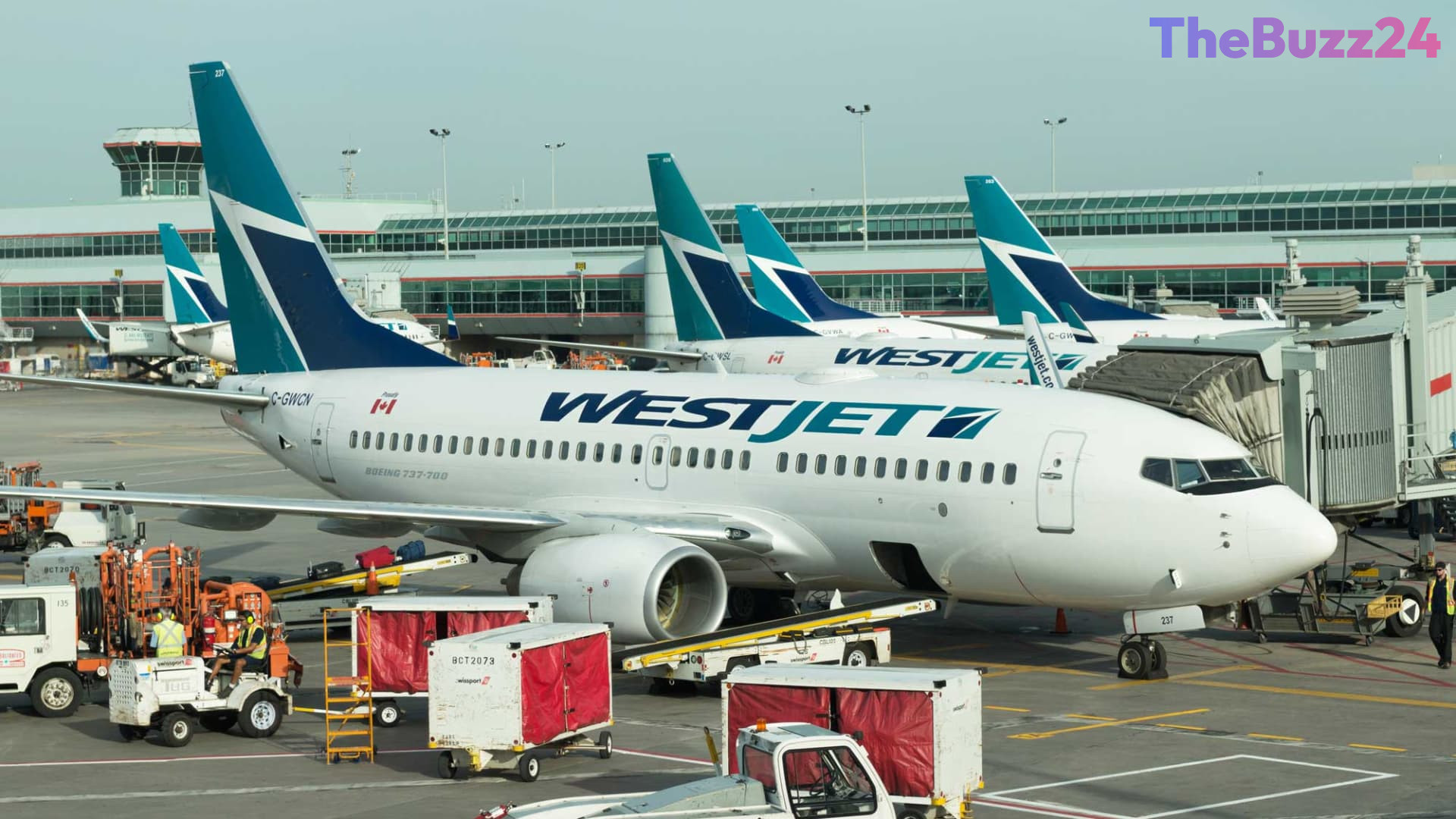
WestJet Flight Attendants Strike, Grounding Hundreds of Flights Amid Pay Dispute
Flight attendants at WestJet, Canada’s second-largest airline, initiated a strike on Sunday after negotiations with the carrier collapsed. The industrial action has led to the grounding of numerous flights during the peak summer travel season, exacerbating challenges for cabin crews across North America who are advocating for changes to the industry’s compensation models.
The work stoppage has significantly disrupted travel plans for an estimated 250,000 passengers over a three-day holiday weekend in Canada, with further disruptions anticipated depending on the duration of the strike. WestJet, which holds a 30% share of the domestic market and operates routes to destinations across the U.S., the Caribbean, Central America, and Europe, had already canceled 615 flights by Sunday morning. The airline is majority-owned by Onex.
The Canadian Union of Public Employees (CUPE), representing 4,400 WestJet flight attendants, is demanding that its members be compensated for all hours worked, from the moment they check in until they clock out, rather than primarily for time when the aircraft is in motion. This mirrors a similar four-day work stoppage last August at rival Air Canada, which also challenged the prevailing airline compensation structures.
Both WestJet and CUPE stated they made last-minute efforts to avert the strike but were unsuccessful. Alia Hussain, president of the union’s WestJet component, emphasized the union’s readiness to return to the bargaining table. WestJet disclosed details of its proposed deal, which included a 13% wage increase this year, followed by 2.5% annual increases through 2029, alongside additional pay equivalent to a 12% salary boost to address concerns about unpaid work. While WestJet has committed to refunding or re-accommodating affected passengers, many travelers have reported difficulties reaching customer service. Canada’s Jobs Minister, Patty Hajdu, expressed disappointment over the impasse, urging both parties to reach an agreement without government intervention, a scenario the union hopes to avoid after the government’s involvement in the Air Canada dispute last year.
Key Takeaways
- WestJet flight attendants initiated a strike after talks failed, leading to significant flight cancellations and disrupting travel for hundreds of thousands of passengers.
- The Canadian Union of Public Employees (CUPE) is demanding compensation for all hours worked, not just flight time, a key issue mirroring previous disputes in the airline industry.
- WestJet offered a substantial wage increase and additional pay for all hours, but the union rejected the proposal, with both sides expressing a willingness to resume negotiations.
Editor’s Analysis & Impact
The WestJet strike highlights a growing tension within the airline industry regarding flight attendant compensation, particularly the issue of unpaid time. This dispute could set a precedent for future labor negotiations across North America, potentially influencing how airlines structure pay for their cabin crews. For WestJet, the strike during the busy summer season will undoubtedly result in significant financial losses from canceled flights, refunds, and reputational damage. The broader implications include potential disruptions to Canada’s travel and tourism sector, and increased pressure on other airlines to re-evaluate their own compensation models to prevent similar industrial actions. A prolonged strike could also impact investor confidence in the airline sector, especially if the dispute escalates or spreads.
Frequently Asked Questions
Q: Why are WestJet flight attendants on strike?
A: Flight attendants are striking primarily over compensation, seeking pay for all hours worked from check-in to clock-out, rather than just for the time their aircraft is in motion. They believe their current pay structure does not adequately compensate them for all their duties.
Q: How many flights have been affected and what should passengers do?
A: As of Sunday morning, 615 flights were canceled, affecting approximately 250,000 travelers. WestJet has stated it will refund or re-accommodate affected passengers. Travelers should attempt to contact WestJet's customer service or check the airline's website for updates on their specific flights and rebooking options, though some have reported difficulties reaching the airline.
Q: What was WestJet's offer to the union?
A: WestJet offered a 13% wage increase in the current year, followed by 2.5% annual increases through 2029. Additionally, the airline proposed an extra 12% salary equivalent in pay for all hours worked, specifically to address the union's concerns regarding unpaid work.
AI Disclosure: This article is based on verified data and official reports. Our Team and AI have cross-referenced every financial detail with primary sources to ensure total accuracy.
More from this Category