Boeing 737 Max 7 Cleared for Takeoff Following FAA Certification
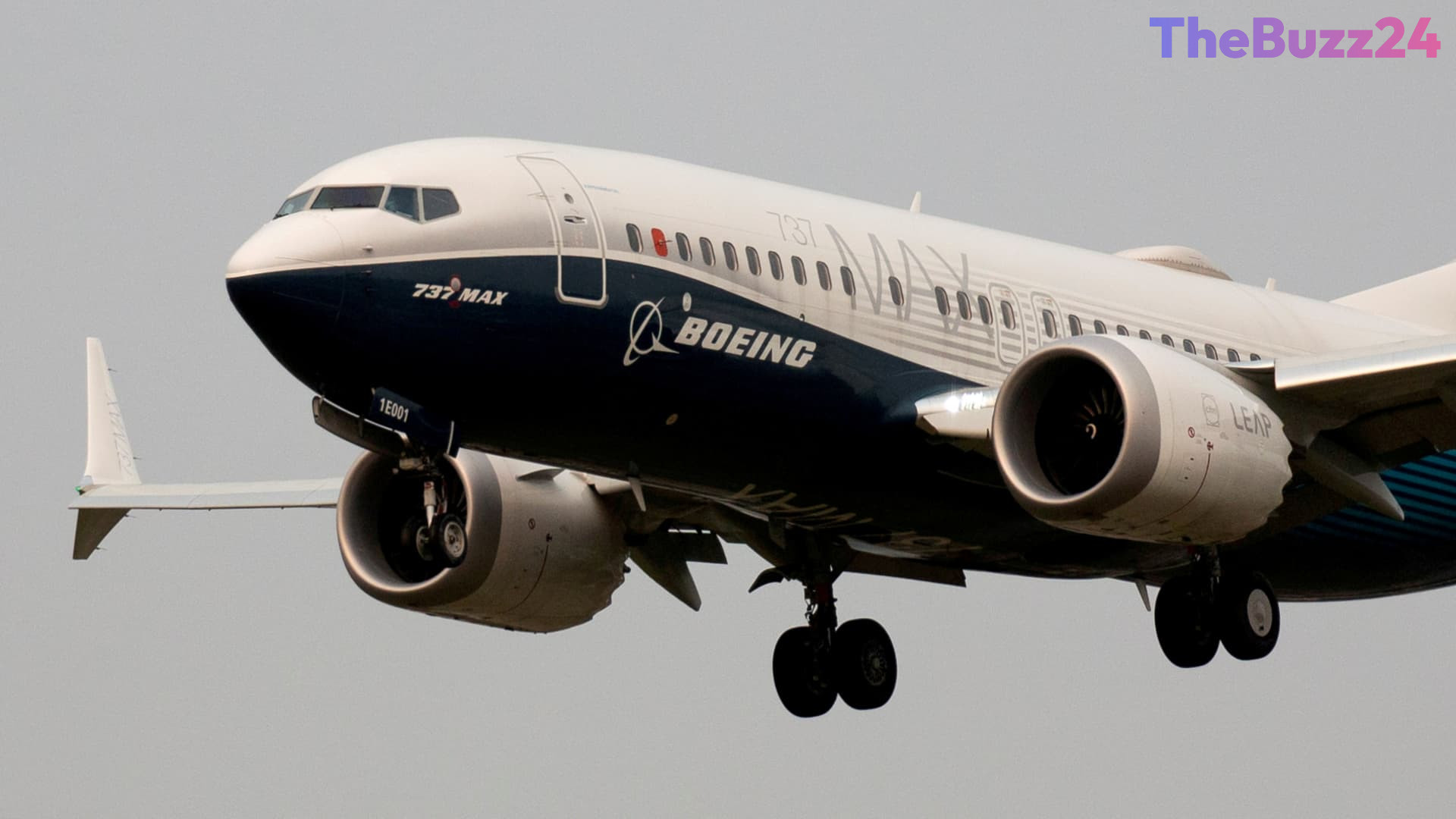
The Federal Aviation Administration (FAA) has officially certified the Boeing 737 Max 7, marking a significant milestone for the aerospace manufacturer after nearly a decade of development hurdles and regulatory scrutiny. As the smallest variant in the 737 Max family, the aircraft’s approval follows an exhaustive review process that included major redesigns of engine anti-icing systems, flight control software, and crew alerting protocols. The certification serves as a critical turning point for Boeing, which has faced intense pressure to restore its reputation and financial stability following a series of safety crises.
For Boeing, the certification is more than a technical achievement; it is a vital step toward unlocking revenue. Under standard industry practices, manufacturers receive the majority of an aircraft’s purchase price only upon delivery to the customer. With approximately 40 units of the Max 7 and Max 10 models already sitting in inventory, the company is now positioned to begin the delivery process, which is expected to provide a much-needed boost to its cash flow. Market reaction was swift, with Boeing shares climbing 8% following the announcement.
Despite the clearance, the path to commercial service remains gradual. Airlines, such as Southwest Airlines, which holds a significant portion of the existing Max 7 inventory, must still integrate the aircraft into their operational schedules and complete cabin configurations, including the installation of new seating. While the FAA has cleared the Max 7, Boeing continues to navigate the certification process for the larger 737 Max 10 and the 777X, both of which remain key components of the company’s long-term recovery strategy and production ramp-up efforts.
Key Takeaways
- The FAA has officially certified the Boeing 737 Max 7 after years of safety-related delays and technical redesigns.
- Certification allows Boeing to begin delivering aircraft currently in inventory, which is essential for the company to collect the bulk of the purchase price and improve cash flow.
- While the Max 7 is now cleared, Boeing still faces ongoing regulatory processes for the larger 737 Max 10 and the 777X models.
Editor’s Analysis & Impact
The certification of the 737 Max 7 is a major psychological and financial win for Boeing, signaling a thaw in the strained relationship between the manufacturer and the FAA. By successfully navigating the rigorous safety requirements imposed after the Max 8 tragedies, Boeing has demonstrated a commitment to addressing systemic design flaws. However, the company is not out of the woods yet. The industry will be watching closely to see how quickly Boeing can ramp up deliveries without compromising quality control, especially as it faces continued scrutiny over its production lines. The financial impact is immediate, as the delivery of parked inventory will help stabilize the balance sheet. Looking ahead, the successful entry of the Max 7 into commercial service will be the ultimate test of public and airline confidence in the platform’s safety and reliability.
Frequently Asked Questions
Q: Why did the certification of the 737 Max 7 take so long?
A: The certification process was extended due to increased regulatory scrutiny following the fatal crashes of the Max 8 in 2018 and 2019, which necessitated comprehensive redesigns of flight control software, engine anti-icing systems, and crew alerting mechanisms.
Q: When will passengers be able to fly on the 737 Max 7?
A: While the plane is now certified, airlines like Southwest must still finalize cabin configurations and integrate the aircraft into their flight schedules. Commercial service is not expected to begin until next year.
AI Disclosure: This article is based on verified data and official reports. Our Team and AI have cross-referenced every financial detail with primary sources to ensure total accuracy.
More from this Category