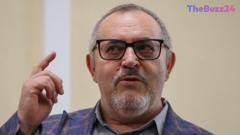
Russian Anti-War Politician Boris Nadezhdin Flees to Paris After Being Labeled ‘Foreign Agent’
Prominent Russian political figure Boris Nadezhdin has officially fled Russia following intense pressure from government authorities and a recent designation as a “foreign agent.” The 63-year-old politician, who previously attempted to challenge President Vladimir Putin on an explicit anti-war platform, confirmed his departure in a video message recorded in Paris. Nadezhdin assured his supporters that he remains safe and free, though he acknowledged the necessity of recalibrating his future political trajectory while residing outside the country.
Nadezhdin’s exile comes shortly after Russia’s Ministry of Justice classified him as a foreign agent, a label that effectively banned him from contesting a seat in the upcoming Duma parliamentary elections. Authorities leveled several accusations against him, including spreading false information regarding the Kremlin and promoting unauthorized public demonstrations. Additionally, Nadezhdin faced legal charges over displaying extremist symbols related to a brief appearance of the late opposition leader Alexei Navalny in a social media repost, charges he dismissed as entirely baseless.
The former presidential hopeful gained widespread attention in early 2024 when he collected thousands of signatures across Russia to challenge Putin, campaigning on promises to halt military hostilities in Ukraine and restore ties with Western nations. However, electoral authorities disqualified his candidacy, alleging high error rates in his submitted petition signatures. This pattern of exclusion has repeatedly barred opposition figures from entering official political contests, solidifying state control over election outcomes.
Nadezhdin’s departure underlines the dwindling space for political dissent inside Russia, where key opposition leaders have been imprisoned, forced into exile, or met untimely deaths. Reflecting on the state of the nation prior to his exit, Nadezhdin noted that public sentiment is gradually shifting as citizens link everyday economic hardship, inflation, and digital censorship directly to the Kremlin’s current policy directions. Nevertheless, with Putin maintaining a firm grip on governance, systemic political opposition within the country faces near-total suppression.
Key Takeaways
- Former Russian presidential hopeful Boris Nadezhdin has fled Russia for Paris following his designation as a 'foreign agent.'
- The foreign agent classification and additional legal charges effectively barred Nadezhdin from participating in upcoming parliamentary elections.
- Nadezhdin's exit reflects the broader suppression of anti-war dissent and opposition politics within Russia.
Editor’s Analysis & Impact
Boris Nadezhdin’s forced departure highlights the Kremlin’s zero-tolerance policy toward organized political opposition, particularly figures advocating for peace in Ukraine. By utilizing administrative mechanisms like the ‘foreign agent’ designation alongside targeted criminal charges, Russian authorities continue to neutralize potential political challengers well before election cycles begin. This systematic suppression ensures short-term political stability for Vladimir Putin’s regime while effectively dismantling institutional avenues for internal reform. As opposition leadership transitions almost entirely into exile across Western countries, their ability to directly influence domestic policy within Russia remains severely limited. Nevertheless, persistent economic strain and public frustration over government control could present long-term stability challenges for the Kremlin.
Frequently Asked Questions
Q: Why did Boris Nadezhdin flee Russia?
A: Boris Nadezhdin left Russia after being designated a 'foreign agent' by the Ministry of Justice and facing legal charges, which effectively barred him from contesting upcoming domestic elections.
Q: What was Boris Nadezhdin's political platform?
A: Nadezhdin campaigned on an anti-war platform, calling for an immediate end to the military conflict in Ukraine, domestic reform, and the restoration of normal diplomatic relations between Russia and Western countries.
Q: What does the 'foreign agent' designation mean in Russia?
A: The 'foreign agent' label in Russia imposes severe administrative restrictions, heavy financial reporting obligations, and bans on participating in public office or elections, often used by authorities to suppress political opposition.
AI Disclosure: This article is based on verified data and official reports. Our Team and AI have cross-referenced every financial detail with primary sources to ensure total accuracy.
More from this Category